Notre Dame Cathedral Architecture Tour Package | Complete Gothic Design Guide
Notre Dame Cathedral’s architecture stands among the greatest achievements in world history. More than a religious monument, it represents how engineering, art, and faith merged into a single architectural language that shaped Europe for centuries. Every arch, vault, and window was built not only to hold stone but to inspire the human spirit.
In the modern era, people do not simply want to visit Notre Dame. They want to understand it. This is why architecture tour packages, educational models, virtual experiences, and design blueprints have become in high demand. Learning Notre Dame architecture is no longer limited to textbooks or photographs. Today, people can interact with it in multiple formats—from real-world tours to immersive simulations and physical learning products.
This guide explores Notre Dame Cathedral’s architecture from historical foundation to modern restoration, from educational value to commercial learning products, and from cultural impact to buying guidance.
The Foundation of Notre Dame Cathedral Architecture
The Birth of Gothic Design
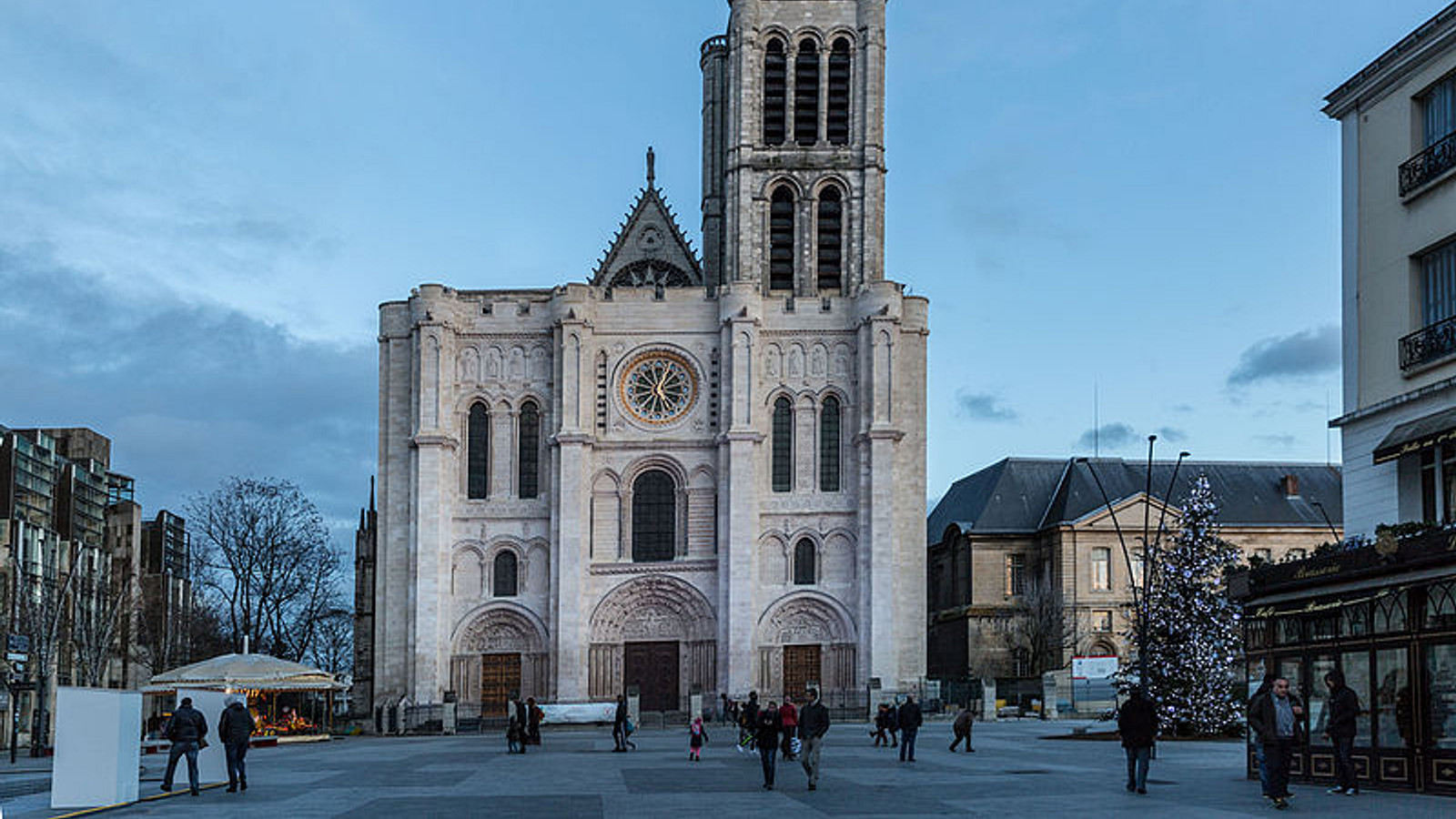
The architectural system of Notre Dame Cathedral emerged in the 12th century, when builders sought a new method to construct taller, brighter churches. Romanesque architecture, characterized by heavy walls and small windows, could no longer support the artistic vision of medieval Europe. People wanted buildings that lifted the soul upward, not structures that felt like stone caves.
Gothic architecture provided the answer. Notre Dame became one of the first buildings to demonstrate how pointed arches could distribute weight more effectively than round ones. This allowed ceilings to rise and walls to become thinner. Buildings were no longer heavy shells; they became skeletal frameworks where form followed function.
Notre Dame served as a model for cathedrals across Europe. The structure introduced architectural concepts that are still studied today in engineering classrooms.
Structural Masterpieces Within the Design
The flying buttresses of Notre Dame are not decoration. They are architectural problem solvers. By transferring thrust outward, they allowed the walls to hold massive stained glass windows without collapsing.
Ribbed vaulting is another breakthrough element. Instead of thick stone ceilings, builders framed vaults like ribs in a body. This strengthened the structure while reducing material weight.
Then there are the rose windows—giant circles of stained glass that flood the interior with controlled color and light. These windows are not just beautiful; they balance pressure across walls and contribute structural integrity.
Notre Dame’s architecture is a lesson in how beauty emerges from engineering.
Restoration and Technology After the Fire
Rebuilding a Global Icon
When fire damaged Notre Dame in 2019, the world witnessed more than destruction. It saw a masterpiece return to life with technology.
Engineers used laser scanning to create a digital twin of the cathedral. Every stone was digitally preserved. Architects studied medieval building techniques to reconstruct exactly what was lost.
Wood experts analyzed centuries-old oak beams using scans and carbon testing. New timber frames were created using identical materials and measurements.
The project was not simply a renovation. It was a historical resurrection.
The Role of Modern Innovation
Today’s Notre Dame includes environmental sensors inside the stonework. These track humidity, movement, and temperature. Artificial intelligence now predicts structural weakness long before visible damage appears.
Digital archiving ensures future generations can rebuild Notre Dame even if disaster strikes again.
Technology has transformed architecture preservation from reaction into prevention.
Educational and Commercial Learning Products
Below are real product-based categories aligned with the Notre Dame Cathedral Architecture Tour Package keyword.
Notre Dame Cathedral Architecture Tour Package
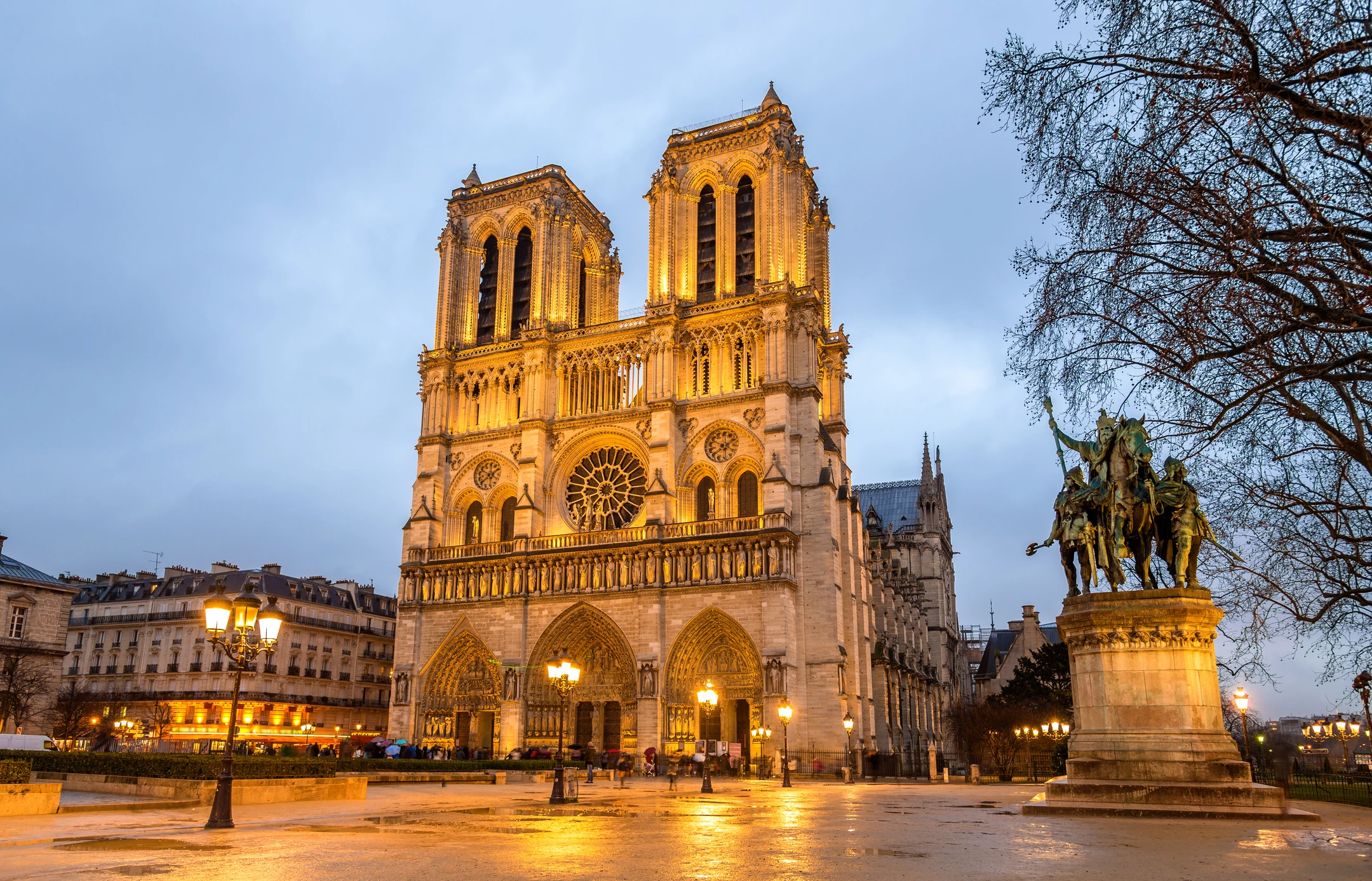
This specialized tour focuses fully on architecture rather than general tourism. Guests receive technical explanations of structural systems, symbolic designs, and construction methods.
Use Case:
Designed for architecture students, designers, and researchers.
Problem Solved:
Standard tours only describe history. This product teaches engineering logic.
Benefit:
Transforms visitors into informed architectural observers.
Why People Buy It:
Because understanding a building makes the visit unforgettable.
How to Buy:
Available via architecture-focused travel services and academic touring providers.
Notre Dame Professional Scale Model
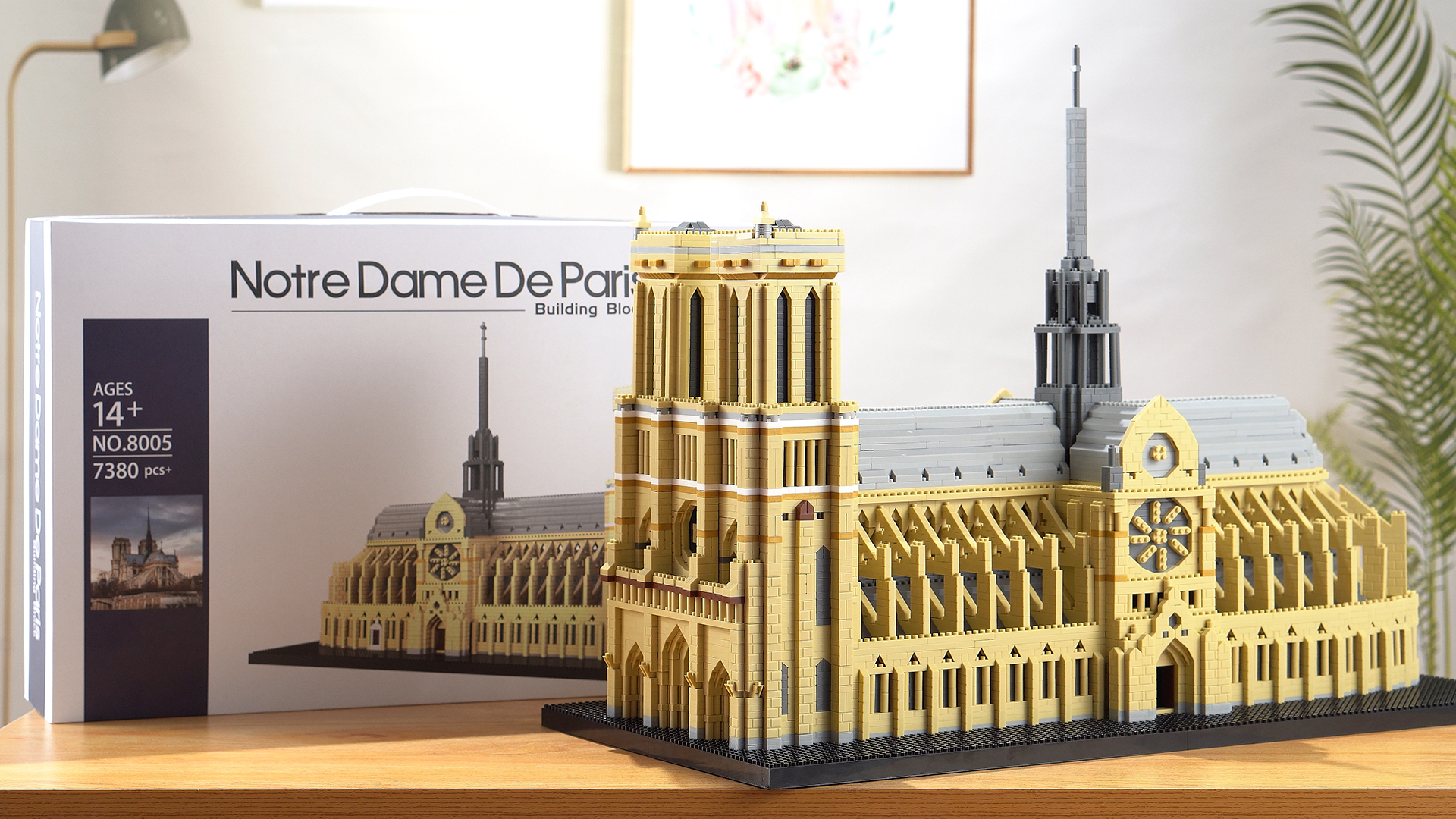
This product provides a museum-level miniature representation built to scale.
Use Case:
Ideal for education, studios, and collectors.
Benefit:
Allows inspection of vaults, arches, and support systems physically.
Why People Need It:
Books cannot fully show spatial relationships.
How to Buy:
Available through architectural supply stores and collector markets.
Notre Dame Structural Blueprint Collection
This product includes detailed drawings based on historical documents and restoration scans.
Use Case:
Essential for architects and educators studying load distribution.
Benefit:
Provides insight into medieval structural mathematics.
Why It Matters:
Blueprints teach logic, not just appearance.
How to Buy:
Available as printed or digital educational formats.
Gothic Cathedral Architecture Documentary
This series focuses on Notre Dame as a case study in Gothic innovation.
Use Case:
Distance learning and independent education.
Benefit:
Combines expert commentary with architectural analysis.
How to Buy:
Available through educational video distributors.
Virtual Reality Notre Dame Architecture Experience
Users explore Notre Dame in multiple historical stages.
Use Case:
Students and museums.
Benefit:
Time-travel learning.
How to Buy:
Available for major VR systems.
Benefits of Studying Notre Dame Architecture
Technical Intelligence
Learning at Notre Dame improves engineering literacy.
It explains how weight flows, how arches breathe, and how buildings speak.
Design Innovation
Modern architecture still borrows Gothic techniques—light control, vertical emphasis, modular support.
Notre Dame is not history; it is design DNA.
Cultural Understanding
Architecture reflects civilization.
Studying Notre Dame reveals medieval philosophy, science, and spirituality.
Why People Invest in Architecture Products
People want:
- deeper understanding
- real experience
- professional advantage
- meaningful travel
- heritage preservation
Architecture learning products deliver all five.
Buying Guidance
Decide Your Purpose
Learning, traveling, teaching, or collecting?
Different needs demand different tools.
Match Product to Goal
Models for visual learning.
Tours for experience.
Blueprints for engineering.
Buy from Specialists
Architecture vendors and academic travel agencies provide authenticity.
Common Problems These Products Solve
Lack of Structural Understanding
Solved by blueprints and models.
Shallow Tourism Experience
Solved by expert architecture tours.
Learning Limitations
Solved by VR and documentaries.
Frequently Asked Questions
Is Notre Dame’s architecture mainly symbolic or structural?
It is both. Form and function are equally important.
Are architecture tour packages expensive?
They vary, but educational value exceeds cost.
Can beginners understand Gothic architecture?
Yes. Products are designed for all levels.