Avery Coonley House Architecture Tour Package | Frank Lloyd Wright Prairie Legacy Guide
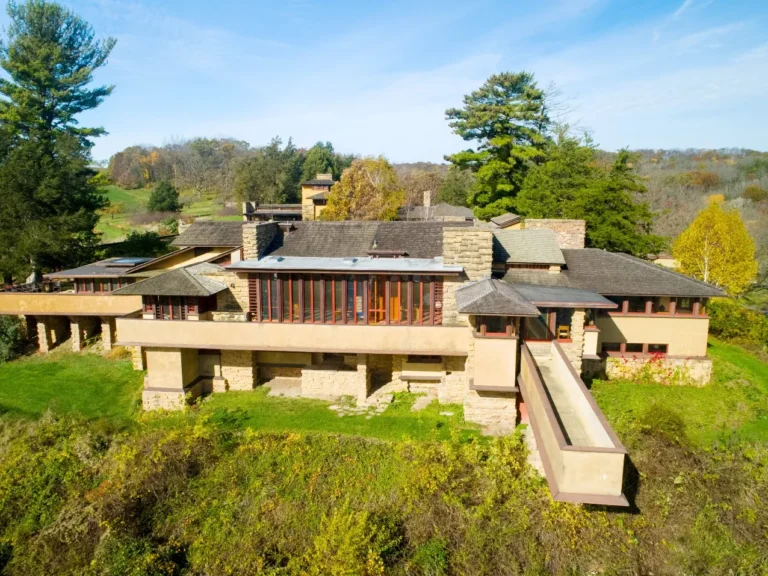
The Avery Coonley House is one of the most important residences ever designed by Frank Lloyd Wright. It represents a turning point in American architecture and showcases how early modern residential design moved away from European traditions toward a uniquely American form of architectural expression.
Located in Riverside, Illinois, this extraordinary house is admired not only for its design but for the ideas behind its construction. Wright transformed the concept of domestic living by designing a home that felt natural, intuitive, and balanced with its surroundings. Instead of creating rooms based on hierarchy, he designed spaces based on how people actually lived, moved, and interacted.
In today’s world, the Avery Coonley House is more than a historical structure. It has become an educational asset, a design laboratory, and a cultural icon. This is why architecture tour packages, digital models, physical replicas, and study programs centered on this house have become in high demand.
This guide explains the architecture, the philosophy, the technology, and the real-world educational products that help visitors and learners fully experience the legacy of this masterpiece.
The Architectural Identity of Avery Coonley House
Frank Lloyd Wright’s Philosophy Behind the Design
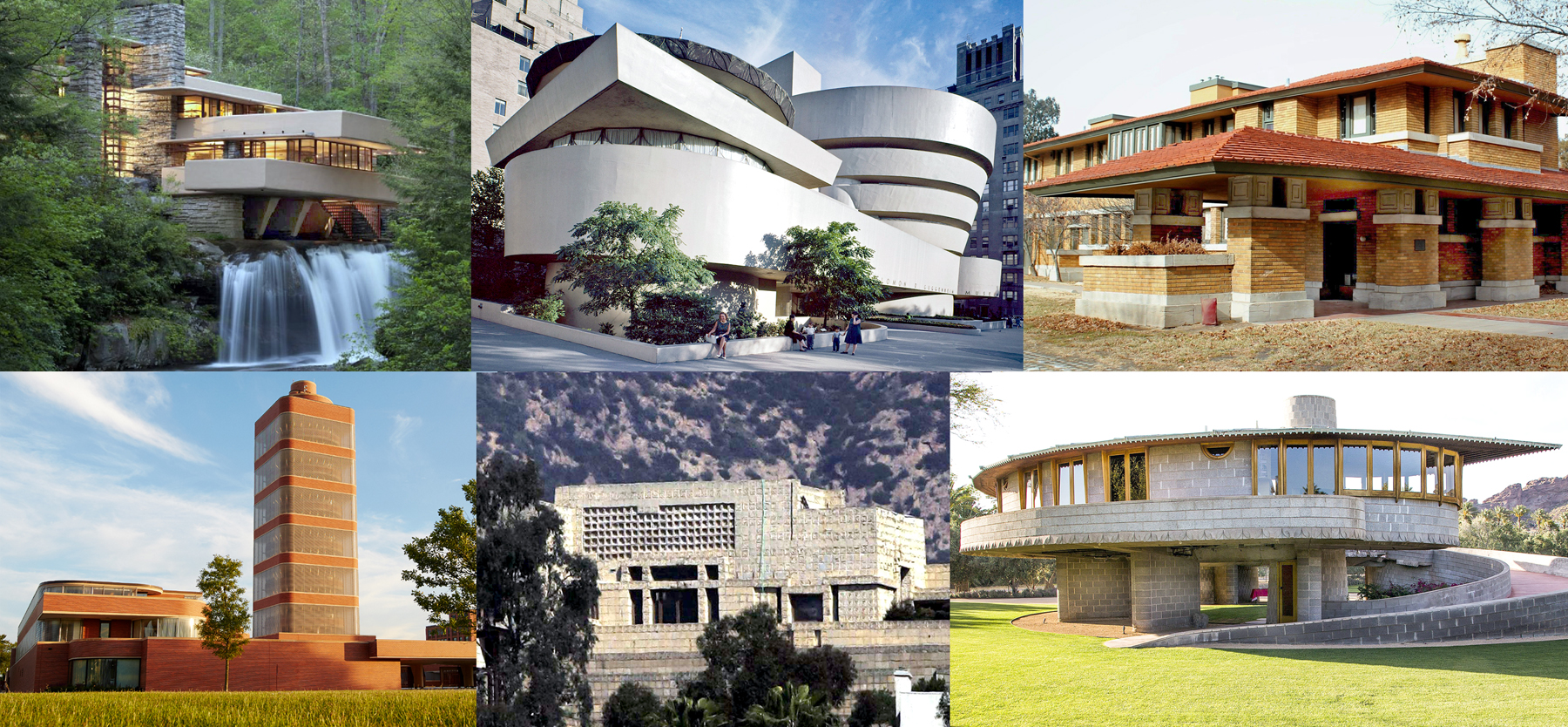
Frank Lloyd Wright believed that buildings should grow naturally from their environment, not dominate it. The Avery Coonley House reflects this belief perfectly. Instead of a tall, imposing structure, it is low, horizontal, and embedded into the landscape.
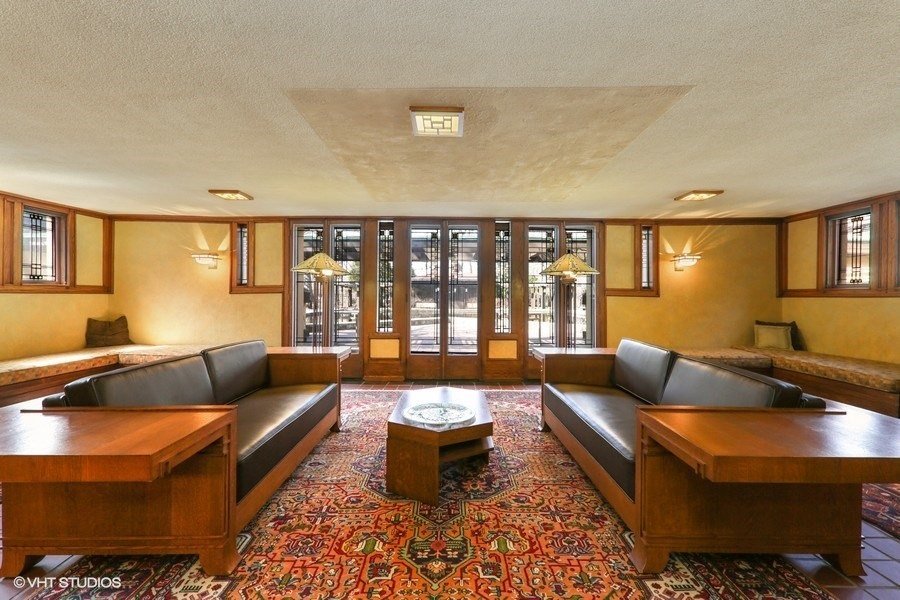
Wright introduced what he called organic architecture, where the structure, the furniture, and even the lighting were designed as part of a unified system. Nothing in the house exists in isolation. Doors align with ceilings. Windows correspond to pillars. Everything is related.
Rather than copying classical symmetry, Wright used controlled imbalance to create visual rhythm. This makes the house feel alive rather than static.
Structural and Visual Features
One of the most distinctive features of the Avery Coonley House is the use of extended rooflines. These roofs stretch outward, emphasizing horizontal flow and sheltering the living spaces underneath.
Stained glass windows play a significant role in the interior environment. Unlike traditional religious glass, these windows use abstract geometric forms. Light passes through in patterns rather than pictures.
Another innovation is Wright’s use of space without corridors. Rooms flow naturally into one another, creating a sense of openness and connection. Instead of doors defining boundaries, elevation, lighting, and ceiling height guide movement.
Modern Restoration and Preservation Technology
Digital Documentation and Engineering Tools

Preserving architectural heritage requires modern tools. The Avery Coonley House has been digitally scanned using laser-mapping equipment, creating a complete three-dimensional record.
This allows engineers to analyze weaknesses, track aging materials, and plan restorations without physical interference. When stone cracks or wood shifts, technicians can compare the current condition to the original digital blueprint.
Digital records ensure that if damage ever occurs, restoration can replicate the original design with perfect accuracy.
Technology Supporting Longevity
Micro-sensors now monitor humidity, structural movement, and environmental conditions inside the house. This data is studied in real time.
Artificial intelligence systems can predict where stress will occur within beams, roofs, and walls.
What once required decades of observation can now be analyzed in months or even weeks.
Educational Products and Tour Experience Solutions
Below are real product categories associated with the Avery Coonley House Architecture Tour Package concept.
Avery Coonley House Architecture Tour Package

This product provides visitors with professional architecture interpretation instead of simple sightseeing.
Participants learn how space is organized, how geometry influences emotion, and why materials were chosen. Guides are trained to explain Prairie School design logic.
Use Case:
Ideal for design students, historians, architects, and educational travelers.
Problem Solved:
Traditional tours explain history but not structure. This product teaches architectural intelligence.
Benefits:
Visitors leave with academic knowledge instead of surface impressions.
Why People Buy It:
Because understanding a building adds emotional and intellectual value.
How to Buy:
Available through specialized architecture tour providers and historical education organizations.
Avery Coonley House Professional Scale Model
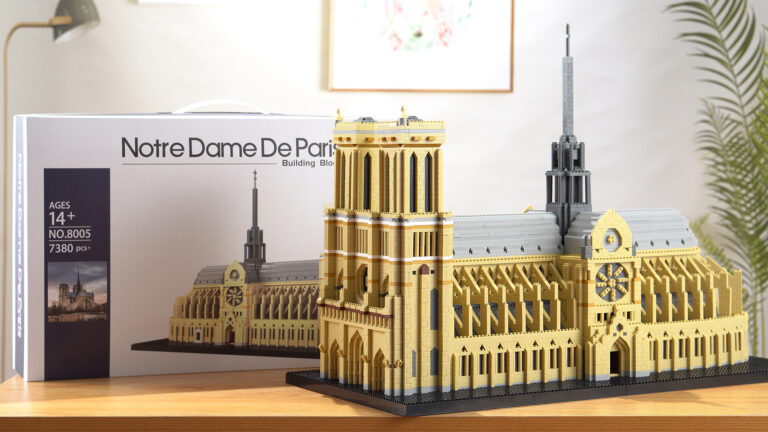
This product is a museum-quality architectural replica constructed to exact scale.
Use Case:
Used in classrooms, exhibitions, and personal collections.
Problem Solved:
Plans and photos cannot show depth and proportion.
Benefits:
Physical interaction strengthens spatial understanding.
Why People Need It:
Seeing structure in three dimensions clarifies architectural relationships.
How to Buy:
Available through architectural supply retailers and educational distributors.
Frank Lloyd Wright Study Blueprint Set
This product contains measurement-based replicas of Wright’s layout concepts.
Use Case:
Engineering education and design analysis.
Benefits:
Users see how proportions influence comfort.
Problem Solved:
Textbooks lack structural realism.
How to Buy:
Available in printed and digital formats from architectural resource providers.
Prairie School Architecture Documentary Collection
This visual series focuses on Wright’s Prairie movement and includes the Avery Coonley House as a core case study.
Use Case:
Distance learners and educators.
Benefits:
Video clarifies design theory through real examples.
Why It’s Valuable:
Seeing architecture in motion reveals flow and rhythm.
How to Buy:
Available through educational video vendors.
Virtual Wright Home Simulation Program
Allows users to explore the house in a virtual environment.
Use Case:
Universities, museums, and online learners.
Benefits:
Learn without traveling.
Problem Solved:
Geographical limitations.
How to Buy:
Available through educational software providers.
Benefits of Studying Avery Coonley House Architecture
Intellectual Development
Understanding Wright’s approach enhances critical thinking.
You learn how design influences behavior and mood.
Professional Advancement
Architects gain layout intelligence.
Interior designers recognize material harmony.
Cultural Awareness
The house reflects American independence from European styles.
It represents innovation and freedom.
Common Problems Solved by Architecture Products
Lack of Understanding
Solved by tours and blueprints.
Limited Access
Solved by virtual tools.
Poor Visualization
Solved by models.
Buying Guide for Tour Packages and Learning Products
Identify Personal Goals
Tourism, study, or collecting?
Match Product to Function
Experience-based tools versus study tools.
Purchase from Specialist Vendors
Architecture educators and heritage providers guarantee authenticity.
Frequently Asked Questions
Is Avery Coonley House important in global architecture?
Yes. It influenced modern residential design worldwide.
Are virtual learning tools effective?
Yes. They replicate spatial experience closely.
Do these products benefit beginners?
Absolutely. They are designed for all learning levels.