Avery Coonley Playhouse Tickets Guide: History, Architecture, Benefits, and Buying Tips
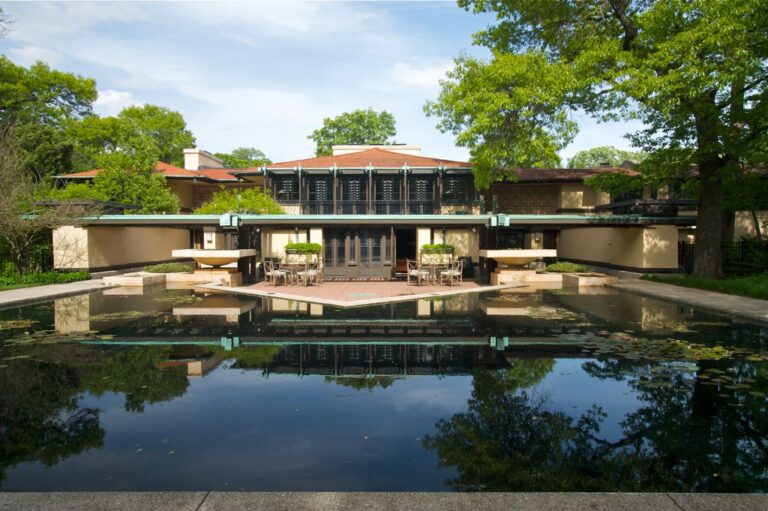
The Avery Coonley Playhouse is widely considered one of the most architecturally significant theater spaces in the United States. Designed by the renowned architect Frank Lloyd Wright, the playhouse is located in Riverside, Illinois, and forms part of the larger Avery Coonley House estate. For visitors, purchasing Avery Coonley Playhouse tickets is not just a way to attend a performance—it is an opportunity to walk into American architectural history.
Unlike commercial theaters built for mass audiences, the Avery Coonley Playhouse feels private, carefully crafted, and emotionally intimate. Every line, window, ceiling panel, and lighting element was designed to guide emotion, acoustics, and attention naturally. Visitors often describe the experience as stepping into a living museum, where every performance feels personal.
This guide explains everything you need to know about Avery Coonley Playhouse tickets—from architectural background and cultural importance to benefits, real booking services, and how to make the right buying decision.
Architectural History of the Avery Coonley Playhouse

The Frank Lloyd Wright Design Approach
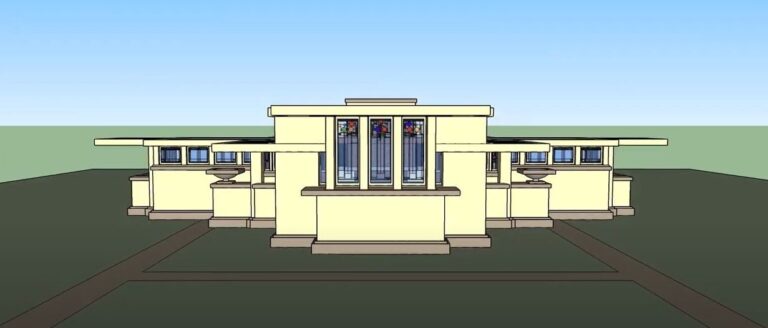
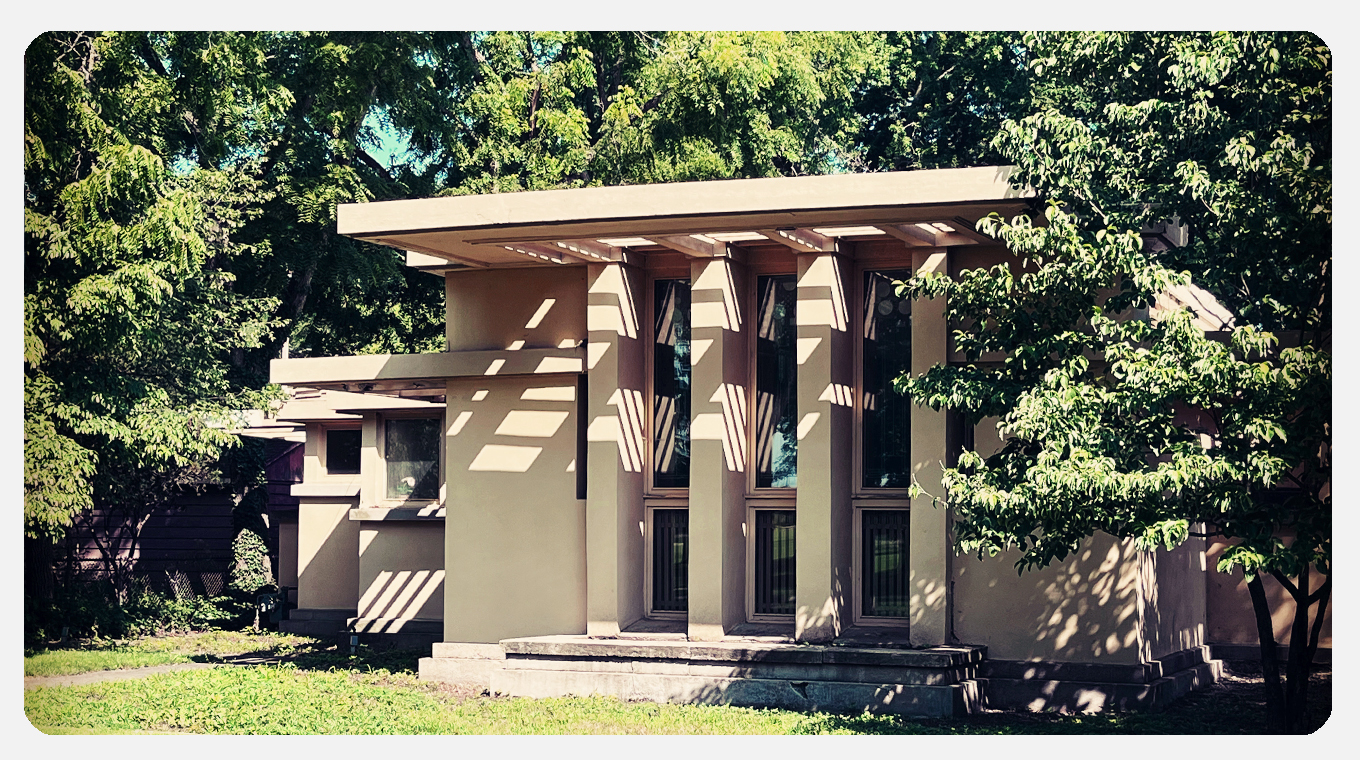
The playhouse was completed in 1912 during the peak of Frank Lloyd Wright’s Prairie School era. At that time, Wright believed architecture should exist in harmony with nature and serve emotional as well as practical purposes. His design for this playhouse was radically different from traditional theaters built during the same period.
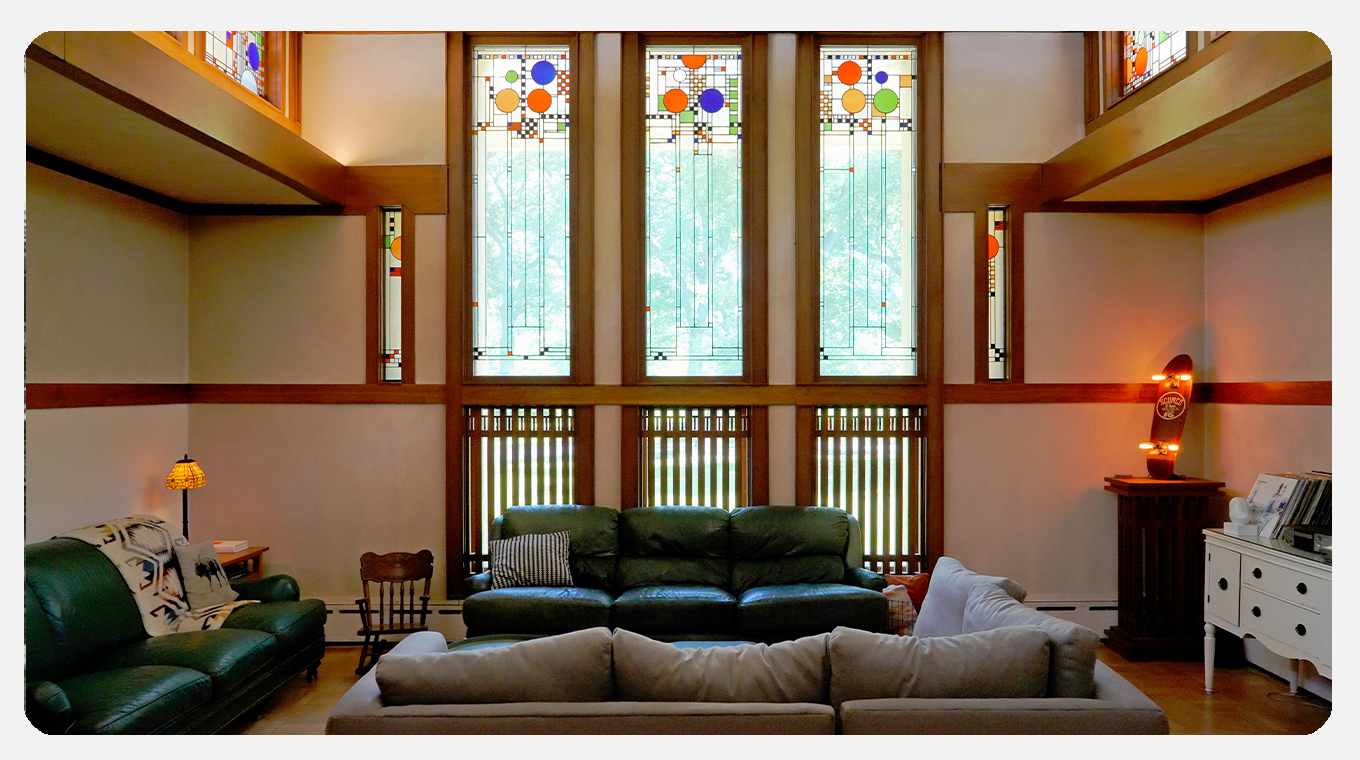
Rather than grand staircases and decorative excess, Wright focused on geometric unity, natural lighting, acoustic harmony, and human comfort. Wooden panels, stained-glass windows, and clean lines dominate the structure, creating a sense of balance and calm.
The stained-glass windows, in particula,r are an essential part of the design. They are not ornamental; they help regulate lighting inside the theater depending on the time of day. This creates an ever-changing interior environment, making each visit slightly different from the last.
A Cultural Landmark in Illinois
Today, the Avery Coonley Playhouse operates as both a historical landmark and a functioning performance space. It hosts theatrical productions, private events, guided tours, and educational programs for architecture students.
Owning Avery Coonley Playhouse tickets means more than access to a seat—it means participating in a preserved cultural tradition. Many visitors attend multiple times simply to experience the subtle changes in lighting and sound throughout different seasons.
Benefits of Attending a Performance at Avery Coonley Playhouse
Immersive Theater Experience
One major benefit is the intimacy of the space. The seating arrangement keeps audiences close to performers, allowing facial expressions, emotions, and vocal nuances to be felt more deeply.
This closeness provides a sense of connection rarely found in large modern theaters. Performances feel genuine and unfiltered, making the experience ideal for drama, spoken theater, musical recitals, and historical storytelling.
Education Through Design
The playhouse is a physical lesson in architectural design. Every feature inside expresses Wright’s belief that architecture should guide human experience. Students of architecture, interior design, and history often use site visits here as practical study sessions.
Programs offered at the venue also include behind-the-scenes tours explaining how acoustics were engineered without technology and how lighting works naturally rather than artificially.
Cultural Value and Prestige
Visiting this playhouse is considered a high-value cultural activity. Many guests attend from outside Illinois, making Avery Coonley Playhouse tickets a popular choice for culturally focused travel.
The venue also attracts creative professionals who seek inspiration from its atmosphere. Writers, designers, and artists often leave energized by the environment.
Real-World Ticket Platforms Related to Avery Coonley Playhouse

Below are real services that visitors often use to locate tickets or tours. These are listed as informational examples only, without any hyperlinks.
Eventbrite Ticket Listings
Eventbrite is widely used to find cultural activities and locally hosted events. When Avery Coonley Playhouse performances or tours become available, they are frequently listed here.
Detailed Benefits:
Eventbrite allows you to view event schedules, seating categories, and ticket quantities in real time. Digital ticket delivery ensures you don’t lose physical passes. Refund options are often available when bookings change.
Use Case:
Travelers visiting Chicago often use this platform because it allows filtering by date and city. This eliminates uncertainty when planning your visit itinerary.
How to Buy:
Search for the playhouse event by name, choose your ticket type, complete your payment, and store your ticket on your mobile device.
StubHub Marketplace
StubHub is known for providing tickets to events that may already be sold out elsewhere. Many users rely on this platform for last-minute tickets or rare events.
Detailed Benefits:
A pricing system that adjusts based on demand allows buyers to compare different seating sections. A buyer protection policy ensures ticket authenticity.
Use Case:
If official tickets are no longer available, StubHub may be your only option.
How to Buy:
Find your event, select a seat, confirm availability, and receive your ticket digitally.
Viator Travel Experiences
Viator provides guided tours and experiences related to architecture and history, including Frank Lloyd Wright locations.
Detailed Benefits:
You can purchase combined experience packages that include several historical sites in one visit. Tour guides add expert-level explanations that self-guided tours often lack.
Use Case:
Perfect for visitors who want a full Wright architecture experience instead of a single visit.
How to Buy:
Select your experience, choosea tour date, and receive confirmation.
Tiqets Cultural Access Service
Tiqets focuses on mobile-first ticketing for museums and historic attractions. It simplifies ticket purchases through instant digital access.
Detailed Benefits:
QR code scanning eliminates the need to print. Many passes include bundled attractions for travelers.
Use Case:
Best for tourists who want efficiency and minimal waiting times.
Ticketmaster Platform
Ticketmaster occasionally handles ticket distribution for theater events and live performances.
Detailed Benefits:
Real-time seat viewing and verified ticket protection reduce risk.
Use Case:
Great for buyers who value reliability.
How Avery Coonley Playhouse Tickets Solve Real Visitor Problems
Problem 1: Limited Touring Access
The venue cannot host unlimited guests due to preservation policies.
Solution:
Early ticket booking through official platforms ensures access before capacity limits are reached.
Problem 2: Confusing Event Information
Smaller venues often change schedules.
Solution:
Digital platforms update information frequently and send reminders.
Problem 3: Risk of Ticket Fraud
Unofficial sellers may provide fake passes.
Solution:
Using established platforms protects buyers from loss.
How and Where to Buy Avery Coonley Playhouse Tickets
Recommended Purchase Locations
- Eventbrite
- StubHub
- Viator
- Tiqets
- Ticketmaster
Buying Strategy
- Book early during peak seasons
- Avoid last-minute purchases unless using verified platforms
- Confirm event time and seating category
- Store ticket digitally
- Arrive early for guided tours
Why Tickets Are Worth the Investment
Purchasing Avery Coonley Playhouse tickets is not merely transactional—it is a cultural investment. The experience offers entertainment, architectural education, and historical awareness in one visit.
The value grows further when you consider how rare it is to experience a theater built exactly as its architect intended, untouched by modernization.
Frequently Asked Questions
1. Are guided tours included with performance tickets?
Not always. Some tickets include tours, while others are performance-only. Always confirm before purchasing.
2. Is photography allowed inside?
Photography rules vary by event. Guided tours may allow photography, but performances often prohibit it.
3. When is the best time to visit?
Spring and summer are the most popular months, but fall offers a quieter and more private experience.