Coonley House Frank Lloyd Wright Tickets Guide: History, Architecture, Benefits, and Visitor Planning
The Coonley House, designed by Frank Lloyd Wright, is among the most influential residential works in American architecture. Completed in 1911 and located in Riverside, Illinois, the house stands as a physical example of Wright’s Prairie School philosophy. People from around the world seek Coonley House Frank Lloyd Wright tickets not simply to tour a historic building but to witness a defining moment in architectural history.
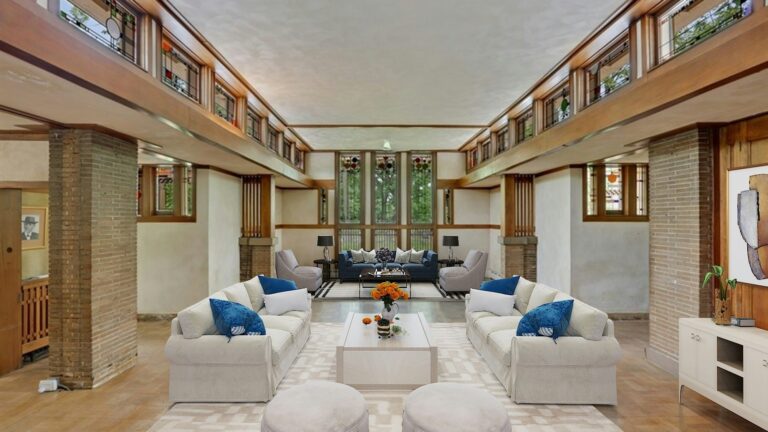
Unlike traditional historic homes that showcase luxury through decoration, the Coonley House emphasizes space, flow, and function. Wright believed architecture should improve daily life rather than overwhelm it with ornamentation. That belief is present in every corridor, panel, and stained-glass window, making the building feel surprisingly modern even today.
Buying entry tickets is the only way to experience the interior of this masterpiece. Photographs can demonstrate beauty, but they cannot communicate atmosphere. A visit offers something entirely different—a sense of balance between structure, light, and environment that must be felt in person.
The Origin of the Coonley House
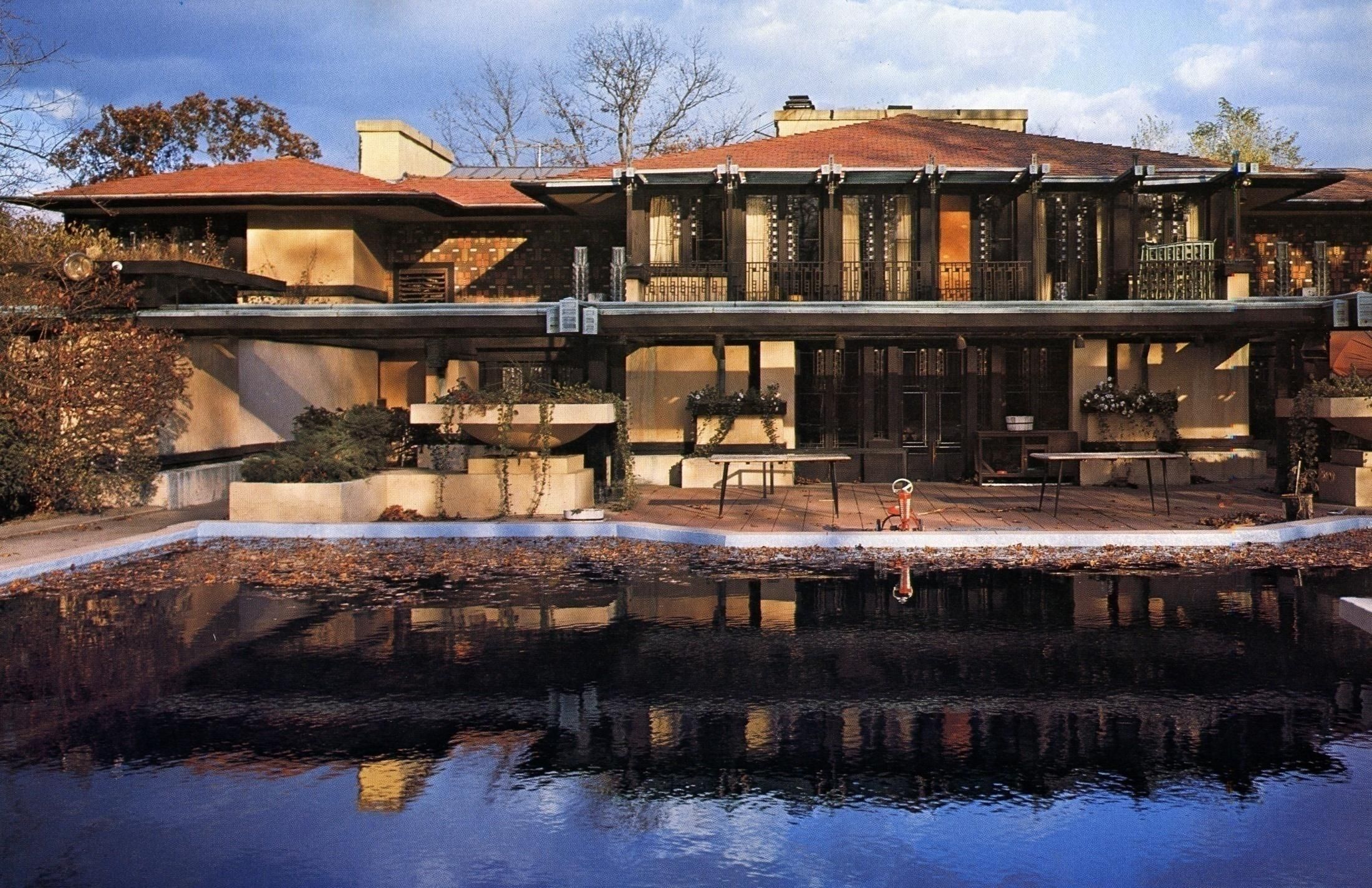
Frank Lloyd Wright’s Break from Tradition
In the early twentieth century, most American homes followed European-inspired styles that emphasized vertical lines and strict room separation. Wright rejected this entirely. When he accepted the commission to design the Coonley House for Avery and Queene Ferry Coonley, he saw it as an opportunity to redefine domestic design.
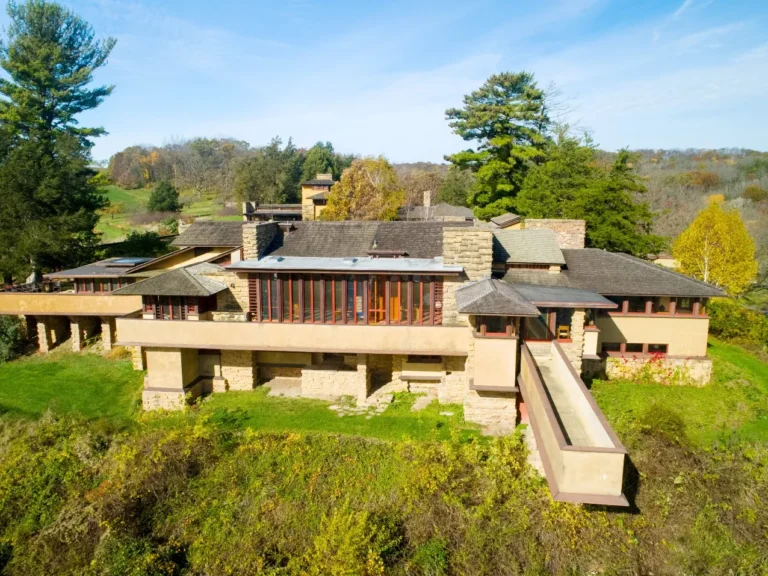
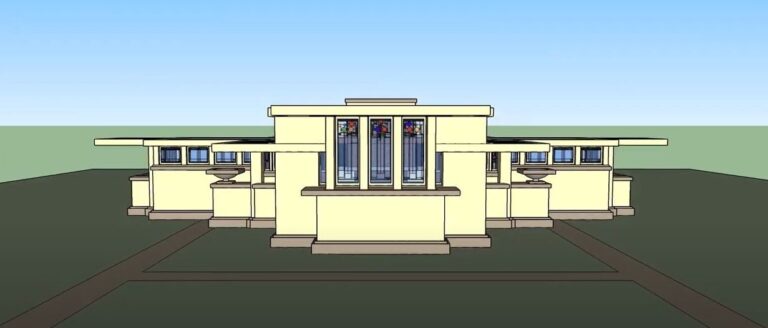
Rather than stacking rooms on top of one another, he spread the structure horizontally. The rooflines are low and extended, echoing the flat Midwestern prairie. Rooms flow into one another without heavy doors or restrictive hallways. This design made the home feel more open and emotionally welcoming.
Wright did not want people to feel trapped inside buildings. He believed architecture should free people rather than confine them. In the Coonley House, open spaces and strategically placed windows encourage movement and awareness of the surrounding landscape.
The Role of the Coonley Family
The Coonleys were more than wealthy patrons; they supported innovation in education and design. Their interest in progressive ideas made them ideal clients for Wright’s unconventional approach.
Together with Wright, they developed a home that functioned not just as a residence but as a learning environment. Children were encouraged to explore, and adults were meant to interact with their rooms dynamically. The house was not designed to be admired from a distance; it was meant to be lived in.
Why the Coonley House Is So Important Today
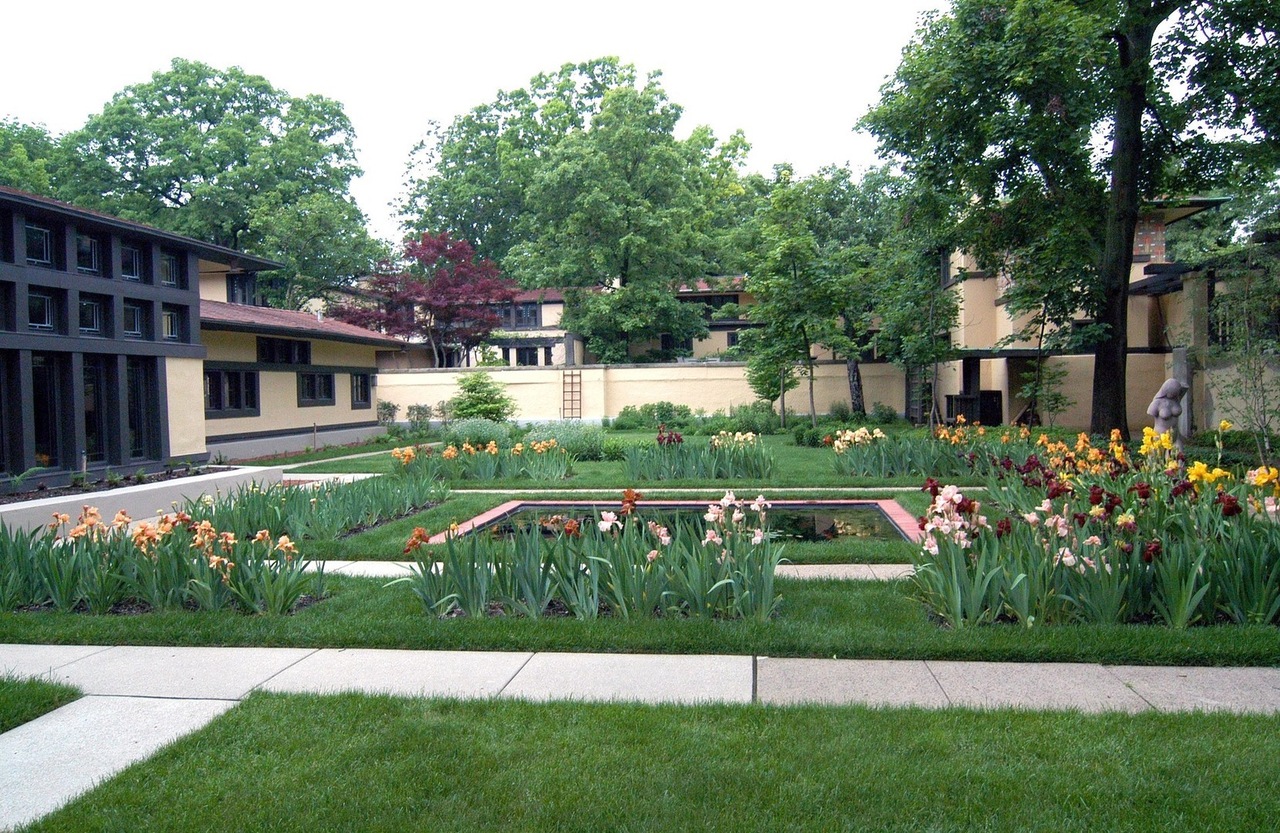
A Living Example of Modern Architecture
Many architectural movements exist only in theory or museums. The Coonley House stands as a functional structure that expresses its philosophy in steel, glass, and concrete.
Visitors walking through the house can observe how geometry influences mood, how light changes perception of space, and how design logic improves daily comfort. These lessons remain relevant today as architects continue striving for functional beauty.
Cultural Preservation Through Tourism
The house remains well preserved because visitors continue to support it. Every ticket contributes to restoration efforts, climate control systems, and structural conservation.
When people purchase Coonley House Frank Lloyd Wright tickets, they become part of preservation history. That is one reason cultural tourists often place this site at the top of their travel list. Visiting is an investment in heritage.
Benefits of Visiting the Coonley House in Person
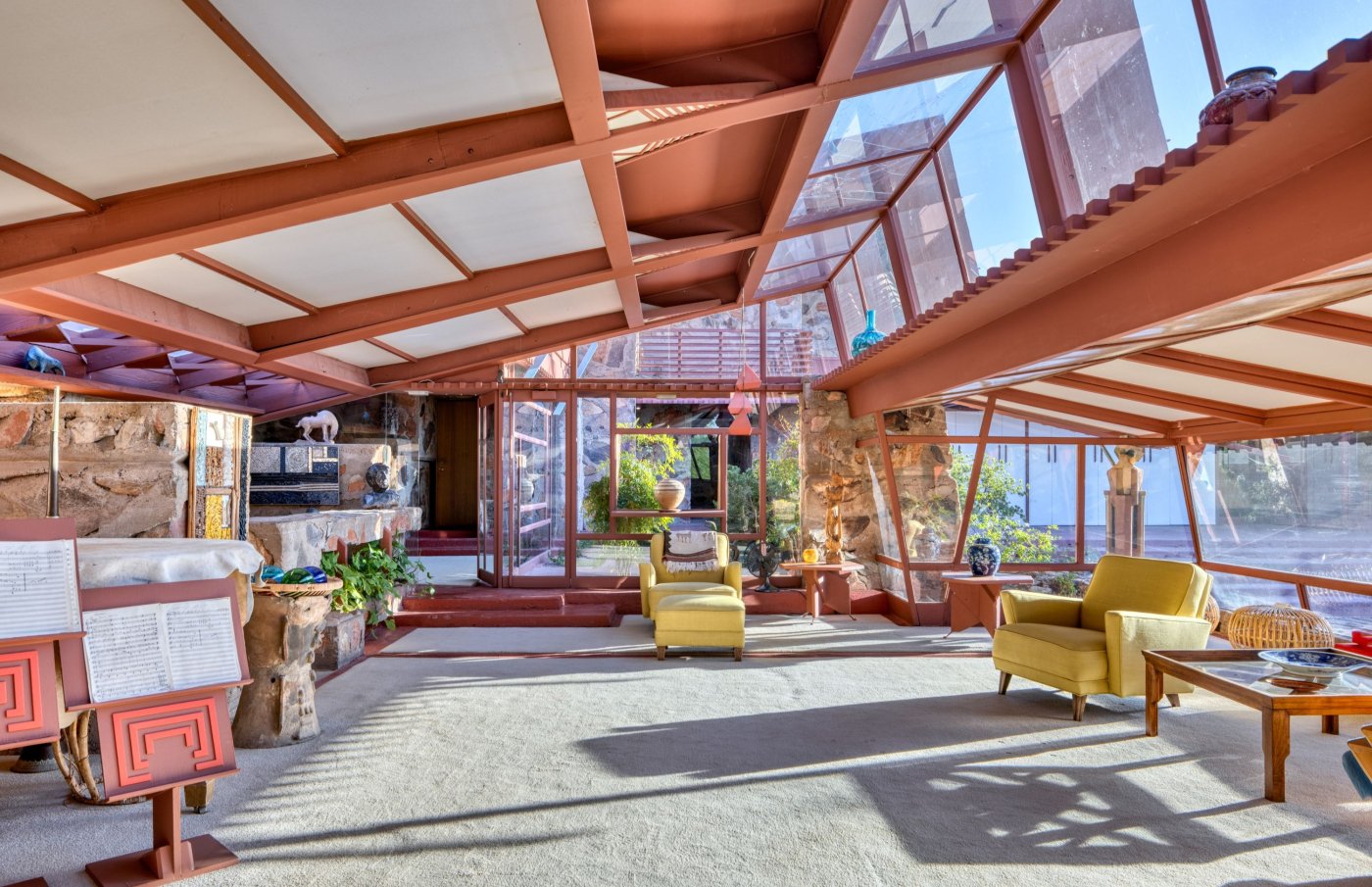
Emotional and Sensory Experience
Unlike typical tourist attractions, the Coonley House engages the senses quietly and subtly. The building communicates through light patterns, spatial relationships, and design rhythm.
Visitors often mention feeling calm when inside. This is not accidental. Wright designed the home intentionally to reduce mental stress and create harmony between environment and emotion.
Educational Advantage
Students of architecture, interior design, and art history gain tremendous value from a physical visit. Seeing how Wright structured space teaches lessons about proportion, lighting, and circulation better than diagrams or textbooks.
Guided explanations add depth to the experience, allowing guests to understand why certain features exist and how design evolved at the time.
A Unique Travel Achievement
Visiting the Coonley House is not a casual sightseeing activity. It is considered a prestigious cultural experience, similar to visiting well-known galleries or historic monuments.
Travelers often consider it one of the highlights of an Illinois trip. Many return multiple times simply to experience the atmosphere in different seasons.
Real-World Ticket Products and Visitor Platforms
Below are commonly used platforms where people search for admission opportunities and architectural experiences related to the house.
Eventbrite Cultural Events Listing
Eventbrite hosts official tours, architecture walks, and historical events hosted by preservation organizations.
Benefits:
Clear schedules, real-time updates, mobile ticket storage, and reminders about tour times make planning easy.
Use Case:
Most travelers rely on this platform to confirm available dates before finalizing travel plans.
StubHub Secondary Ticket Market
StubHub is a resale platform that allows ticket transfers for fully booked experiences.
Benefits:
Buyer protection policies help reduce fraud risks. Users can compare different seller prices.
Use Case:
Especially helpful when tickets are sold out through official channels.
Viator Guided Experiences
Viator organizes architecture-based tourism, including Frank Lloyd Wright-focused travel routes.
Benefits:
Tours include guides, educational explanations, and sometimes transportation.
Use Case:
Ideal for visitors who want a professional architectural overview rather than casual sightseeing.
Tiqets Digital Ticketing System
Tiqets emphasizes quick access and paperless entry.
Benefits:
Mobile QR codes, simple checkout, and travel bundles.
Use Case:
Useful for international visitors managing multiple attraction visits.
Ticketmaster Event Distribution
Ticketmaster sometimes facilitates ticket sales for limited-time events and exhibitions.
Benefits:
Secure payment methods and verified ticket assurance.
Use Case:
Best for seasonal or special exhibitions.
The Problems Coonley House Tickets Solve

Limited Entry Slots
Preservation rules restrict how many people can enter at a time.
Solution:
Buying tickets in advance prevents disappointment.
Travel Planning Confusion
Small historic venues sometimes change schedules.
Solution:
Major platforms update times and send alerts.
Risk of Fake Passes
Third-party sellers can pose risks.
Solution:
Using known platforms protects consumers.
Why People Choose to Buy Admission
Coonley House Frank Lloyd Wright tickets exist because demand is high and preservation is essential.
People buy tickets because they:
- Want architectural authenticity
- Seek cultural enrichment
- Need academic insight
- Appreciate design innovation
- Value educational tourism
Without tickets, this experience remains inaccessible.
How and Where to Buy Tickets Safely
Recommended Ticket Sources
- Eventbrite
- StubHub
- Viator
- Tiqets
- Ticketmaster
Buying Tips
- Book two weeks earlier
- Store tickets on mobile devices
- Never trust social media sellers
- Read cancellation policies
- Arrive early
Final Thoughts
The Coonley House demonstrates that architecture is more than shelter. It is an emotional, educational, and cultural expression.
Frank Lloyd Wright challenged conventions when he created this house. Today, it continues to challenge visitors to think differently about space and lifestyle.
Buying Coonley House Frank Lloyd Wright tickets offers rare access to that challenge—a journey through ideas formed in wood, glass, and stone.
Frequently Asked Questions
1. Are tours guided or self-paced?
Most visits are guided to protect interior artifacts. Some offer limited self-guided sessions.
2. Is the house suitable for elderly guests?
Yes, but some areas require walking or standing for moderate periods.
3. Is it accessible for wheelchair users?
Accessibility varies by section. Visitors should inquire in advance.