How to Choose and Invest in Luxury Homes: Your Ultimate Guide
When it comes to real estate, the moment you search for “luxury homes”, you’re signalling an intention to buy or invest in high-end, exclusive properties. In this guide, we’ll cover: what luxury homes are, why they’re worth pursuing, technology and lifestyle benefits, real-world examples of luxury homes, and the detailed process of how and where to buy one. Let’s dive in.
Understanding Luxury Homes: Definition, Features & Why They Matter
What defines a luxury home
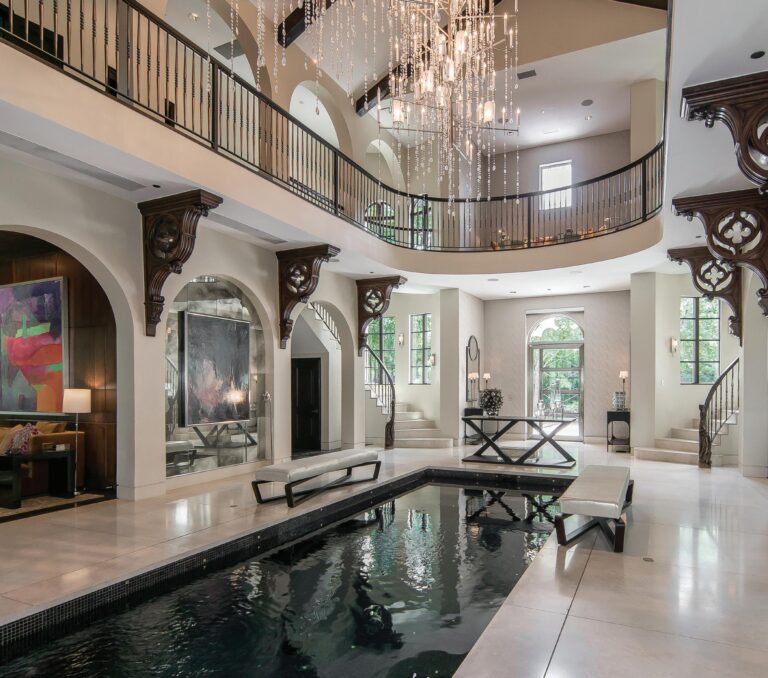
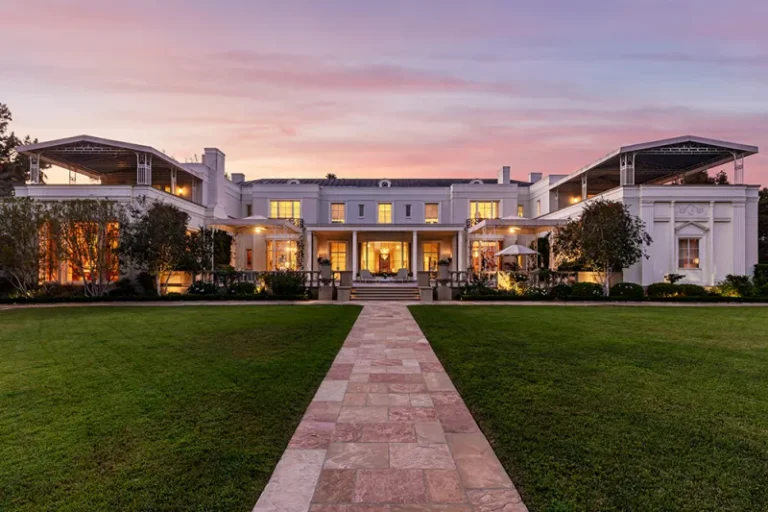
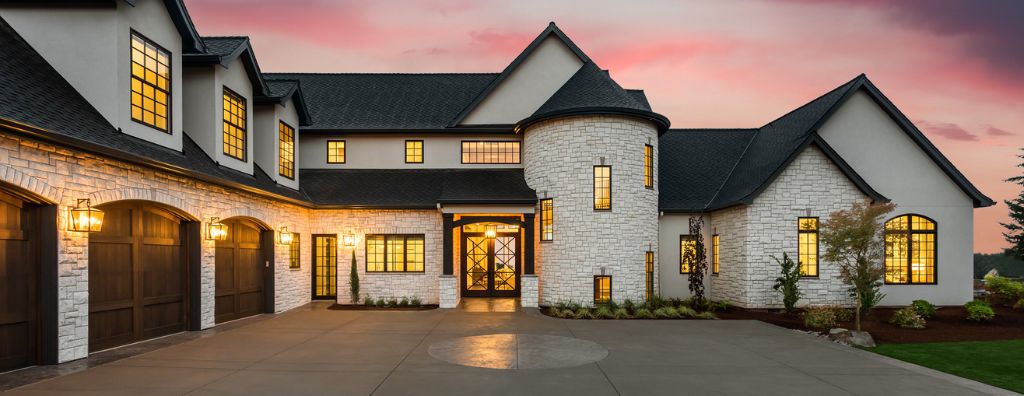
The term “luxury home” goes beyond simply “expensive house.” A luxury home typically embodies: prime location, exceptional architecture, high-end materials, unique amenities, and notable privacy or exclusivity. Experts list features like premium finishes, custom design, and large land parcels as common markers of luxury homes.
For example, according to real estate commentary, homes in the top 10 % of their local market are often considered luxury homes.
Luxury homes matter because they offer a distinct lifestyle: elevated finishes, bespoke spaces, tailored amenities, and often a very different living experience compared with standard homes.
Key features to look for when evaluating luxury homes
Insert image of the product format
When you start evaluating luxury homes, it pays to know what sets them apart. Some of the most important design and build qualities include:
-
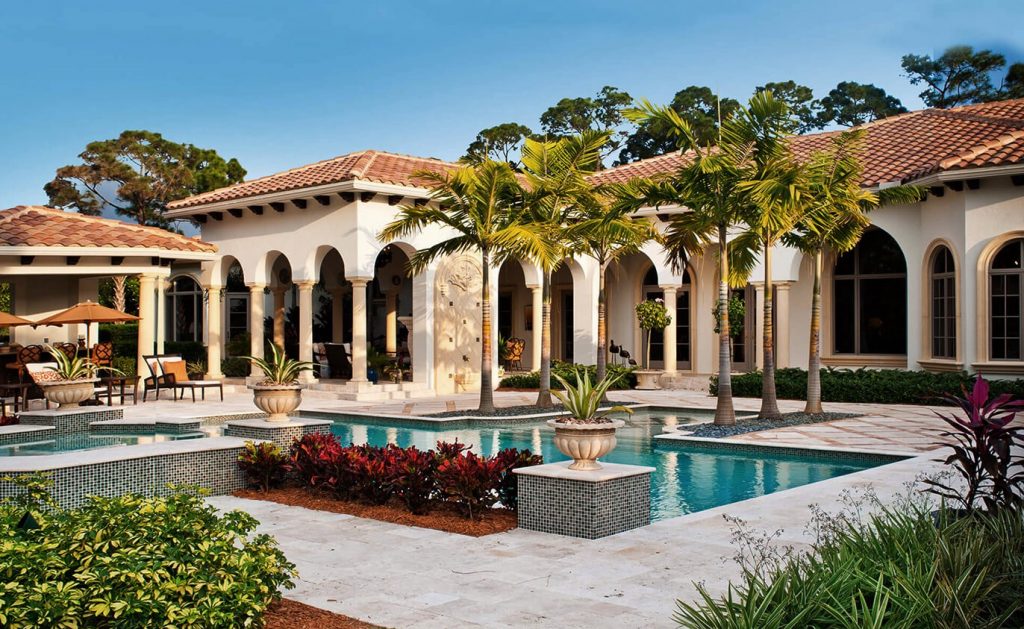
Premium materials and architectural details: high-quality stone, hardwoods, custom metalwork, large spans of glass, bespoke fixtures.
-
Impressively sized spaces: large square footage, generous land, big rooms, or expansive open-plan living.
-
Integration of indoor and outdoor living: terraces, large windows, sliding walls, gardens, outdoor kitchen, or living rooms.
-
Advanced technology and smart systems: luxury homes increasingly include home automation, smart security, climate control, and wellness features.
-
Extra amenities and unique spaces: wine cellars, spa bathrooms, home theatres, outdoor kitchens, elevators, views, and private access.
Understanding these features helps you recognise value and differentiate between a high-end home and a true luxury home.
Why investing in luxury homes matters

There are several strong reasons to consider buying a luxury home:
-
Lifestyle upgrade: you get more space, richer finishes, better amenities, privacy, and often a more exclusive address or view.
-
Long-term investment value: Luxury homes in good locations with strong features tend to hold value, sometimes better than average homes, since fewer comparable properties exist and the buyer base is more niche.
-
Differentiated asset class: for those who already own standard residential real estate, luxury homes offer an alternative category often less correlated with mass-market pricing.
-
Problem solving: If your current home lacks privacy, size, design quality, amenities, or location, a luxury home can address those deficits.
In short, luxury homes are not just about status; they offer tangible benefits in space, quality, and future value.
Benefits of Luxury Homes: Technology, Comfort & Value
Elevated comfort and smart home technology
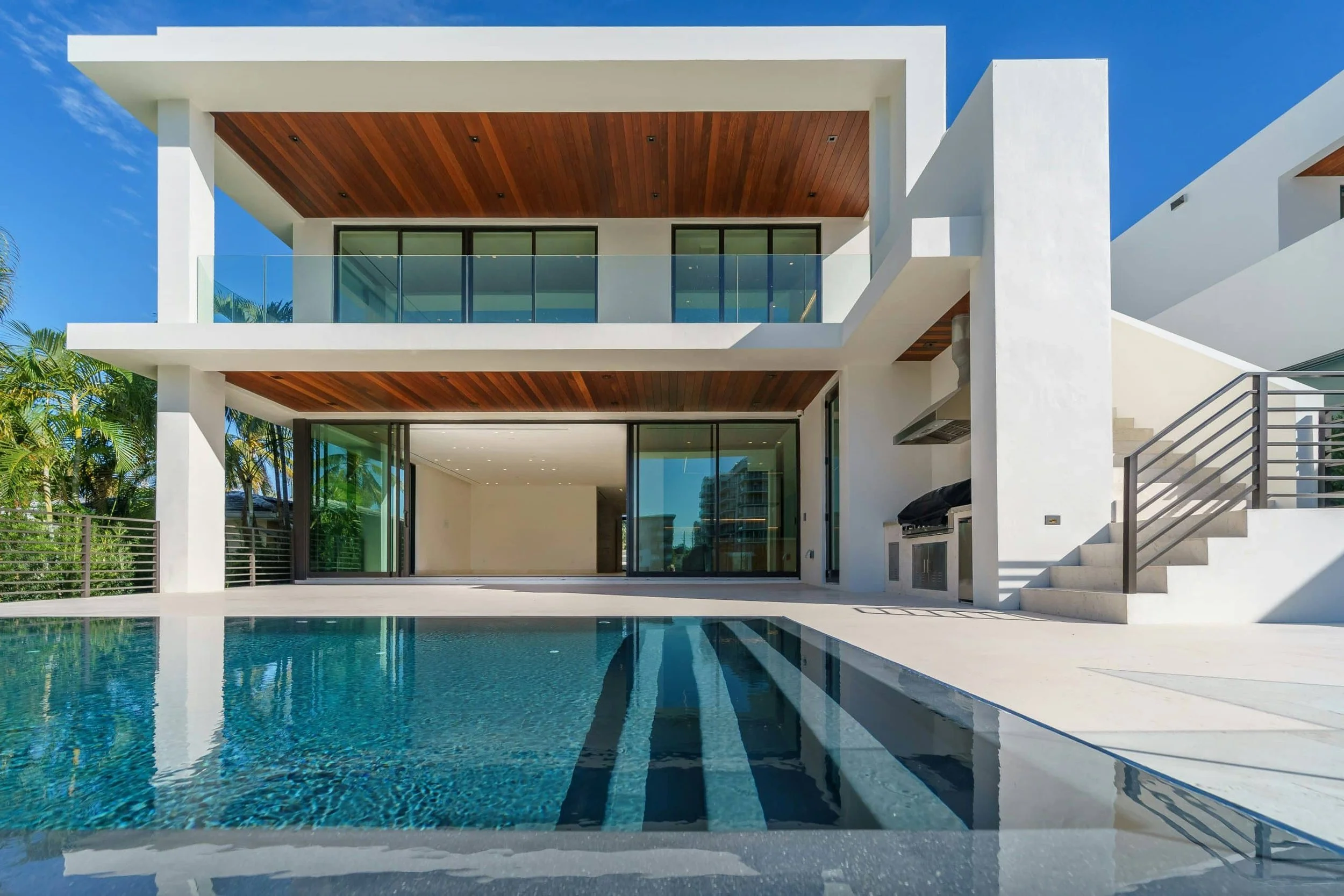
One of the key advantages of luxury homes is the integration of smart systems and high-end comfort features. Consider features like automated lighting, climate control, integrated audio-visual systems, security monitoring, and remote control of many functions. These are hallmarks of luxury living today.
For instance, luxury homeowners often demand spa-style bathrooms with steam showers, heated floors, indulgent materials, and design elements.
These technologies and features offer clear benefits: easier daily living, better comfort, higher convenience, energy efficiency, and sometimes better resale appeal. If you travel frequently, have a large property, or want minimal maintenance hassle, these smart systems become a key differentiator.
Sustainability, future-proofing, and value retention
Luxury homes are increasingly focused on sustainability and future readiness features, such as solar energy systems, rainwater harvesting, high-performance glazing, and materials with low environmental impact are becoming normal in the luxury segment.
By choosing a luxury home that incorporates these technologies, you’re not just buying for now, you’re investing for future relevance, lower running costs, and stronger appeal to future buyers.
Moreover, as markets evolve, homes with advanced amenities and sustainability measures often maintain their premium value better than those with outdated systems. So from a value-preservation standpoint, technology and sustainable features matter.
Problem-solving benefits: why the luxury segment matters
When you evaluate your own needs, luxury homes solve specific problems:
-
If you feel your current home is too small, lacks amenities, or design quality, a luxury home gives you the space, finishes, and functionality you desire.
-
If you want an investment property that stands out, a luxury home in a prime location with unique features can attract discerning buyers or renters and potentially shorter holding times.
-
If you plan for the long term (e.g., multi-generation living, entertaining, private work/study zones), luxury homes often have the flexibility and capacity to deliver.
Thu, the benefits go beyond “just a nice home;e”; they are aligned to practical, lifestyle, financial, and future-oriented goals.
Real-World Examples of Luxury Homes
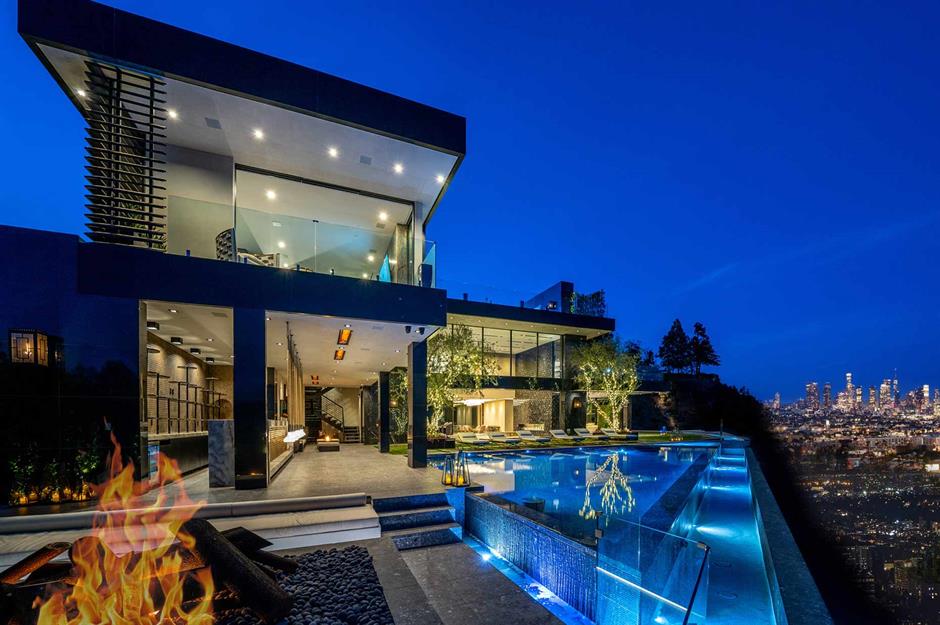
Below are five real-world luxury homes that illustrate how different types of properties meet the “luxury home” definition, their benefits, and the kinds of buyers they serve.
Example 1: Coastal Villa with Infinity Pool
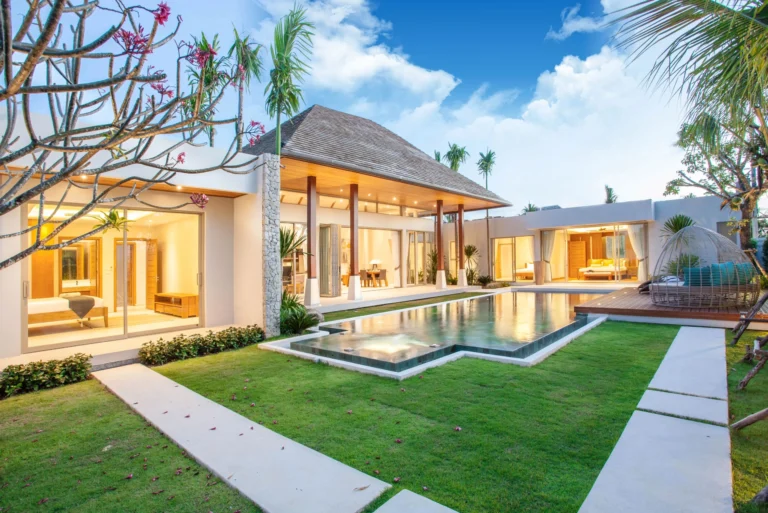
Imagine a beachfront luxury villa where the living room opens onto a terrace that flows into an infinity pool facing the ocean horizon. The materials may include floor-to-ceiling glass walls, bespoke natural stone floors, custom lighting, designer landscaping, and high ceilings.
Benefit: Here, you get the ultimate seaside lifestyle privacy, direct view, luxury finishes, seamless indoor/outdoor living.
Problem solved: For buyers who currently live inland, or in standard homes without views or access, this home gives a dramatic upgrade.
Where to buy / how to buy: Search luxury property portals focused on coastal markets (for example, Malibu or other premium coastal regions). Work with a real estate broker specialising in luxury coastal homes. Conduct due diligence on coastal regulations, sea-level risk, maintenance of outdoor es and pool systems.
Why people need it: if you aspire to own a “resort style” home, for holidays, entertaining, or status, this property fits the bill.
Example 2: Urban Penthouse in A major City
Consider a luxury penthouse located in a major metropolitan skyline. It might feature a private elevator foyer, panoramic city views, a terrace or rooftop deck, a premium appliance kitchen, a wine cellar, integrated home automation, and top-tier building amenities.
Benefit: Combines luxury with an urban lifestyle close to restaurants, culture, transport, yet private and exclusive.
Problem solved: For high-net-worth individuals who commute or want central living but also demand premium living standards and design.
Where to buy / how to buy: Look for new luxury high-rise developments or top-level listings in major global cities. Engage a luxury real-estate agent familiar with high-rise luxury transactions, understand building fees, shared amenities, and resale prospects.
Why people need it: If your life centres on the city and you want a premium home without sacrificing convenience or luxury.
Example 3: Mountain Retreat Estate
A mountain-side estate offers large acreage, views of nature, private access, built perhaps with timber and stone finishes, multiple guest wings, home theatre, spa, wellness wing, and outdoor living spaces with firepits or ski-in/out access depending on region.
Benefit: Offers tranquillity, privacy, and a premium lifestyle close to nature.
Problem solved: If the home is noisy, crowded, urban, or lacks space for entertaining or retreat, this estate provides the “escape” factor.
Where to buy / how to buy: Luxury real-estate specialists in mountain resort areas list such homes. Check seasonal access, zoning/HOA rules, wildlife/forest regulations, and maintenance of large land areas.
Why people need it: Ideal for families, for second homes, for people who entertain guests, or those who want an investment in a resort region.
Example 4: Waterfront Mansion in Emerging Market
In some international markets, you might find a waterfront luxury mansion where you own a private dock or boat access, high-tech home automation, indoor/outdoor flow, designer landscaping, and large staff quarters.
Benefit: Combines global asset, prestige address, lifestyle, and both recreation and luxury.
Problem solved: For buyers seeking diversification, a second home abroad, holiday rental income, or a status symbol.
Where to buy / how to buy: Investigate emerging markets or prime waterfront zones. Check local laws for foreign ownership, currency risk, service/maintenance for large homes, rental market if you plan to lease.
Why people need it: Beyond just living, the property serves multiple roles: asset, vacation home, investment, legacy.
Example 5: Eco-Luxury Smart Home in Urban/Suburban Context
A luxury home built with sustainability and smart technology at its core: solar panels, rainwater harvesting, automated climate control, high-performance glazing, minimal environmental footprint, yet finished with luxury designer materials, open floor plan, smart home security, large terraces, and premium amenities.
Benefit: Blend of luxury and responsibility, high design, premium feel, but lower running costs and future-proofing.
Problem solved: For buyers who want luxury but also care about sustainability, efficiency, long-term operational costs, and the green credentials of their investment.
Where to buy / how to buy: Look at new luxury developments that advertise green credentials or older luxury homes with retrofit potential. Check certifications (LEED, BREEAM, etc.), warranty on solar or smart systems, long-term maintenance, and upgrade path.
Why people need it: Because as regulatory and market trends push toward sustainability, owning a luxury home that already embodies those features adds value now and for resale later.
How to Buy Luxury Homes & Where to Look
Step-by-step buying process
Buying a luxury home involves more steps and higher stakes than typical homes. Here’s a typical process:
-
Define your budget, financing strategy, and timeframe. Luxury homes can cost millions, and many buyers may pay cash or utilise specialised financing.
-
Decide on your preferred location, property type (villa, penthouse, estate), and what luxury features matter most.
-
A real estate broker who specialises in the luxury segment and who knows local/regional luxury markets.
-
Search listings on luxury-property portals and attend private viewings. Evaluate homes for materials, design, amenities, maintenance requirements, and future resale potential.
-
Perform detailed due diligence: title & ownership, land use/zoning, building permits, homeowners association (if any), maintenance history, technology systems, risk (sea level, view loss, etc).
-
Negotiate terms: price, contingencies (inspection, financing, technology systems), closing timeline, furnishings if included, property management if required.
-
Close the deal: sign contracts/agreements, transfer funds, register ownership, set up property management (especially if you are buying as an investment or in another region).
By following a structured buying process, you mitigate risk, ensure quality, and maximise the value of your luxury home investment.
Where to search and how to position yourself
When looking for luxury homes, these are the best avenues:
-
Luxury real-estate websites and portals listing high-end properties in desired jurisdictions.
-
Specialist luxury real-estate agencies or brokers who have networks and exclusive access.
-
Off-market opportunities: many luxury homes are sold privately, via a network by invitation.
-
New luxury developments: often announced by premium firms, allowing you to customise finishes and technology.
When positioning yourself as a buyer:. -
Be clear about your budget and expectations.
-
Show credentials (if you’re buying internationally, show financing readiness).
-
Time your purchase: luxury markets can be more illiquid than mass-market, so understanding market cycles is valuable.
-
Consider ongoing costs: luxury homes often have higher maintenance, service staff, gardens, pools, security, technology maintenance, and property management. Factor this into your purchase decision.
Tips specific to luxury homes
Some best-practice tips for buying luxury homes include:
-
Focus on location first: even the best luxury finishes won’t overcome a poor or declining neighbourhood.
-
Prioritise uniqueness and scarcity: the fewer comparable properties, the stronger your investment.
-
Inspect the tech & systems: luxury homes may have cutting-edge systems that require specialised maintenance and upgrade costs.
-
Understand running costs and maintenance: e.g., pools, large land, staff, gardens, and security all add cost.
-
Evaluate resale potential: even luxury homes need to appeal to future buyers. Trends shift, so timeless design + quality materials + good location = better chance of long-term value.
Conclusion
Luxury homes represent one of the highest tiers of residential real estate: demanding not only high budgets but also refined taste, long-term thinking, and strategic decision-making. In this article, we’ve defined what “luxury homes” are, explored their benefits, examined real-world examples, and walked through how and where to buy them. If you’re searching for a property that offers exceptional lifestyle, strong investment potential, advanced technology, and prestige, a luxury home might be the right choice for you.
FAQ
Q1: What distinguishes a “luxury home” from a high-value regular home?
A1: Although value matters, a luxury home is distinguished by exceptional location, premium materials and finishes, bespoke architecture, unique amenities (spa bathrooms, smart home tech, large land or vista views), and often exclusivity or scarcity in the market. Writing on luxury real estate emphasises that you must highlight story, lifestyle, and uuniquene, not just features.
Q2: Are luxury homes a good investment?
A2: Yes, they can be, but like any investment, it depends on location, market conditions, quality of build and features, and long-term maintenance. Luxury homes in prime locations, with standout features and strong resale prospects, often outperform average homes in value retention. The benefits include lifestyle, status, and asset diversification. But buyers should factor in higher maintenance and potentially less liquidity.
Q3: How do I begin searching for a luxury home?
A3: First, define your budget and priorities for location and features. Then engage a specialist luxury real estate agent who knows your target region. Browse luxury property platforms, attend viewings, and inquire about off-market opportunities. Perform rigorous due diligence (title, zoning, system condition, future market prospects) and understand costs beyond purchase price (maintenance, management, upgrades). Being methodical and working with experts greatly increases your chance of securing the right luxury home.