Secure the Right Wheelchair Accessible Apartments Today – Your Guide to Finding Inclusive Rentals
Finding the right wheelchair accessible apartments is more than a search for “rental units,” it’s a search for a home that supports independence, mobility, and comfort. For renters who use wheelchairs or require accessible design, the keyword “wheelchair accessible apartments” is highly transactional: you’re ready to lease, not just browse. This article will walk you through: what defines a wheelchair accessible apartment, why it matters, key benefits (including technology-enabled benefits), real-world examples of accessible rental units, how to find and lease them, and common questions at the end.
An apartment becomes truly wheelchair accessible when it goes beyond standard rental units and incorporates design, construction, and amenity features tailored for wheelchair users and mobility-impaired individuals. According to building guidelines, features must include: an accessible building entrance on a clear accessible route; accessible public areas; doors usable by someone in a wheelchair; an accessible path into and through the unit; and controls (light switches, outlets, thermostats) placed at accessible heights.
More specifically, hallways should be wide enough (typically at least four feet) and free of thresholds or obstacles. Bathrooms should allow clear space for manoeuvre, with outward-opening doors, roll-in showers or bathtubs equipped for grab-bars. Kitchens may need lower countertops or “knee space” under sinks so a wheelchair user can approach.
When you search for “wheelchair accessible apartments”, make sure you ask about: threshold heights, door width, accessible route from parking to unit, location of bathroom and kitchen fixtures relative to wheelchair reach, and whether smart home features are included for further independence. These details separate a truly accessible apartment from a standard rental.
Why Prioritize Wheelchair Accessible Apartments?
Independence, Quality of Life, and Mobility
For renters using wheelchairs, finding a home that supports mobility and independence is essential. A truly accessible apartment solves major daily-living problems: navigating through doorways, turning in bathrooms, reaching controls, and safely entering and exiting the unit. Without these features, a wheelchair user might face constant friction, risk of accidents, or dependence on assistance.
By renting an apartment that is designed for wheelchair access, you gain a living space where you can move, live, and entertain with minimal barriers. That translates into improved quality of life, reduced stress, and real independence.
Future-Proofing and Smart Living
Modern accessible apartments increasingly include smart-home technology that benefits wheelchair users and anyone with mobility challenges. Features like app-controlled door access, voice-activated lighting and thermostats, automatic doors, remote monitoring, and accessible home automation allow you to manage your environment more easily. For example, a research project on “SafeAccess+” shows the value of integrating smart-home systems to enhance safety and accessibility in homes for persons with disabilities.
Choosing a wheelchair-accessible apartment that also incorporates these technologies means you’re not just renting a unit; you’re investing in a home that adapts to you, enhances your independence, and reduces barriers long-term.
Legal and Fair Housing Rights
Under the U.S. Fair Housing Act (and similar laws in other countries), accessible apartments must meet certain design and construction requirements for tenants with disabilities. This means you have legal protections and rights when looking for a rental. Acknowledging these rights helps you identify apartments that meet required standards and protects you from units that claim accessibility but fall short.
Real-World Examples of Wheelchair Accessible Apartments
Here are five detailed real-world examples of apartments or developments designed for wheelchair access. Each illustrates how accessible features and rental design come together in practice.
Example 1: One Thames Quay – London, UK
One Thames Quay offers “wheelchair accessible apartments” with level approach, automated main entrance doors, wider internal door widths, generous circulation zones for wheelchair turning, wheelchair storage/charging points, step-free lobby, and amenity access.
Detail: This development includes features such as dedicated wheelchair storage and charging ports, spacious internal layouts with turning circles, and bathrooms designed to allow future grab-bar installation or conversion to wet rooms.
Use case/problem solved: For a renter using a powered wheelchair, ease of movement from the lobby to the unit, inside the unit, and access to amenities is critical. One Thames Quay addresses those mobility needs.
Why someone needs it: Because without ramps, wide doors, accessible bathrooms, and elevator access, moving into an apartment becomes a barrier rather than a home.
Example 2: Accessible Rental Housing Units (Los Angeles Housing Department)
In Los Angeles, the housing department defines “Mobility Units” in accessible rental housing for persons with mobility disabilities, including wheelchair users. Features include wider doorways, sufficient turn-around space, and lower kitchen counters.
Detail: This example shows how government-certified rental programmes require certain percentages of units in new construction to be accessible, thus giving more options to wheelchair users in typical leasing markets.
Use case/problem solved: Someone relocating to LA who needs an accessible unit can look specifically for “Mobility Units” and be confident of the baseline features.
Why someone needs it: Because standard rental units often exclude or ignore wheelchair requirements, sanctioned accessible units level the playing field.
Example 3: Accessible Apartments in US Listings
Listings for “disability accessible apartments” emphasise features such as wider doors, roll-in showers, lower counters, and accessible parking zones.
Detail: For example, bathrooms may have doors opening outward, clear space around toilets, and kitchens with counters at reachable heights and open space underneath sinks.
Use case/problem solved: A renter using a manual wheelchair needs to be able to maneuver inside the bathroom suddenly and safely; accessible design ensures that.
Why someone needs it: Without these features, the rental could force constant adaptation, reliance on assistance, or early relocation.
Example 4: General Accessible Rental Design Guidance
Guidance articles highlight features like a minimum 34-inch door width, outward-opening bathroom doors, hallways of at least 4 feet wide, and safe transitions at thresholds.
Details: These design criteria serve as benchmarks when evaluating apartments. For instance, door widths and threshold heights matter greatly to wheelchair users.
Use case/problem solved: When touring an apartment, you can check door width, floor threshold, and bathroom layout to ensure the unit meets mobility needs.
Why someone needs it: Because what looks spacious may still be inaccessible without correct clearances and layouts.
Example 5: Accessible Living Buildings (General Market)
Accessible living resources explain that buildings should provide flat or ramped routes to the entrance, accessible common areas, and accessible house units. BraunAbility
Detail: Look for features such as accessible route from parking or bus stop, elevator access on higher floors, accessible laundry, or common areas.
Use case/problem solved: A wheelchair user whose daily routine includes entering a building, getting to a unit, and using common amenities independently benefits from this full scope of accessibility.
Why someone needs it: Without accessible common elements, the apartment might be fine, but the building locks you out of complete independence.
Benefits of Technology-Enabled Wheelchair Accessible Apartments
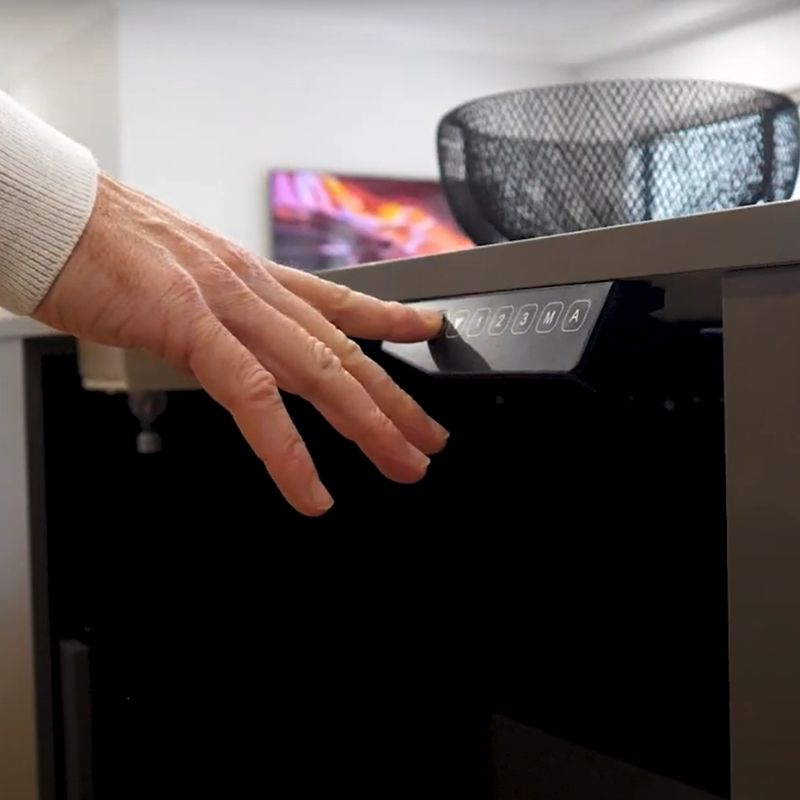
Smart Home Automation for Accessibility
Modern accessible apartments increasingly include smart features: voice-activated lighting, app-controlled thermostats, remote door locks or garage controls, sensor-based systems, and alert systems. This solves the accessibility challenge from mobility limitations by allowing renters to control their environment with minimal physical effort. According to research on SafeAccess+ and similar systems, smart-home technologies can significantly enhance independence and safety for people with mobility disabilities.
For example, A wheelchair user can control lighting, temperature, and doors via voice or app; the building may have automated entry, and the apartment layout may anticipate smart controls. These features reduce reliance on caregivers and increase comfort and autonomy.
Energy Efficiency and Cost Savings
Accessible apartments with smart home systems often include efficient HVAC, automated shading, and accessible placement of controls, leading to cost savings and easier management of bills. Also, accessible design means fewer retrofits, fewer repairs, and less disruption. The benefit is real: lower lifetime cost of living and a more predictable home experience.
Improved Safety and Monitoring
Accessible rentals can include monitoring systems or alert features tailored to mobility-impaired residents: fall detection, remote check-ins, automated locks, doorbell cameras, and accessible emergency controls. This solves the problem of risk when mobility is challenged, giving peace of mind to renters and families.
Flexible Layout and Future-Ready Features
Accessible apartments designed with technology and inclusive design can adapt over time for aging in place, changing mobility needs, or for guests with temporary mobility issues. The layout might include open spaces, no-step entries, smart controls, and accessible routes, making the unit versatile and future-proof. This is a benefit when you think ahead.
How to Find a Leasedee, and Where to Rent Wheelchair Accessible Apartments
Step 1: Define Your Accessibility Needs
Before searching listings, list your specific mobility requirements: door widths needed, roll-in vs standard shower, location of bedroom/bathroom on entry floor, kitchen reachability, elevator access, parking/van access. Having clarity allows you to filter appropriately.
Step 2: Use Specialist Listings & Contact Agents
Search for keywords like “wheelchair accessible apartments”, “mobility units”, “accessible rentals”, “barrier-free units”. Many housing agencies or rental platforms offer filters. Reach out to real estate agents who specialise in accessible housing. Use local housing authority listings to find certified accessible units.
Step 3: Tour and Inspect Features Closely
Once you identify potential units, tour them in person if possible. Check: entry route (no steps or threshold), door widths and clearance, hallway width, bathroom layout (space for wheelchair turn, grab bars, roll-in shower, height of sink/toilet), kitchen layout (knee space, reachable counters/appliances), parking and route to unit. Ask about smart features, building access, and maintenance of accessible features.
Step 4: Review Lease Terms and Modifications
Ask the landlord or management about any required modifications and whether they allow them (e.g., installing grab bars, ramps). Some modifications may be your responsibility, some the lord’s, depending on the laws. For example, in the U.S., tenants may request “reasonable accommodation” under the Fair Housing Act.
Step 5: Secure the Unit
Once you find the unit that meets your needs, move quickly accessible units tend to be limited. Apply, and provide documentation if needed (particularly if you require accessible features). Confirm move-in date, check that all accessible features are functioning, and clarify any maintenance or support agreements for accessible features.
Example Call-to-Action Buttons (affiliate-style):
Browse Wheelchair Accessible Apartments Near Me
Schedule a Viewing of Accessible Units
Find Accessible Rentals with Smart Home Features
Where to Rent
-
Larger metropolitan regions often have accessible-friendly rental stock and housing authority listings.
-
Specialised accessible-housing registries or disability housing support organisations.
-
New developments built with accessibility in mind or labelled “mobility units” or “accessible apartments”.
-
Use local housing authority programmes if applicable (especially for subsidised accessible rentals).
Use-Case: Why You Need a Wheelchair Accessible Apartment
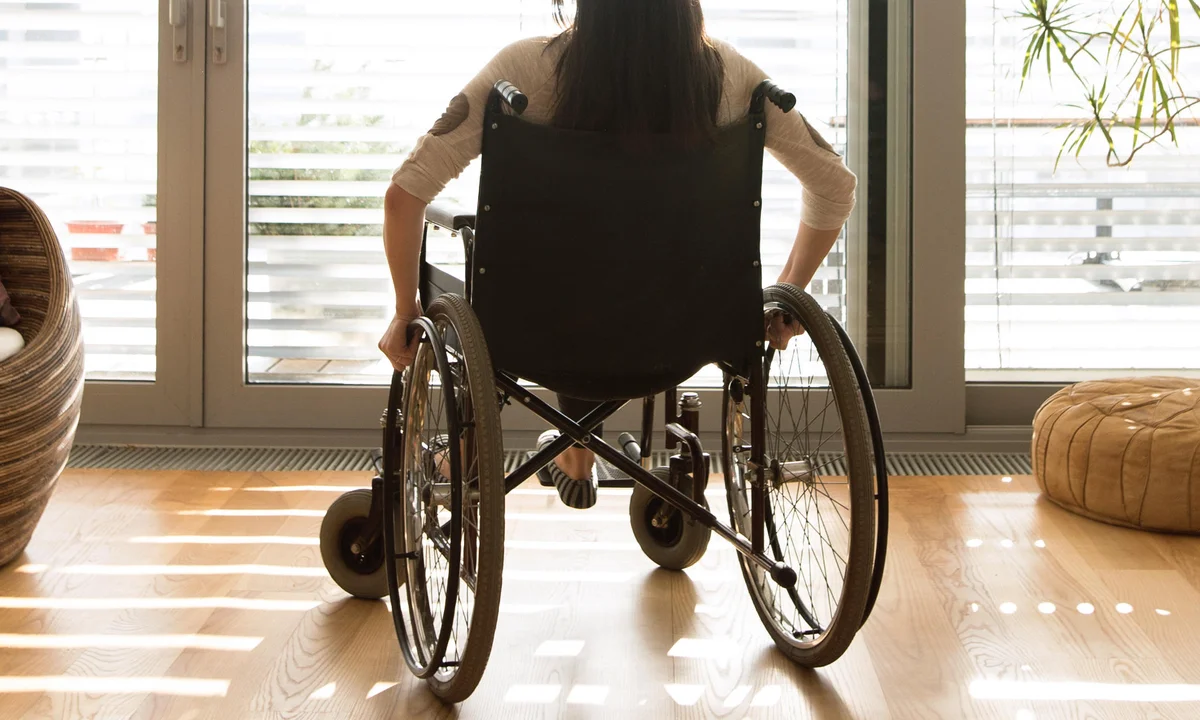
A Person Using a Wheelchair Who Values Independence
Imagine you use a powered wheelchair daily and you’re relocating for work. A standard rental unit might have narrow doorways, a small bathroom, steps, and an inaccessible kitchen. A wheelchair accessible apartment gives you clearance at entry, wide doorways, a roll-in shower, reachable counters, direct parking access, and smart home features (door lock via app, remote lighting). This solves the problem of mobility constraints in the home and ensures you can live independently.
Family Member with Mobility Needs in a Shared Household
Suppose a family member uses a wheelchair and you’re renting together. You need a unit with accessible bathroom(s), at least one bedroom on the accessible floor, and common spaces that allow manoeuvring. By leasing a wheelchair accessible apartment, you solve the issue of needing constant adaptation or caregiving simply to navigate daily life. Plus, everyone gets a better living environment.
Aging in Place or Future-Proof Rental
Even if you’re not currently using a wheelchair, you may want a rental that supports potential future mobility needs (aging, injury, health change). A wheelchair accessible unit provides that margin of safety and flexibility. This solves the problem of being forced to move when health changes or adapting g a non-accessible apartment later.
Tech-Savvy Renter Who Wants Accessible and Smart Features
If you value smart home integration and accessibility simultaneously, you’ll appreciate an accessible apartment with smart features (remote controls, voice-activated systems) designed for mobility-impaired users. This solves the problem of living in a “normal” rental that lacks both accessibility and modern tech convenience.
Summary
Finding and leasing the right wheelchair accessible apartment is a critical step to ensuring independence, mobility, and comfort. With the rightfeaturese wide doorways, roll-in bathrooms, clear access routes, reachable controls,l s ath modern technology integration, smart home features, energy efficiency, a nd and safety systems, you gain far more than a place to live. You gain a home aligned with your needs. Define your requirements, use specialist listings, inspect thoroughly, negotiate lease terms, and act quickly. Whether you’re a wheelchair user, planning, or sharing a household with mobility needs, accessible rentals solve real-life problems and upgrade your living experience.
Frequently Asked Questions
Q1: Are wheelchair accessible apartments more expensive than standard rentals?
A: Not necessarily. While some may carry a premium due to newer construction or specialised features, laws such as the Fair Housing Act in the U.S. prevent landlords from charging significantly more simply because of disability-accessible features. What matters most is supply and demand in your market.
Q2: Can I request modifications if the apartment is not initially fully wheelchair accessible?
A: Yes. Many jurisdictions allow tenants to request “reasonable accommodations” or modifications (e.g., grab bars, ramps) if they have a documented need. In many cases, the landlord must allow these modifications, though they may delegate cost or restoration obligations.
Q3: What key features should I check before signing a lease for a wheelchair accessible apartment?
A: You should check: entry route (no steps, threshold ramp), door widths (preferably 34-36+ inches), hallway and turn-space clearance in living spaces and bathrooms, roll-in shower or accessible bathtub, reachable kitchen counters/appliances, parking/van access if needed, smart or accessible controls (lights, doors, thermostat), building common area accessibility (elevator, laundry), and lease terms regarding modifications.