Green Roof Homes System – Complete Buyer Guide to Eco-Friendly Living Roof Solutions
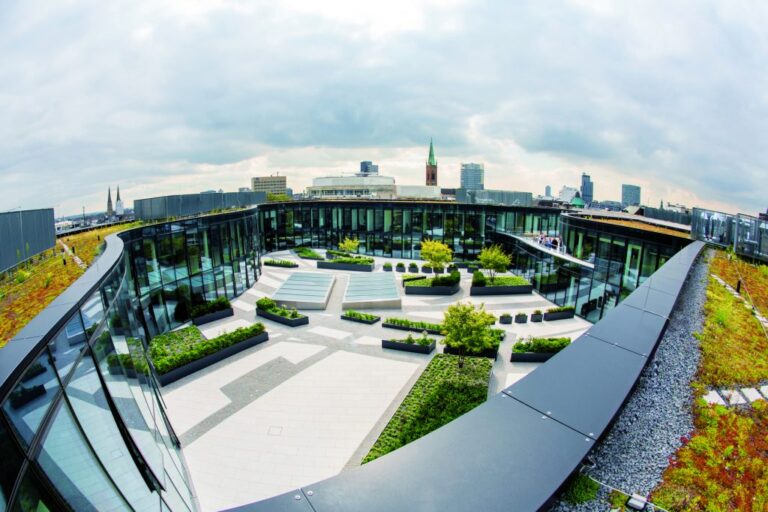
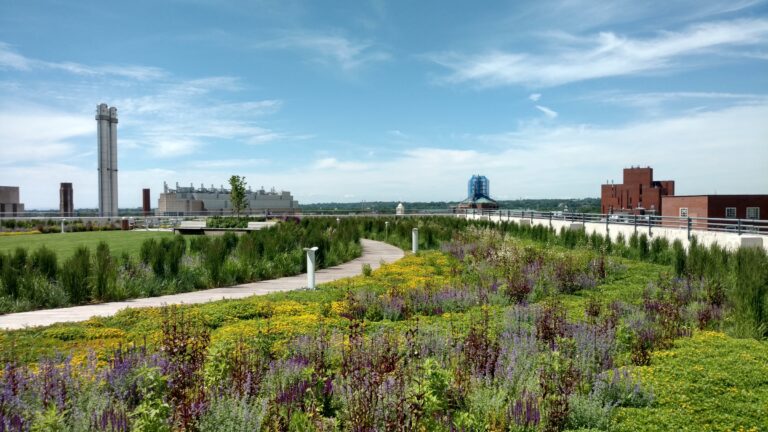
Green roof homes are redefining the future of residential architecture. What was once considered an experimental or luxury feature has become a practical and accessible housing solution for eco-conscious homeowners. A green roof is no longer just about aesthetics – it represents energy efficiency, water management, and climate resilience built into the very structure of your home.
The Green Roof Homes System is a complete, engineered solution that allows vegetation to grow safely and efficiently on rooftops. These systems use advanced materials, drainage technology, and plant science to transform a roof into a living surface that improves performance, lowers costs, and enhances lifestyle quality.
This guide explains the technology, benefits, use cases, and real-world systems available today, including how to choose, install, and maintain the right green roof system for your home.
What Is a Green Roof Homes System
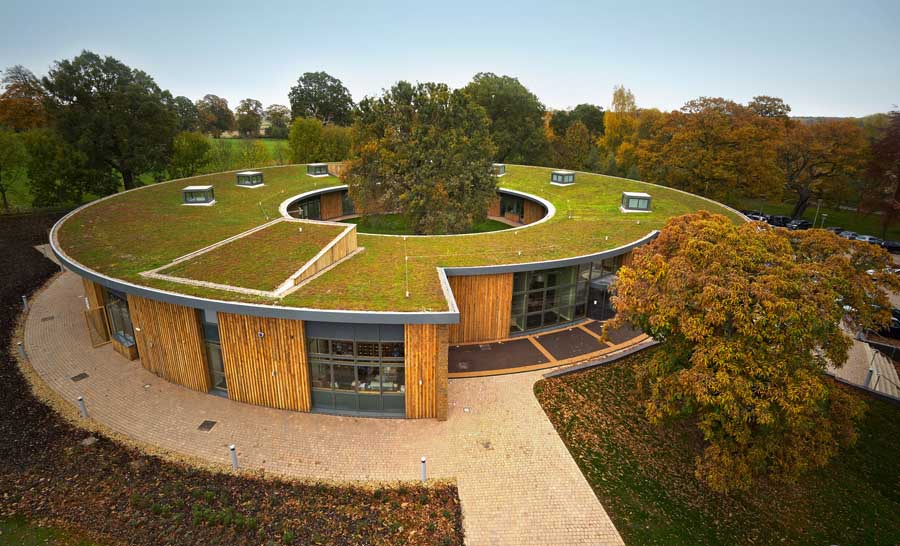
A Green Roof Homes System is not a garden placed on top of a house. It is a professionally engineered structure made up of multiple functional layers, each designed to support vegetation while protecting the building underneath. These layers include waterproofing membranes, root barriers, drainage systems, filtration layers, and lightweight growing media.
The system converts dead roof space into a usable living surface. Homeowners gain insulation, waterproofing protection, and natural beauty in a single structural solution. Unlike traditional roofing that reflects heat and sheds water, green roof systems absorb solar radiation and manage stormwater naturally.
These systems are carefully designed for residential safety, load management, and long-term resilience. Whether on flat rooftops or sloped surfaces, modern green roof systems are adaptable to a wide variety of home structures.
Why Green Roof Homes Are Transforming Residential Living
Conventional roofing contributes to rising temperatures, high energy bills, and environmental damage. Asphalt and metal roofs trap heat and produce strong thermal fluctuations inside homes.
Green roofs dramatically reduce surface temperature. Living plants cool the environment through natural evaporation while soil layers stabilize indoor temperatures. The result is improved comfort and lower energy usage.
Beyond temperature, green roofs actively filter pollution and absorb carbon. For homeowners in urban areas, this creates healthier living environments with improved air quality.
Real estate trends show that eco-certified homes sell faster and at higher values. A green roof is not just a feature; it is a long-term investment that increases property desirability and energy performance ratings.
Technology Behind the Green Roof Homes System
Waterproofing and Root Protection Technology
The foundation of every green roof is advanced waterproofing. A specialized membrane blocks water infiltration and protects the roof deck for decades. Root protection layers ensure vegetation never penetrates the roof structure.
Modern membranes are flexible, UV-resistant, and chemically stable. They continue performing even under extreme heat, heavy rain, and frost.
Without these protective layers, green roofs would be unsustainable. With them, homeowners gain peace of mind and durability unmatched by traditional roofing systems.
Drainage Control and Moisture Engineering
Green roofs manage rainwater differently. Drainage mats channel excess water away from the roof while storing moisture within the growing medium.
These systems protect the home from flooding, erosion, and water buildup. At the same time, stored moisture provides ongoing hydration to plants.
In cities prone to heavy rainfall, green roof systems significantly reduce runoff pressure, helping prevent infrastructure overload and basement flooding.
Thermal Insulation and Energy Control
A functioning green roof acts as thermal armor. Thick soil layers stabilize temperatures by buffering heat during the day and retaining warmth at night.
This reduces air-conditioning use in summer and heating in winter. Over time, homeowners notice a measurable difference in utility expenses.
Energy efficiency improves not from technology alone but from nature’s insulation properties working 24/7.
Structural Weight and Safety Design
Green roofs are engineered specifically for residential load requirements. Lightweight soil blends and modular tray systems reduce total mass.
Each design calculates water retention, vegetation weight, and climate stress to ensure the structure remains safe.
With professional engineering and correct installation, green roof systems are just as structurally sound as conventional roofs.
Benefits of Green Roof Homes Systems
Long-Term Energy Savings
A green roof lowers interior temperatures naturally, reducing reliance on mechanical heating and cooling systems. Over time, energy savings offset much of the installation cost.
Stormwater Absorption and Flood Protection
Vegetation absorbs rainfall directly from the roof surface. Excess water drains slowly through controlled channels. This helps homes in wet climates avoid water-related damage.
Healthier Living Environment
Plants clean the air by trapping dust and filtering pollutants. Homes feel fresher and quieter due to sound insulation created by soil layers.
Increased Property Value
Eco-friendly homes command higher market interest. A green roof dramatically improves curb appeal and sustainability ratings.
Roof Longevity
Green roofs protect membranes from ultraviolet rays and extreme heat exposure. This can double the lifespan of a roofing system.
Real-World Green Roof Homes Systems
OptiGreen Residential Green Roof System
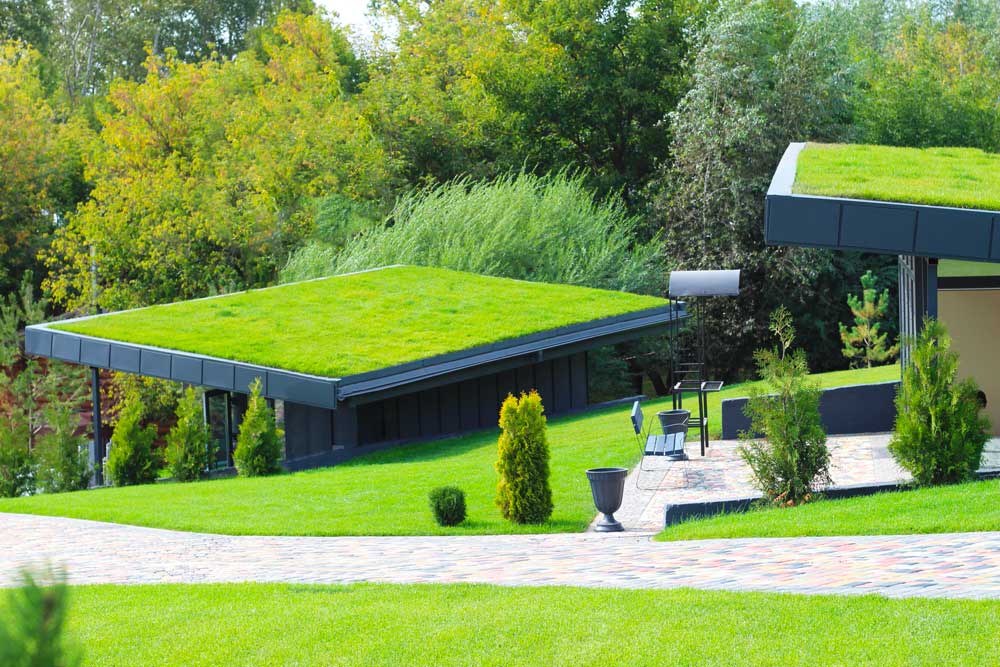
The OptiGreen system is a modular rooftop solution designed for residential use. It combines drainage elements, protective membranes, and vegetation layers into a complete kit. Its design allows customization based on climate, roof size, and plant selection.
Use Case: Homes requiring high engineering standards.
Why You Need It: Industry-proven durability and reliability.
Where to Buy: Architectural suppliers and roofing specialists.
ZinCo Green Roof System

ZinCo systems are engineered for challenging roof conditions, including slopes and heavy rainfall. It offers modular trays and stabilized planting surfaces.
Use Case: Slanted roofs and multi-level architecture.
Why You Need It: Storm resistance and advanced drainage control.
Where to Buy: Construction suppliers and eco-roofing consultants.
LiveRoof Residential System
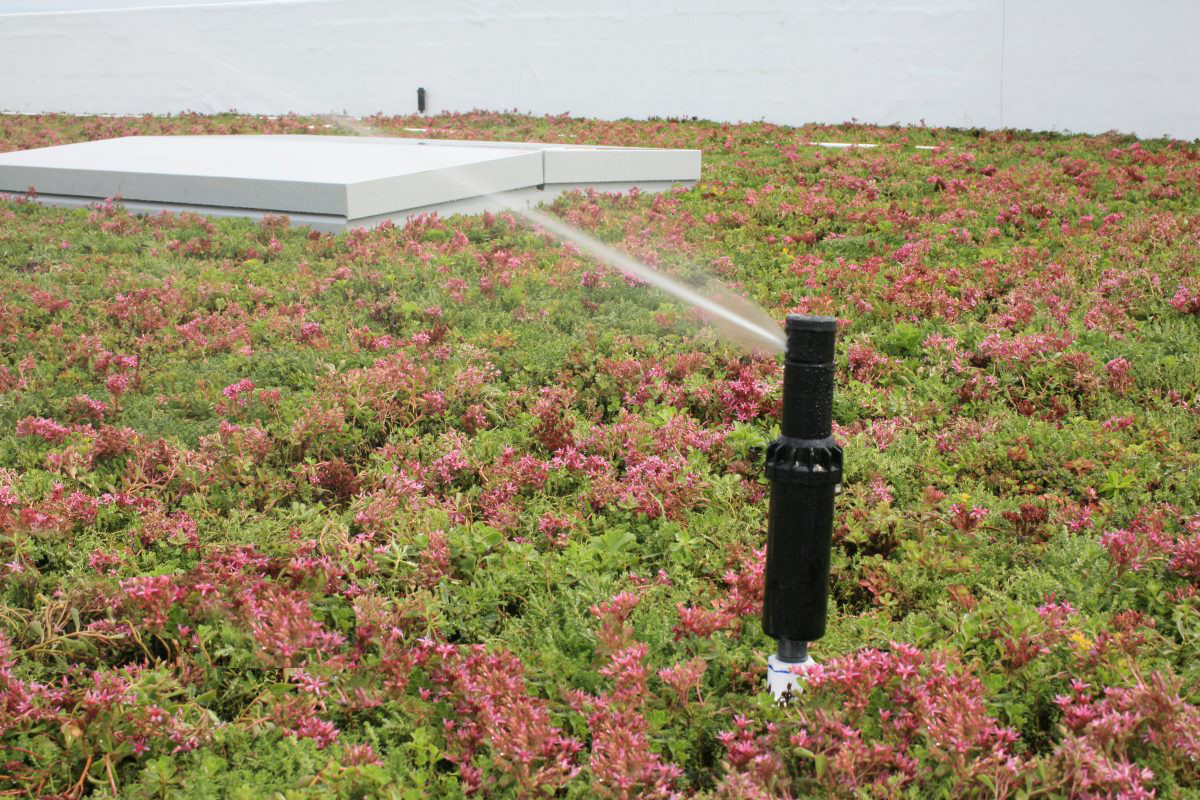
LiveRoof specializes in pre-grown green roof trays that deliver instant coverage. Instead of waiting for plant growth, your roof becomes green immediately.
Use Case: Homeowners seeking instant results.
Why You Need It: Mature plant installation without waiting.
Where to Buy: Landscape suppliers and sustainability specialists.
GreenGrid Modular Roofing System
GreenGrid offers lightweight modular systems with integrated irrigation compatibility. The design supports automation and urban sustainability.
Use Case: Smart green homes and energy-efficient houses.
Why You Need It: Water management and modular flexibility.
Where to Buy: Renewable building retailers.
Eco-Roofs Waterproof Membrane
This membrane serves as the foundation for green roofing safety. It prevents root intrusion and moisture damage.
Use Case: Retrofitting existing roofs.
Why You Need It: Long-term leak prevention.
Where to Buy: Roofing stores and eco-building distributors.
How to Build a Green Roof Home System
- Structural inspection
- Waterproof membrane installation
- Root barrier placement
- Drainage layer setup
- Soil application
- Plant selection
- Irrigation planning
- Maintenance planning
Where to Buy Green Roof Systems
- Eco construction suppliers
- Roofing professionals
- Landscape architects
- Sustainable housing providers
Only purchase certified systems with structural testing.
Frequently Asked Questions
Are green roofs suitable for residential houses?
Yes. With proper engineering, green roofs are safe and very effective for homes.
How much maintenance is required?
Minimal. Occasional watering, trimming, and seasonal checks keep systems healthy.
Do green roofs work in hot climates?
Yes. In fact, green roofs perform best where heat is a challenge.