Historical Landscape Architect Services – Simple Guide for Preservation and Restoration
A historical landscape architect is a professional who works to protect, restore, and manage outdoor spaces that have historical or cultural importance. These landscapes may include old gardens, public parks, historic estates, campuses, memorial sites, and cultural areas. Over time, these places can change or be damaged by weather, development, or poor planning. This is why historical landscape architect services are important.
This article explains historical landscape architect services in a clear and easy way. You will learn what these professionals do, why their services matter, the benefits they provide, real-world service examples, how technology helps their work, common use cases, and how people can choose and buy these services.
The Role of a Historical Landscape Architect
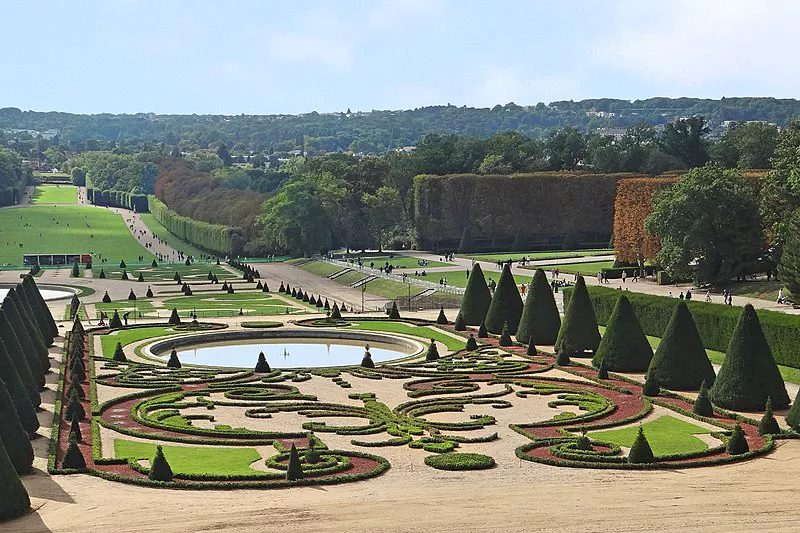
A historical landscape architect studies how a landscape was designed and used in the past. This work is not only about planting or decorating land. It focuses on understanding history, design intent, and cultural meaning.
These professionals study old maps, photographs, written records, and physical features on the land. They compare past information with current conditions. By using historical landscape architect services, owners and organizations can protect historic value while still allowing the landscape to function today.
Why Historical Landscape Architect Services Are Needed
Historic landscapes are living places. Plants grow old, materials wear out, and environments change. Without professional care, small changes can slowly erase history.
Historical landscape architects help prevent damage caused by incorrect repairs or modern landscaping trends. They help communities protect their heritage and identity. Their work also supports education, tourism, and long-term sustainability.
Using historical landscape architect services ensures that decisions are based on research and respect for history.
Main Services Provided by a Historical Landscape Architect
Historical landscape architects provide specialized services that are different from regular landscape design. Their work usually begins with research and documentation. These services help reduce mistakes and protect historic value for future generations.
Real-World Historical Landscape Architect Service Examples
Below are five real-world service examples related to historical landscape architect services. Each example explains the service, its benefits, and the problems it solves.
Historic Estate Landscape Preservation Service
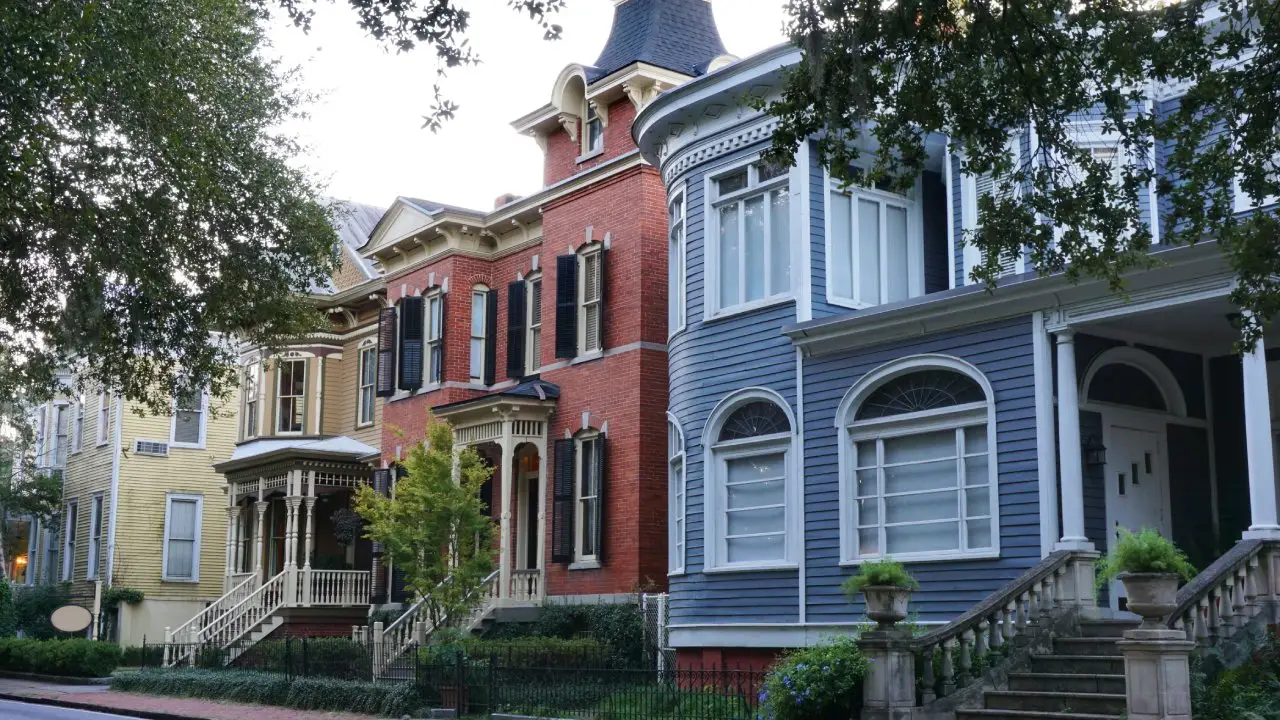
Historic estates often include formal gardens, stone paths, terraces, and old trees. Over time, these features may be changed or damaged.
A historical landscape architect studies original designs and materials, then prepares a preservation plan. This plan guides repairs, planting, and maintenance.
Benefits:
Helps keep the original character and beauty of the estate.
Use Case:
Solves the problem of losing historical identity due to small, unmanaged changes.
Historic Public Park Restoration Service
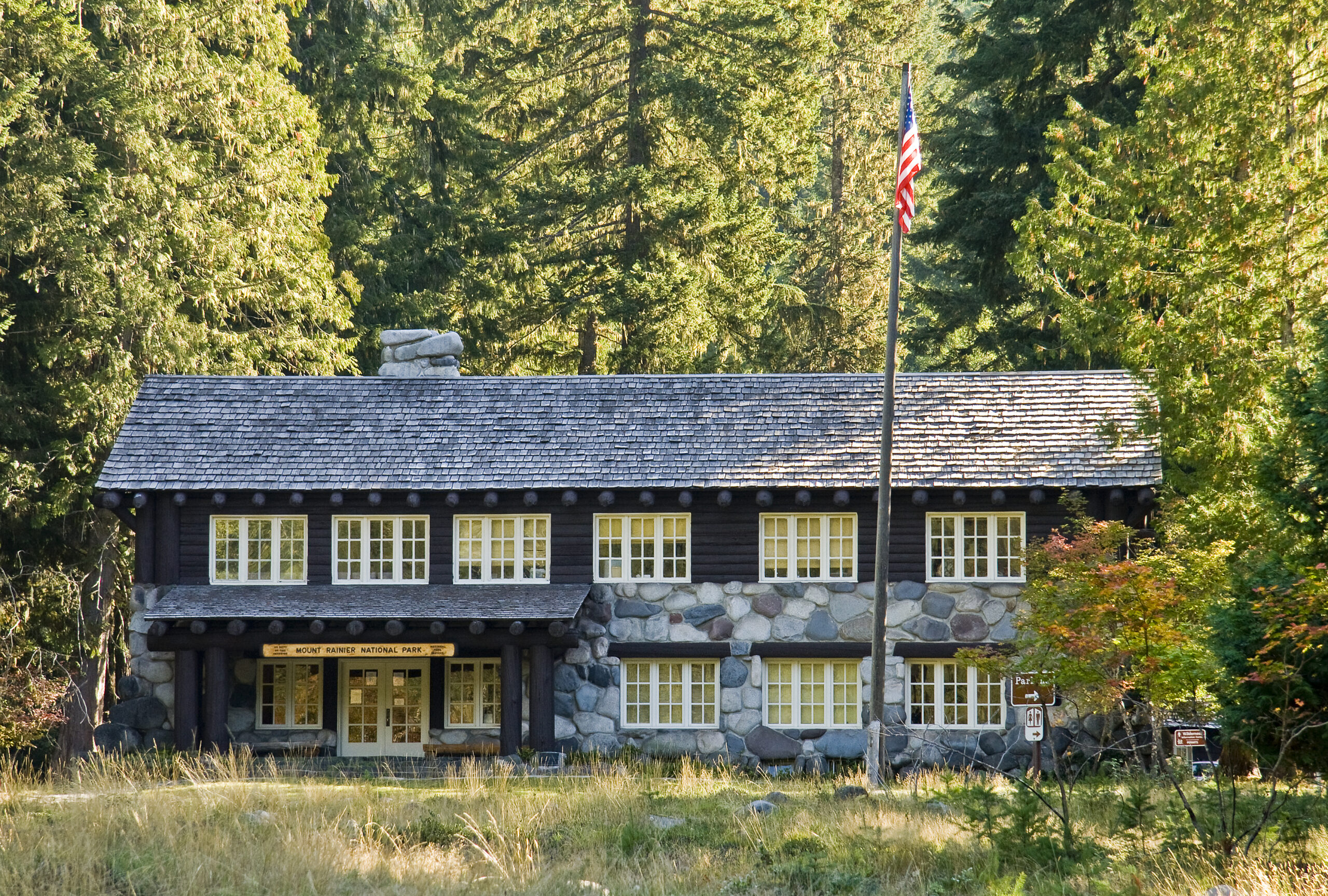
Many public parks were designed many years ago. Over time, paths may become unsafe, plants may disappear, and original layouts may be unclear.
A historical landscape architect restores important design features while improving safety and accessibility.
Benefits:
Protects historic design while making the park useful for modern visitors.
Use Case:
Solves conflicts between preservation and daily public use.
Historic Campus Landscape Planning Service

University campuses often contain historic open spaces that must support new buildings and more people.
A historical landscape architect creates long-term plans that guide growth without damaging historic character.
Benefits:
Supports development while keeping campus identity.
Use Case:
Solves planning problems between expansion and preservation.
Memorial and Cultural Landscape Service
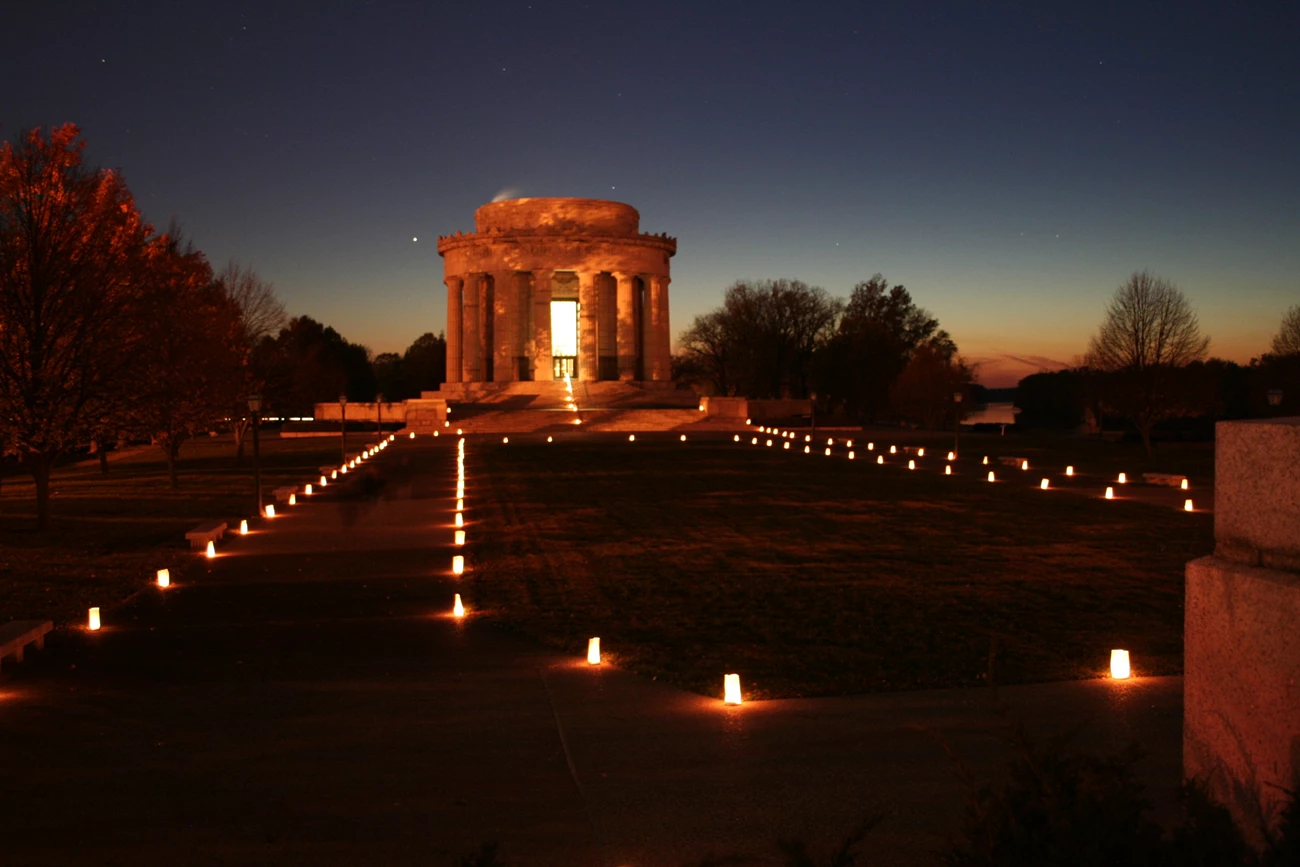
Memorial landscapes represent memory, loss, and shared history. Any changes must be handled carefully.
Historical landscape architects research original meaning and symbolism before guiding restoration or updates.
Benefits:
Protects dignity and cultural meaning.
Use Case:
Solves the risk of disrespectful or incorrect design changes.
Historic Garden Restoration Service
Historic gardens often lose original plants due to climate changes or poor maintenance. Replacement plants may not match the original design.
A historical landscape architect identifies correct plant types and layout while improving sustainability.
Benefits:
Preserves original beauty and design intent.
Use Case:
Solves problems caused by incorrect plant replacement.
Benefits of Technology Used by Historical Landscape Architects
Modern technology greatly supports historical landscape architect services. Digital mapping tools help track changes over time.
3D models allow professionals to test restoration ideas before construction begins. Environmental sensors help monitor soil, moisture, and plant health.
These technologies improve accuracy, reduce risk, and support long-term preservation planning.
Who Should Use Historical Landscape Architect Services
These services are useful for many groups. Government agencies use them to protect public heritage sites.
Universities, museums, nonprofit organizations, developers, and private property owners also benefit. Anyone responsible for a historic outdoor space needs expert guidance.
Problems Solved by Historical Landscape Architect Services
Many historic landscapes suffer from unclear history, poor maintenance, or development pressure. Historical landscape architects solve these problems through research-based planning.
They also help clients meet heritage laws and approval requirements. Without expert advice, projects may cause permanent damage.
Historical landscape architect services provide reliable solutions to complex challenges.
How to Choose a Historical Landscape Architect
Choosing the right professional starts with understanding your project goals. Look for experience in historic preservation.
Review past projects and confirm knowledge of heritage guidelines. Clear communication and planning steps help ensure success.
How Historical Landscape Architect Services Are Purchased
These services usually begin with an initial site visit or assessment. The architect then prepares a proposal based on project needs.
Pricing depends on project size, complexity, and historical importance. Services are customized rather than fixed.
Tips Before Starting a Historic Landscape Project
Document existing conditions before making changes. Avoid quick fixes that may cause long-term harm.
Work with professionals early to save time, cost, and historic value.
Frequently Asked Questions
What is a historical landscape architect?
A professional who preserves and manages landscapes with historical and cultural importance.
Why should I hire a historical landscape architect?
They provide expert research and planning that protect historic integrity.
Are these services only for large projects?
No. They can be used for small gardens, estates, parks, and large public landscapes.