Living Green System – The Ultimate Sustainable Lifestyle Solution for Modern Homes
Living Green System

Living green is no longer just a trend or environmental slogan. It has become a practical lifestyle shift driven by the rising cost of living, urban pollution, climate concerns, and the desire for healthier homes. People across the world are now adopting environmentally friendly systems not only to help the planet but also to increase comfort, efficiency, and long-term savings.
The Living Green System is a structured approach that allows homeowners and renters to transform their environment using technology, sustainable materials, and energy-efficient systems. Instead of focusing on inconvenience or sacrifice, this system focuses on potential—the potential to live healthier, spend less, and produce less waste without lowering quality of life.
Understanding the Living Green System
The Living Green System is not a single product. It is a collection of interconnected solutions designed to minimize waste, optimize energy consumption, improve air quality, and promote sustainable water management. It transforms homes into efficient ecosystems that serve their residents while minimizing environmental harm.
Where traditional homes consume resources passively, green systems are active. They monitor usage, reduce excess, and create intelligent environments that respond to real needs instead of wasting resources automatically.
This approach recognizes that environmental responsibility should not feel like extra work. Instead, it should feel like an upgrade.
Why Living Green Is Now Essential, Not Optional
Global energy costs continue to rise. Cities are experiencing worse air quality. Plastic pollution is reaching critical levels. Water shortages are becoming more frequent. These realities affect daily life directly, not just future generations.
Living green does not simply address environmental concerns — it solves modern lifestyle problems:
- Rising utility bills
- Unhealthy indoor air
- Toxic household chemicals
- Excessive plastic waste
- Uncontrolled power usage
When people switch to green systems, they are not just acting ethically — they are acting logically.
Green Technology That Powers the System
Smart Energy Management
Home energy usage is often chaotic and invisible. Living green introduces intelligence into electricity usage. Smart devices identify patterns, eliminate waste, and ensure energy is used only when needed.
This creates a measurable reduction in electricity usage without discomfort. Lighting is optimized, appliances work efficiently, and heat retention improves.
Water Efficiency Technology
Water-saving systems are no longer low-flow inconveniences. Modern technology controls pressure intelligently, reducing waste while preserving comfort.
Greywater recycling systems are also integrated in higher-end green solutions, allowing households to reuse safe wastewater for gardens or toilets.
Indoor Air Quality Innovation
Traditional homes trap air pollutants inside. Modern living green systems use filtration combined with air flow optimization to constantly refresh indoor environments.
Clean air technology removes allergens, bacteria, smoke, and harmful particles.
Sustainable Product Design
Living green also demands better materials. Products are created with renewable substances, recyclable components, and biodegradable packaging.
This eliminates environmental damage during both usage and disposal.
Key Benefits of Living Green
Lower Monthly Costs
Eco systems reduce electricity, heating, water, and waste management bills consistently.
Healthier Environment
Better air, safer products, and cleaner water improve physical well-being.
Reduced Stress
A clean and optimized home environment contributes to mental clarity.
Higher Property Value
Green homes attract buyers and renters who value sustainability.
Ethical Satisfaction
Living responsibly provides emotional fulfillment.
Real-World Living Green Technology Products
Residential Solar Power System
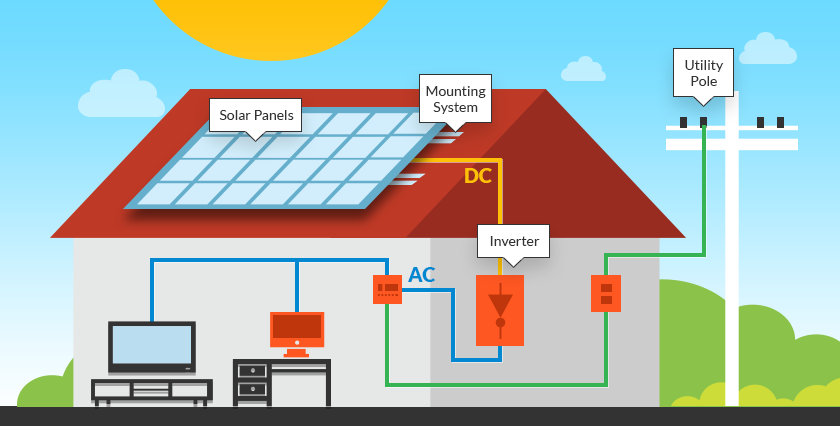
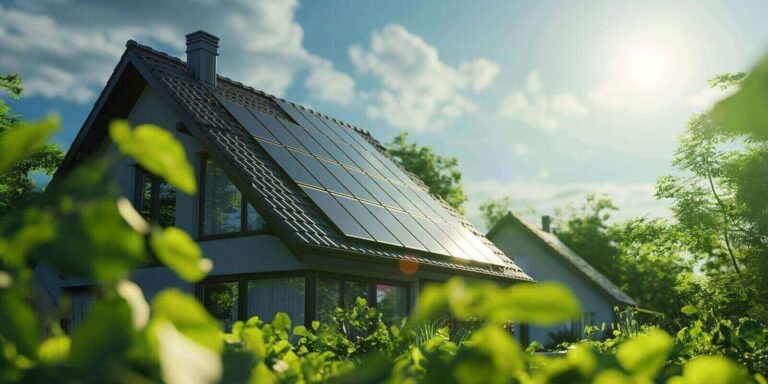
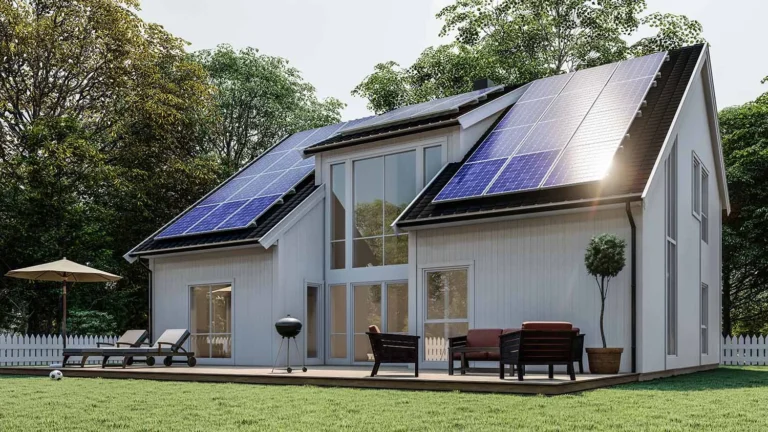
Solar energy systems convert sunlight into household electricity through photovoltaic panels installed on rooftops or nearby structures. These systems allow homes to rely less on traditional energy suppliers and reduce greenhouse emissions.
A properly installed solar system supplies power during daylight hours and often stores unused energy for later usage. This allows homes to maintain power even during grid failures.
Use Case: Homes with high energy consumption.
Problem Solved: Expensive electricity bills.
Why It Matters: Long-term independence from energy companies.
Smart Energy Monitoring System

Energy monitoring devices connect to the main electrical lines and provide real-time data on electricity consumption. This data shows exactly where power is being wasted.
The ability to track appliance usage changes behavior. When homeowners see energy loss visually, they naturally act to reduce it.
Use Case: Energy management for households.
Problem Solved: Invisible energy waste.
Why It Matters: Enables accurate consumption control.
Water-Saving Shower System

Modern low-consumption shower systems use internal optimization technology to reduce water usage by controlling pressure and flow direction.
Unlike older versions, current designs maintain water comfort while reducing consumption significantly.
Use Case: Everyday water efficiency.
Problem Solved: Excessive water usage.
Why It Matters: Conserves water and lowers bills.
HEPA Air Purification System
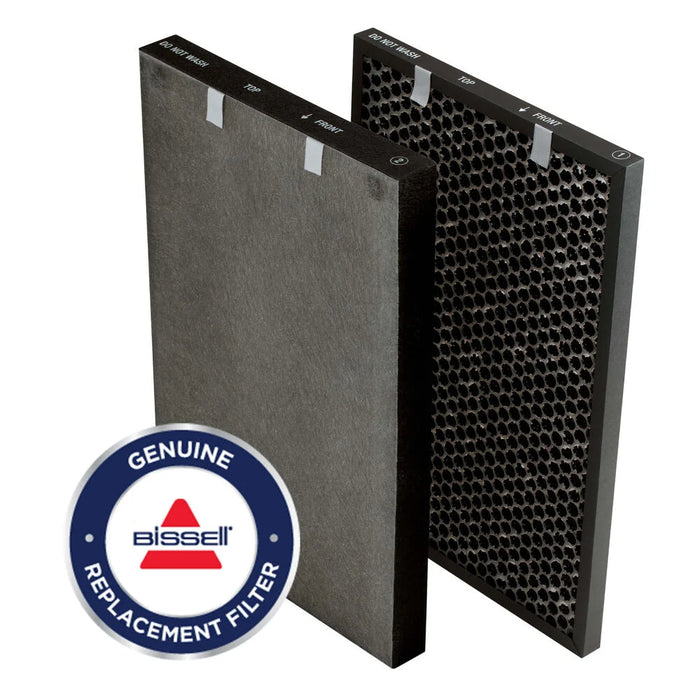
Air purification systems filter particles from the air using HEPA technology and carbon filtering. They eliminate bacteria, smoke residue, allergens, and microscopic pollutants.
This dramatically improves breathing quality, especially in urban environments.
Use Case: City apartments and houses.
Problem Solved: Poor air quality.
Why It Matters: Prevents long-term respiratory damage.
Refillable Home Cleaning System
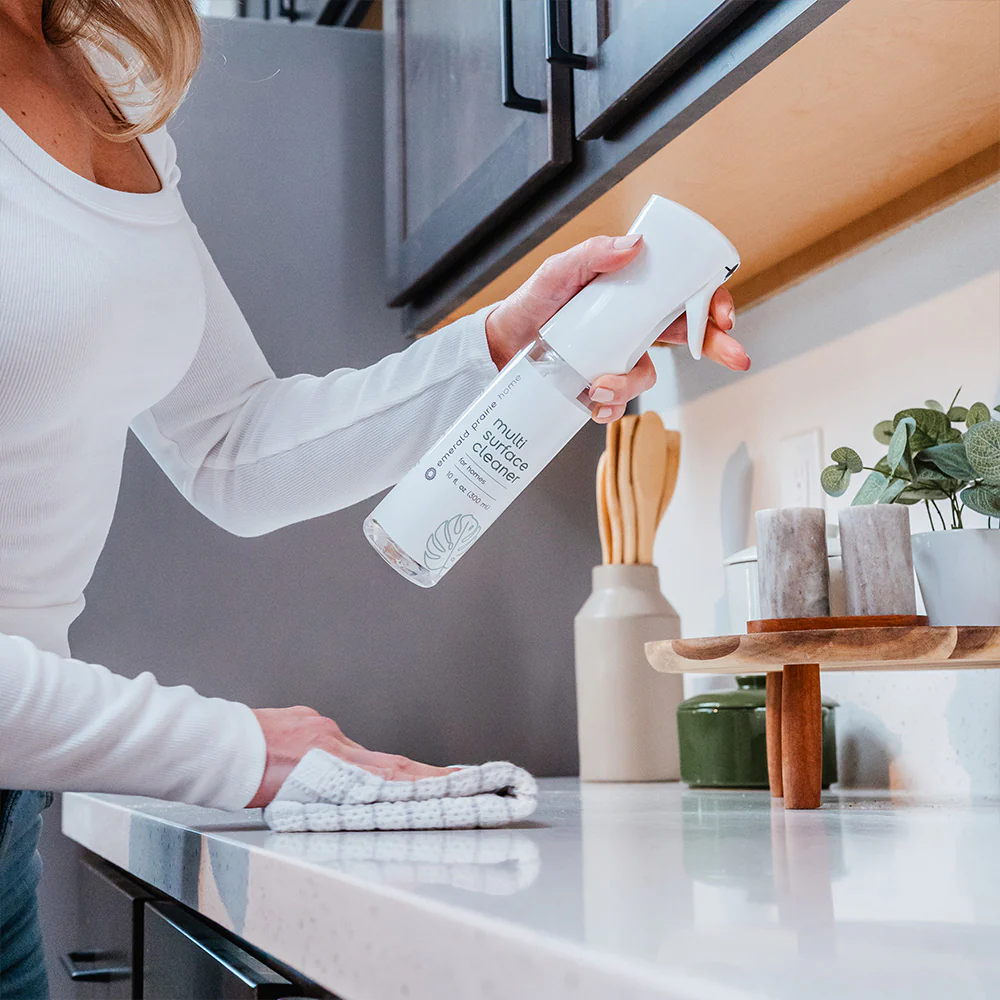
Traditional cleaning products generate plastic waste and expose users to toxic chemicals. Refillable systems use concentrated formulas that mix with water.
Refill-based cleaning dramatically reduces packaging waste and harmful substances.
Use Case: Eco-conscious households.
Problem Solved: Plastic waste generation.
Why It Matters: Creates a zero-waste cleaning routine.
Daily Use Cases of Living Green Systems
- Reducing power use
- Maintaining clean indoor air
- Eliminating plastic waste
- Lowering utility bills
- Improving health
- Managing water responsibly
Living green does not require perfection — only progress.
How to Get Started with Living Green
- Begin with lighting upgrades
- Install monitoring systems
- Switch cleaning supplies
- Reduce disposable plastics
- Replace inefficient appliances
- Consider renewable energy solutions
Small actions compound into permanent change.
Where to Buy Living Green Products
Authorized appliance retailers
Renewable energy installers
Home improvement stores
Eco-lifestyle marketplaces
Energy efficiency providers
Always check certifications, sustainability credentials, and warranty details.
Frequently Asked Questions
Is living green cost-effective?
Yes. The long-term savings on electricity, water, and medical costs often outweigh initial setup expenses.
Can renters adopt living green systems?
Yes. Many eco products are portable and do not require structural changes.
Are green systems hard to maintain?
No. Most systems operate automatically and require minimal maintenance.