Living Roof House System – Best Sustainable Roofing Solution for Modern Homes
Living Roof House System
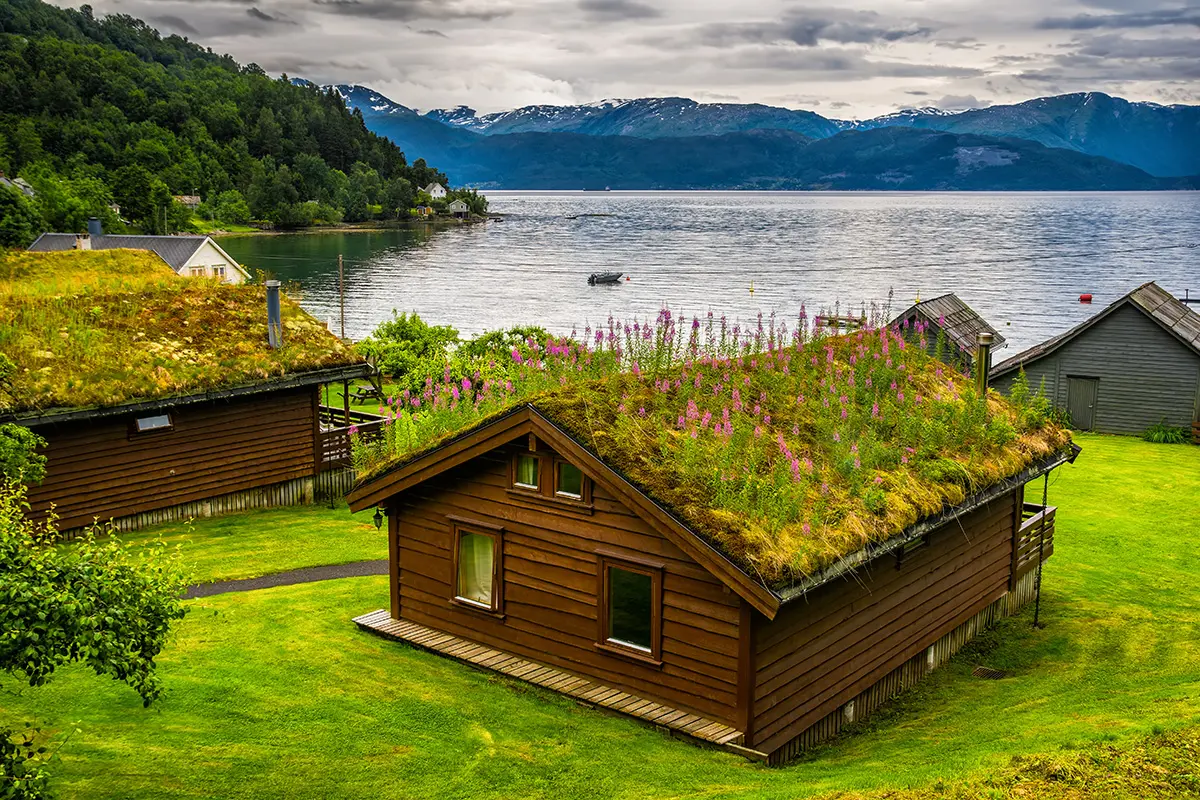
A living roof house represents a fundamental shift in residential construction. Instead of being a passive shelter, the roof becomes a living structure that filters air, controls temperature, and absorbs rainwater. This concept blends construction with ecology, turning a home into a functional environmental system.
The Living Roof House System integrates advanced waterproofing, drainage engineering, vegetation layers, and soil technology into one roofing solution. Rather than adding decorative plants, these systems are designed for long-term performance and structural integration. Homeowners benefit from lower energy costs, cleaner air, and a significantly extended roof lifespan.
This guide explains in detail how living roofs work, the technology involved, real product examples, benefits, use cases, and what to look for when buying a complete system.
What Is a Living Roof House System?
A Living Roof House System is a professionally engineered roofing unit that replaces traditional materials with a layered biological structure. Each layer is engineered for a specific function, such as waterproofing, drainage, root blocking, or temperature moderation.
Unlikemainly aesthetic rooftop gardens, a true living roof system becomes part of the building envelope. The vegetation plays a vital role in cooling the structure, while soil layers add insulation and acoustic protection.
These systems are not improvised. Materials are designed for high durability, weight management, and environmental performance. With proper installation, living roofs last significantly longer than standard roofing methods.
Why Living Roof Homes Are Becoming So Popular
Traditional roofs trap heat and shed water quickly, leading to energy inefficiency and stormwater overflow. In contrast, living roofs transform sunlight into cooling energy through evapotranspiration, a process in which plants release moisture, reducing temperatures.
Living roof houses also provide psychological benefits. Homes with visible greenery experience improved indoor comfort and mental wellness. The roof evolves with the seasons, creating a dynamic environment instead of dead surface space.
As governments adopt sustainability regulations, living roofs are also becoming a strategic housing investment. Eco-certified homes retain value better than conventional properties.
Technology That Powers a Living Roof House System
Waterproofing and Root Barrier Design
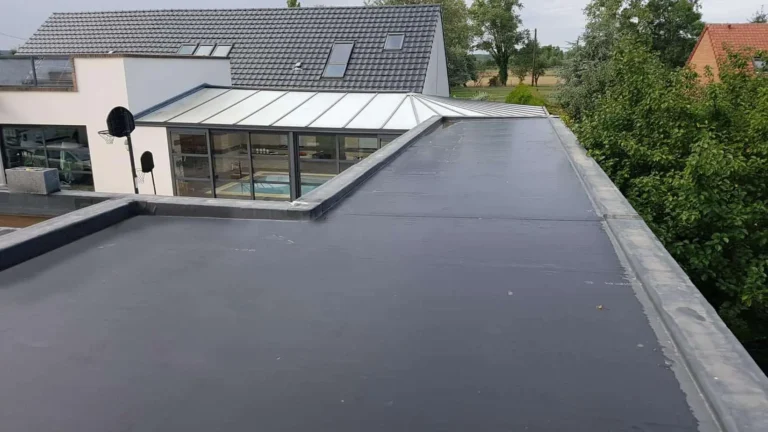
A living roof begins with a professional waterproof membrane. This layer protects the structural components of the house while allowing moisture systems above to function properly.
Root barriers made from industrial polymers stop vegetation roots from damaging the roof structure. This allows full plant growth without risk of leaks or ceiling deterioration. Proper waterproofing guarantees durability in extreme weather conditions.
Drainage and Moisture Optimization
Professional living roof systems use structured drainage layers. These allow excess rainwater to exit the system safely while storing enough moisture for plant survival during dry periods.
Micro-reservoir technology prevents soil dehydration without risking flooding. The system balances retention and release automatically. This method eliminates the need for daily watering.
Thermal Insulation and Climate Regulation
Living roofs add massive insulation properties to homes. Soil creates thermal resistance while plants reflect radiation. Homes remain cooler in summer and warmer in winter, reducing dependency on HVAC systems. This produces consistent comfort at a lower operational cost.
Structural Load Management
Modern engineered soil substrates are much lighter than natural soil. They are specifically formulated to hold nutrients and moisture without exceeding structural limits. Professional installers calculate saturation weights and weather exposure. This ensures long-term structural safety.
Benefits of Living Roof House Systems
Energy Savings
Lower heating and cooling costs due to natural insulation.
Water Control
Reduces runoff and prevents flooding.
Improved Air Quality
Filters pollutants.
Noise Reduction
Absorbs urban sound vibrations.
Environmental Contribution
Encourages biodiversity and carbon absorption.
Property Value Increase
Eco-friendly homes have higher resale potential.
Roof Longevity
Protects roofing layers from UV damage.
Real Living Roof House System Products
ZinCo Residential Green Roof System
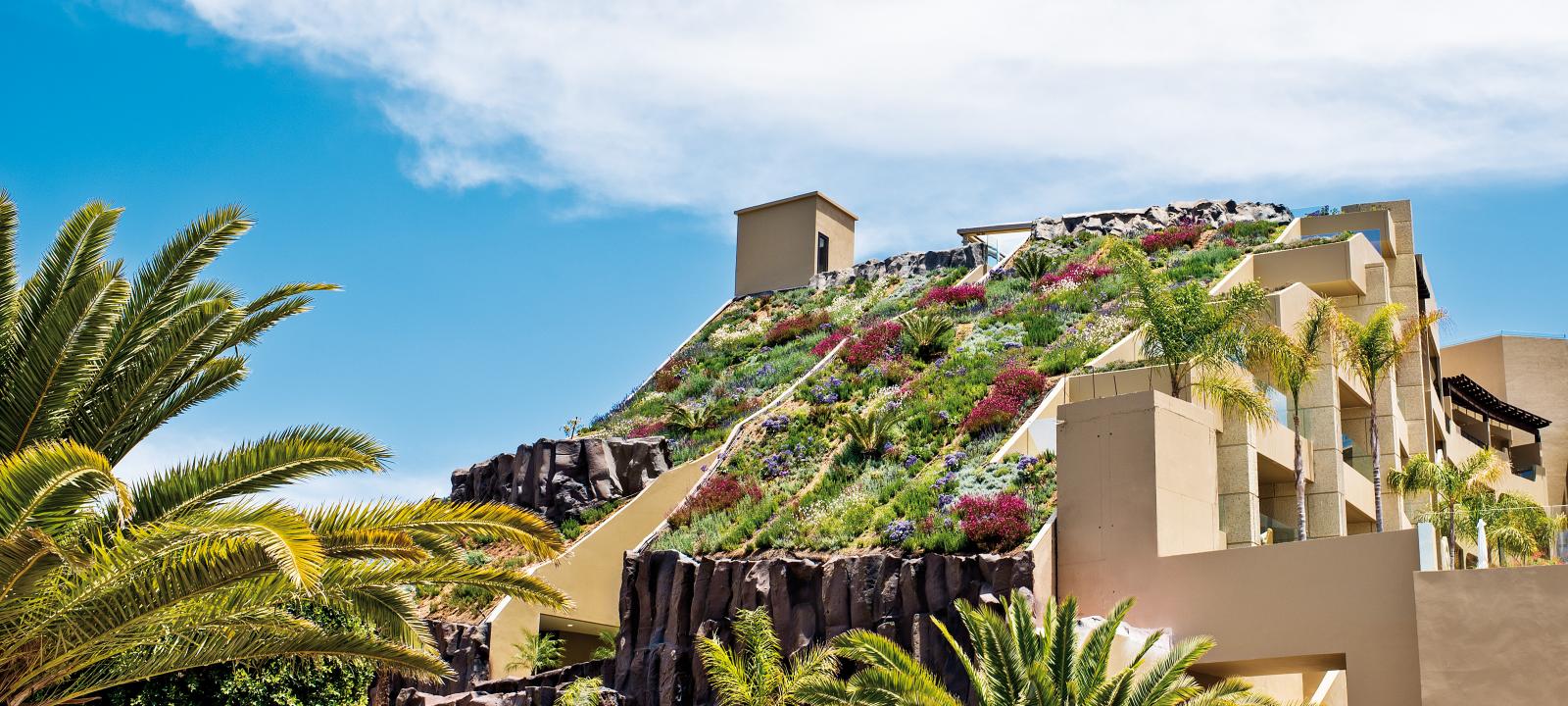
ZinCo systems are known for advanced drainage engineering and modular construction.
Use case: Ideal for rainy or sloped residential environments.
Benefit: Exceptional water flow control.
Problem solved: Water accumulation and plant stress.
OptiGreen Living Roof System

OptiGreen provides engineered components for long-term resilience.
Use case: New housing projects and renovations.
Benefit: High-level waterproof reliability.
Problem solved: Roof leaks and thermal instability.
LiveRoof Modular Tray System

LiveRoof installs pre-grown plant trays.
Use case: Homeowners who want instant greenery.
Benefit: Immediate aesthetic results.
Problem solved: Waiting periods for plant growth.
GreenGrid Modular Roof System
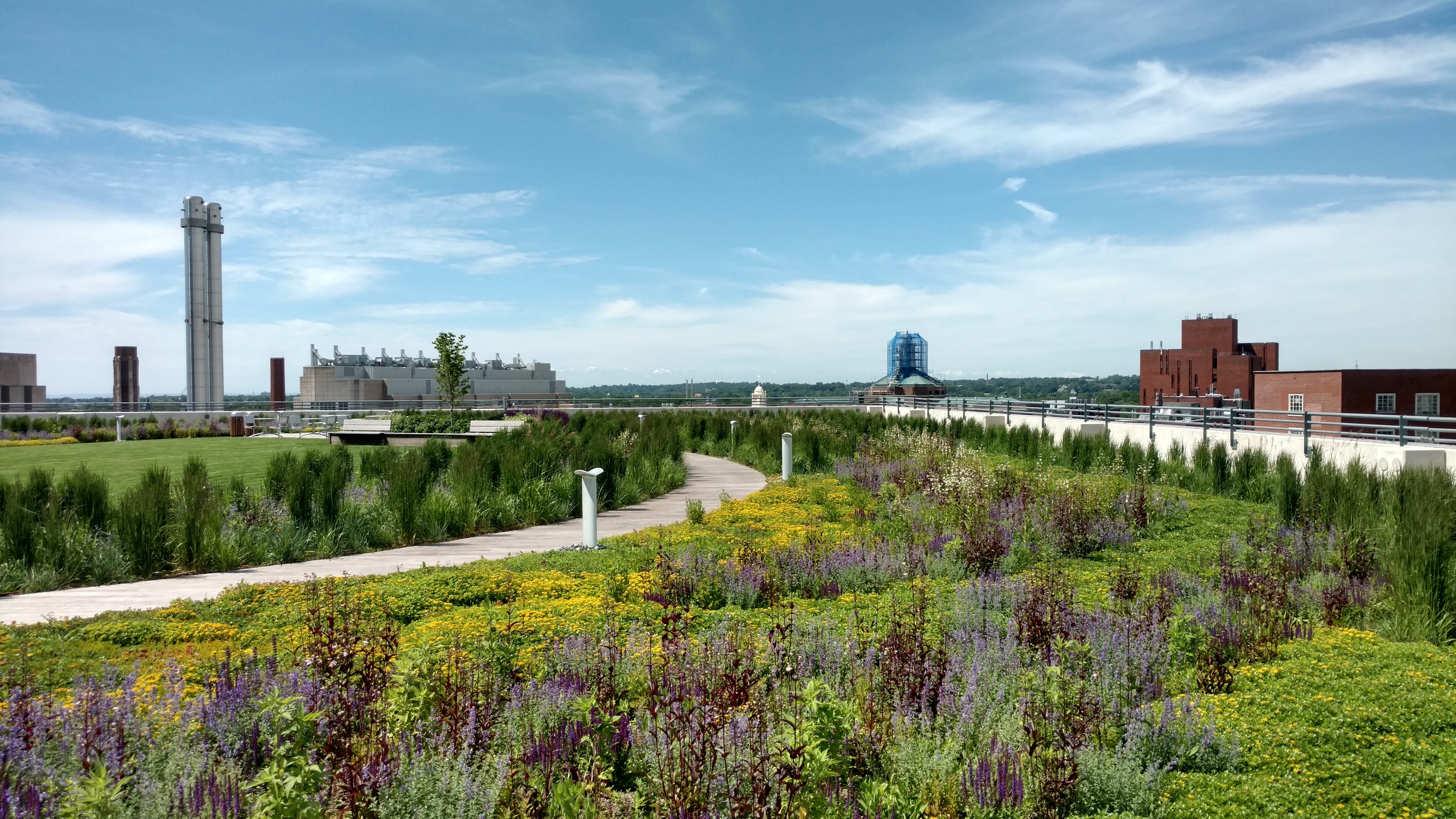
GreenGrid integrates efficient drainage and irrigation compatibility.
Use case: Smart homes requiring water management.
Benefit: Automated efficiency.
Problem solved: Inconsistent plant hydration.
Eco-Roofs Waterproof Foundation
This membrane ensures structural dryness beneath vegetation.
Use case: Roof upgrades.
Benefit: Moisture protection.
Problem solved: Interior water damage.
Use Cases for Living Roof Homes
- Reduces AC usage.
- Minimizes water runoff.
- Improves indoor air.
- Creates an outdoor relaxation space.
- Lowers long-term repairs.
- Strengthens sustainable construction rating.
How to Buy the Right Living Roof System
- Check roof load capacity.
- Hire certified installers only.
- Choose climate-appropriate vegetation.
- Demand full waterproof assurance.
- Evaluate irrigation integration.
- Compare system warranties.
Where to Buy Living Roof Systems
- Green roofing contractors.
- Eco construction companies.
- Sustainable architecture firms.
- Residential development suppliers.
- Avoid uncertified DIY kits.
Frequently Asked Questions
Do living roofs require daily care?
No. Most systems need seasonal inspections only.
Are living roofs leak-proof?
Yes, if professionally installed with certified membranes.
Can older homes install living roofs?
Yes, after structural evaluation.