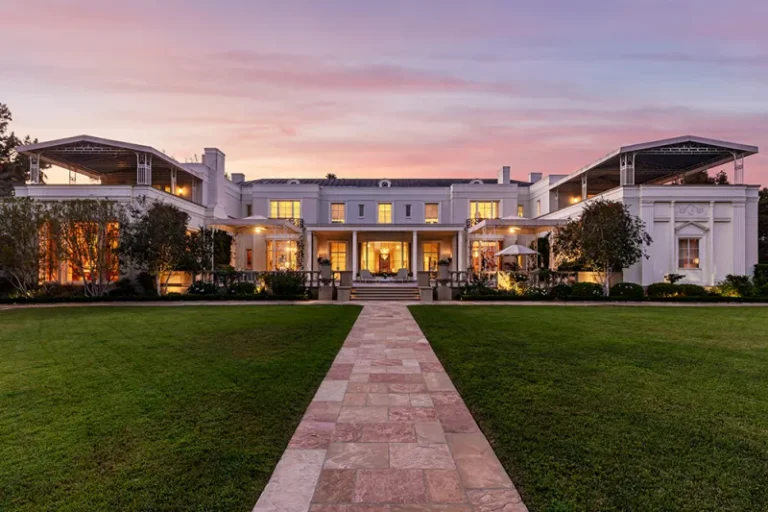
Ultimate Guide to Buying Luxury Houses – What to Know Before You Invest
Purchasing a luxury house is one of the most significant real estate decisions you can make. The phrase “luxury houses” attracts buyers who are ready to invest in homes with premium finishes, exceptional locations, advanced technology, and unique design. This article will guide you through what defines a luxury house, the benefits of buying one (especially with modern technology), real-world examples to illustrate the market, how to buy and where to find them, and finally, common FAQs.
What Defines a Luxury House?
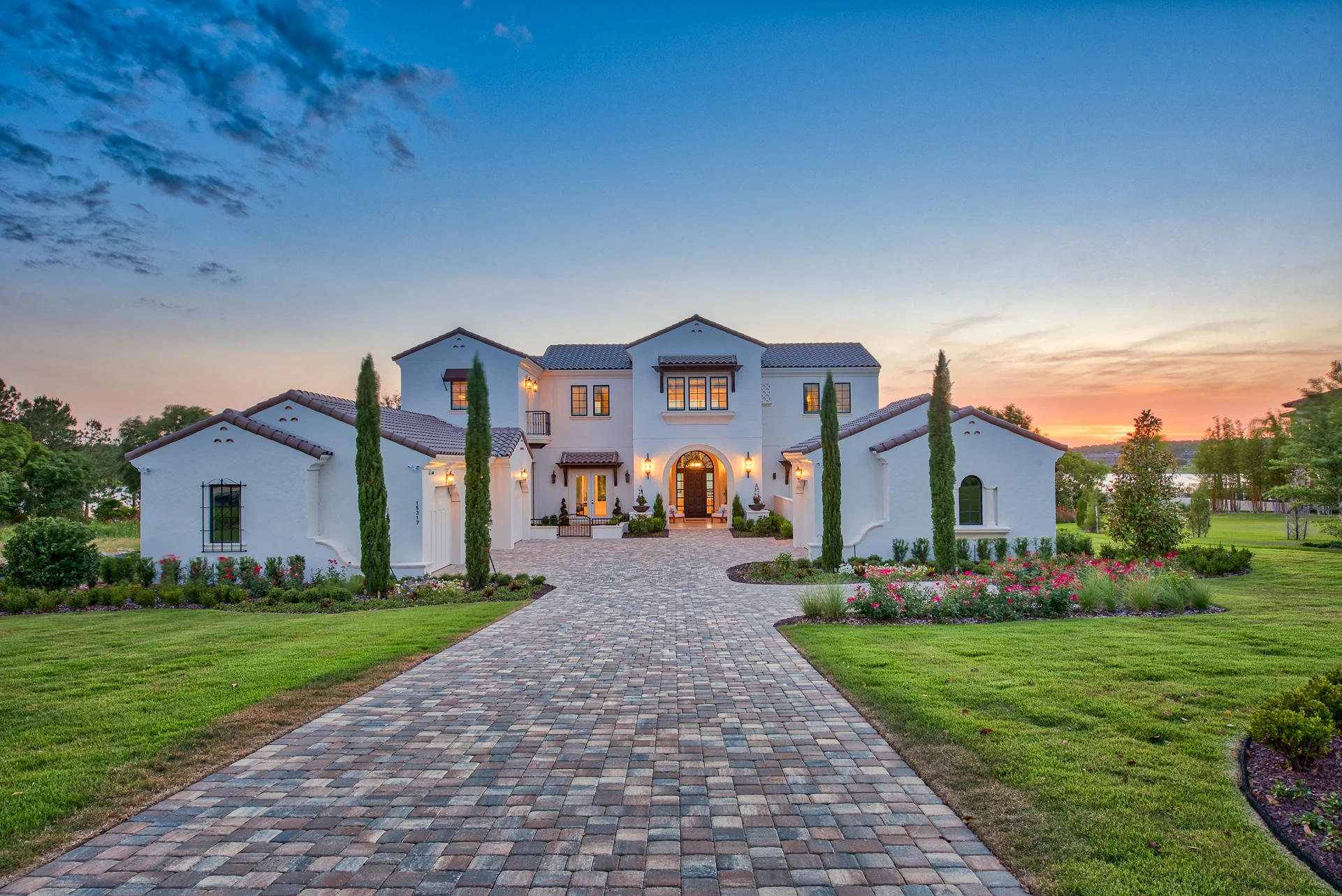
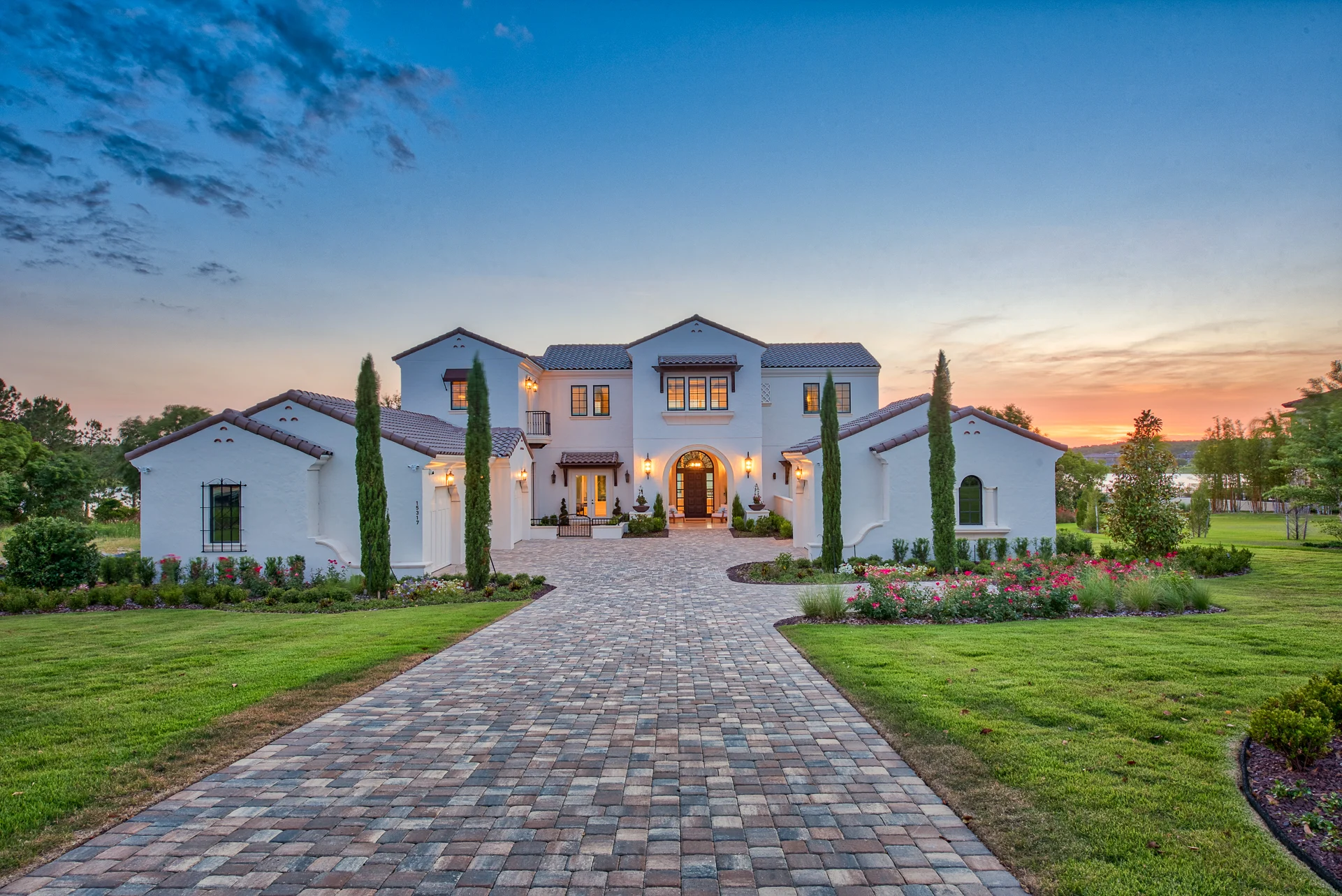
A luxury house is more than just a large home. It’s a residence that combines size with premium location, exceptional architectural design, high-end finishes, advanced systems, and often smart-home technology. According to industry insights, luxury homes now usually feature amenities such as multifunctional kitchens, indoor-outdoor living spaces, intuitive automation, and sustainability measures.
Typically, a luxury house will be in the top percentile of its local market in terms of price, square footage, materials, and amenities. Broadly, houses listed in the top 10% of prices in a region are often considered luxury homes.
In practice, when you’re looking at “luxury houses”, you’re looking for properties that offer a premium lifestyle, not just four walls and a roof. This includes factors like: a desirable neighbourhood, privacy, bespoke design, high-quality materials (stone, glass, wood), outdoor amenities (pool, garden, terrace), and modern systems (energy efficient, smart home, security).
Why Purchase a Luxury House?
Lifestyle Upgrade and Status
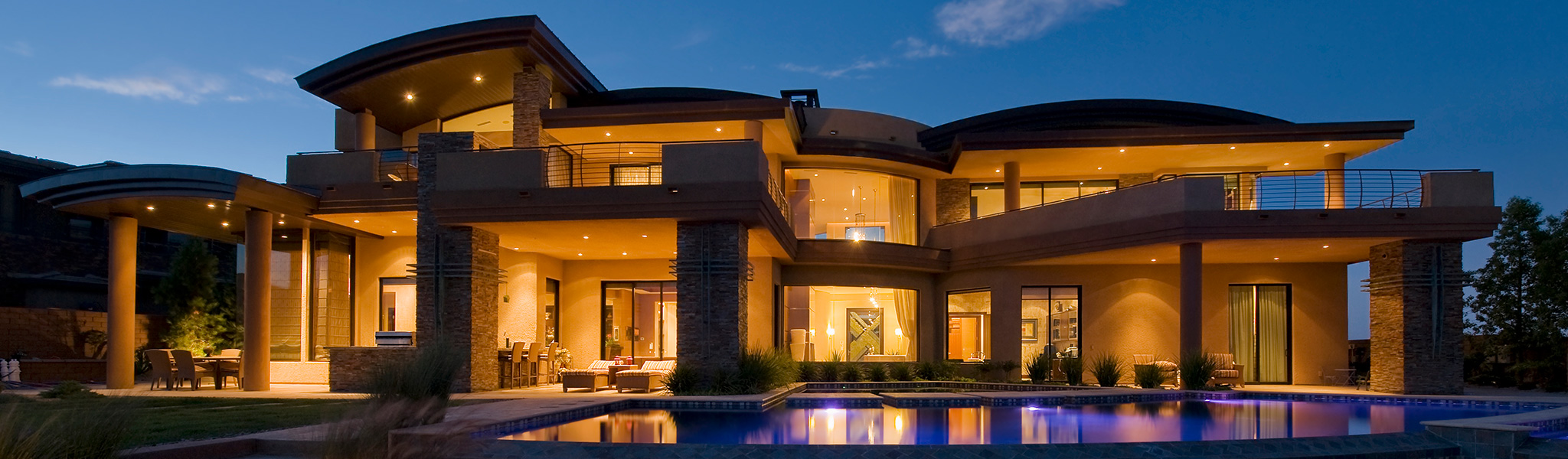
Owning a luxury house means stepping into a higher tier of living. From expansive grounds and architectural impact to luxury finishes and privacy, the house becomes more than a home; it becomes a statement. For many buyers, this solves the problem of settling for standard property options and instead aligns their living environment with their ambitions and lifestyle.
Luxury houses often provide features like grand entrance halls, multiple living zones, bespoke kitchens, outdoor entertaining areas, pools, guest houses, and high-end materials throughout. These features deliver a sense of exclusivity and comfort that standard homes cannot match.
Investment Potential and Long-Term Value
Luxury homes tend to hold value well, and in strong markets they can appreciate significantly. The premium materials, desirable locations, and limited supply of true luxury houses mean that these properties often outperform standard housing in value retention. When well selected, a luxury house solves the problem of trying to guess which property will appreciate, giving you a better chance of long-term stability and potential return.
Modern Technology, Efficiency, and Comfort
Today’s luxury houses incorporate advanced technology: smart home automation, energy-efficiency systems, high-performance glazing, integrated security, and connectivity. These systems solve many problems: high utility costs, inefficient space, outdated infrastructure, and lack of comfort. For example, luxury house features now include “intuitive technology, spacious gathering areas, indoor-outdoor living rooms,” and sustainability upgrades.
By buying a luxury house equipped with these modern systems, you get not just a beautiful home but one that is future-proofed, efficient, and tailored to the needs of 21st-century living.
Real-World Examples of Luxury Houses
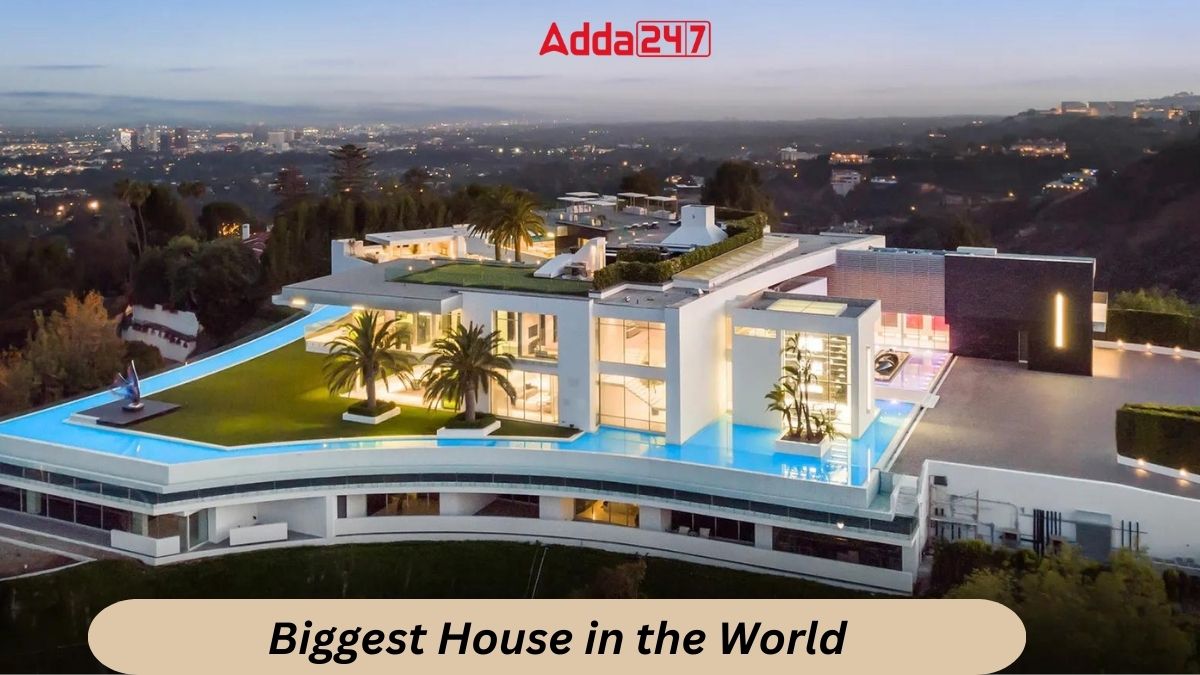
Here are real-world luxury houses that illustrate what this market looks like across geographies. Each includes detailed information on the property, what makes it unique, and what you can learn from it.
Example 1: Palazzo di Amore, Beverly Hills, California
This ultra-luxurious property is a prime example of the high-end market in the United States. The palace spans over 53,000 sq ft, includes a 12-bedroom main suite, 25 bathrooms, a 15,000 sq ft entertainment centre with bowling alley, a 24-car garage, a vineyard on 25 acres, and a 150-person infinity pool.
What you can learn: This property illustrates extreme scale, bespoke amenities, and exclusivity. For many buyers of luxury houses, the value lies not just in size but in a unique experience, such as vineyards, guest houses, and entertainment facilities.
>Use case / Problem solved: For ultra-high-net-worth individuals seeking privacy, space for entertaining, a luxury lifestyle, and asset diversification, this property checks all boxes. It solves the problem of standard luxury homes being too conventional or lacking bespoke features.
>Why someone would use it: To live in a property that is a statement piece and an asset, not just a home.
Example 2: European Luxury Estates Spain & Italy
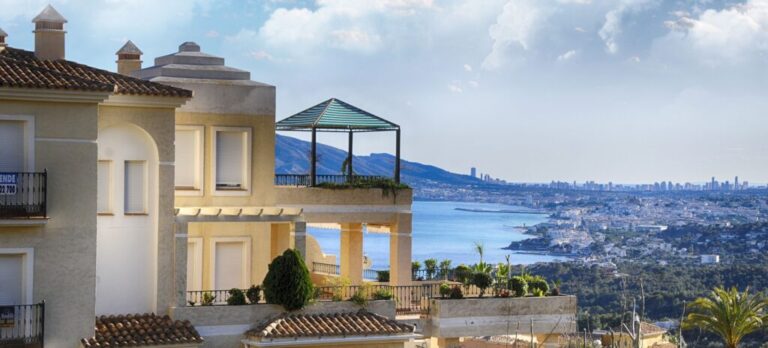
In markets such as the Spanish countryside and Tuscany, luxury houses come with heritage, large land parcels, panoramic views, and a blend of classic architecture with modern amenities. For example, in regions around Seville or Florence,e you’ll find country houses and fincas with historic architecture, large gardens, and high-end restoration.
What you can learn: Luxury houses are not just urban mansions, they can be heritage estates in scenic locations offering lifestyle, vi,ews and prestige.
>Use case / Problem solved: An international buyer looking for a lifestyle change, vacation, home, or rental investment might choose these properties to solve problems of urban crowding, lack of pr, and need for a unique setting.
Why someone would use it: For the combination of luxury living, cultural significance, and potential rental/investment upside.
Example 3: Luxury Coastal & Waterfront Houses in Australia
Insert image of the product (luxury house, Australia, a waterfront)
In Australia, luxury houses are often found on the coastline or in affluent suburbs. For instance, the high-end segment may include modern mansions with large glass façades, coastal views, expansive indoor-outdoor living, and high-end finishes. Reference material indicates coastal homes and mansions in Western Australia and Queensland form part of the luxury market.
What you can learn: Location matters greatly in luxury hou,ses from waterfront to scenic suburbs. The market values views, access to nature, and lifestyle amenities.
Use case / Problem solved: Buyers wanting not just a luxurious interior but a premium location (views, access to beach, outdoor living) can choose these houses to achieve a holistic luxury lifestyle.
Why someone would use it: To enjoy a premium home in a desirable location, with high-end design and comfort.
Example 4: Architectural Statement Houses Around the World
Insert image of the product (luxury house architectural design)
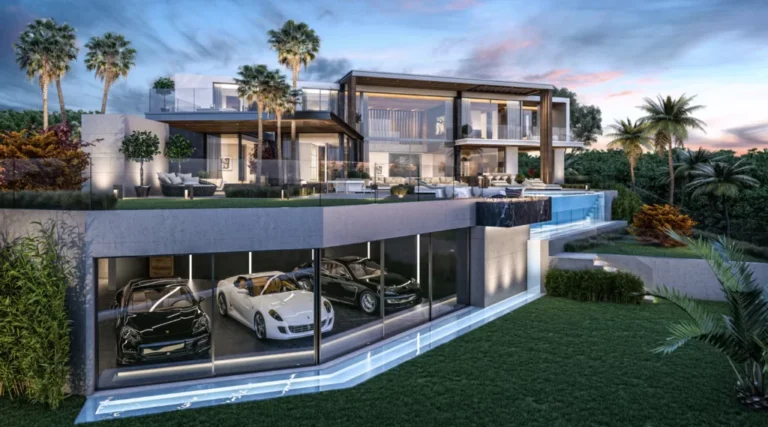
Luxury houses increasingly emphasise architecture, design innovation, and unique materials. According to design insights, luxury home features now include spa-like bathrooms, indoor-outdoor living rooms, smart home automation, and eco-friendly systems.
What you can learn: Buying a luxury house is as much about design and technology as size or location. The market values innovation in form and function.
>Use case / Problem solved: For buyers who want something unique and custom rather than standard luxury homes, these properties solve the problem of cookie-cutter upscale homes.
>Why someone would use it: To own a home that stands out architecturally and technologically, increases pride of ownership, and potential investment differentiation.
Example 5: Emerging Luxury Houses in Premium Asian Markets
High-end houses in Asian markets such as Hong Kong or Mumbai incorporate luxury finishes, premium locations, and demand from ultra-wealthy buyers. An example is the development project in Mumbai for luxury duplex homes of 7,500 to 11,500 sq ft in a prime location.
What you can learn: Luxury houses are global; in emerging or high-growth markets, they may deliver high upside for buyers willing to invest in prime real estate.
>Use case / Problem solved: For global investors wanting geographic diversification and access to luxury property markets outside their home country.
Why someone would use it: To own a luxury house in a booming region, combining prestige, investment potential, and lifestyle.
Benefits of Buying a Luxury House With Modern Technology and Premium Features
Efficiency, Smart Systems & Long-Term Value
Luxury houses equipped with smart home systems (automated lighting, climate control, security, integrated entertainment) and energy efficiency features (solar panels, high-performance insulation, sustainable materials) provide real benefits. Homes with these features reduce long-term cost, improve comfort, and attract quality buyers/residents. The problem of high utility bills and outdated systems is solved by modern design.
Premium Lifestyle and Future-Proofing
Investing in a luxury house with state-of-the-art systems means you are prepared for future trends in living. Smart homes are increasingly in demand and provide flexibility through remote access, home automation, and enhanced security. This solves the problem of legacy homes quickly becoming obsolete.
Investment Strength and Market Differentiation
In the luxury segment, houses with premium features stand out and maintain desirability. This makes resale or rental easier. The problem of market stagnation or depreciation is mitigated by superior features and materials.
Comfort, Health & Customisation
Luxury houses often incorporate wellness features: home gyms, spas, indoor-outdoor living, high ceilings, natural light, and integrated technology for comfort. These features solve the problem of homes being built purely for cost rather than quality of life. For the owner, it means living better, healthier, and more comfortably.
How to Buy & Where to Find Luxury Houses
Step 1: Define Your Criteria and Budget
Begin by clarifying what “luxury” means to you: number of bedrooms, square footage, neighbourhood quality, design quality, outdoor space, smart home features, architectural style, and projected appreciation. Determine your budget, including purchase price plus ongoing maintenance and upgrades.
Step 2: Search Specialist Listings & Engage Experts
Use luxury real-estate agencies and platforms that specialise in high-end homes. For example, listings of international luxury homes available through premium brokers. sothebysrealty.com Contact dedicated luxury property advisors rather than standard brokers. Ask for off-market opportunities, a customised search based on your criteria.
Step 3: Inspect and Review Property Thoroughly
Luxury houses require more due diligence: assess structural condition, design and finish quality, smart-home systems, sustainability features, landscape, outdoor amenities, location, privacy, views, services (concierge, security). Ask about maintenance history, homeowners’ association rules, cost of running smart systems.
Step 4: Understand Purchase Process & Costs
In addition to purchase price, consider costs: taxes, maintenance (pool, garden, smart home tech), security, utilities, and insurance. If buying abroad, consider legal/financial implications (foreign ownership rules, currency risk, property taxes). Negotiate carefully and ensure you understand what you are paying for.
Step 5: Close the Deal & Plan for the Future
Once you decide, proceed with the contract, deposit, legal work, inspection, financing (if any), and plan for post-purchase (furnishing, smart home commissioning, landscaping). Consider your exit strategy (sell, hold, rent) and how the property fits your long-term goals.
Example Buttons (affiliate-style):
Explore Luxury Houses for Sale
Schedule a Viewing of Premium Homes
Contact Luxury Real-Estate Advisor
Where to Look
-
Established elite neighbourhoods in major cities (Los Angeles, New York, London, Dubai, Sydney).
-
Scenic luxury locations (coastal estates, countryside villas, mountain retreats).
-
Regions with rising demand for luxury homes (emerging markets, premium project developments).
-
Specialist luxury real-estate platforms and brokers.
Use-Case: Why You Need a Luxury House
Executive or Entrepreneur Seeking Exclusive Residence
If you’re a high-income professional or business owner, you may seek a residence that supports your lifestyle, privacy, status, and entertainer’s needs. A luxury house provides space for hosting, separate zones for work/life, top-tier materials, and amenities. It solves the problem of standard homes not matching your lifestyle demands and image.
Family Upgrading for Space, Schooling, and Comfort
For families wanting more space, better schools, safer neighbourhoods, outdoor areas, and a premium environment, a luxury house offers all of these. It solves the problem of being constrained by smaller homes or rentals and provides a long-term home with quality of life benefits.
Investor Seeking High-End Property Asset
If you view property as an investment, luxury houses are assets that often attract wealthy renters or buyers, have a lower supply, and may appreciate strongly. It solves the problem of saturated standard housing markets and gives you access to a premium segment.
Lifestyle Changer or Second Home Buyer
If you’re purchasing a home for a shift in lifestyle (retreat, vacation home, multi-generational living), a luxury house provides the environment to achieve that. It solves the issue of renting or staying in standard holiday homes and instead gives you a personal sanctuary built to your standards.
Summary
Buying a luxury house means more than acquiring real estate; it means embracing a lifestyle. With the right location, design, finishes, smart technology, a nd investment strategy, a luxury house can deliver both emotional and financial benefits. Ensure you define your criteria, use specialist channels, inspect properly, understand the full cost, and execute your purchase with clarity. Whether for family living, professional status, investment, or lifestyle upgrade, a luxury house is a powerful step.
Frequently Asked Questions
Q1: What price range defines a luxury house?
>>> A: While it depends on the local market, luxury houses typically sit in the top 10% of prices in a region. They combine high square footage, premium finishes, desirable location, and advanced amenities.
Q2: How important are smart‐home technologies in luxury houses?
A: Very important. Today’s luxury houses often include automation, energy efficiency, integrated systems, and intelligent design. These features enhance comfort, reduce long-term costs, and increase desirability.
Q3: Is buying a luxury house always a good investment?>>> >A: Not always automatically, but if you buy in a prime location with strong fundamentals, amenities, and design, the risk of depreciation is lower. Due diligence, market research, and quality of property matter greatly.