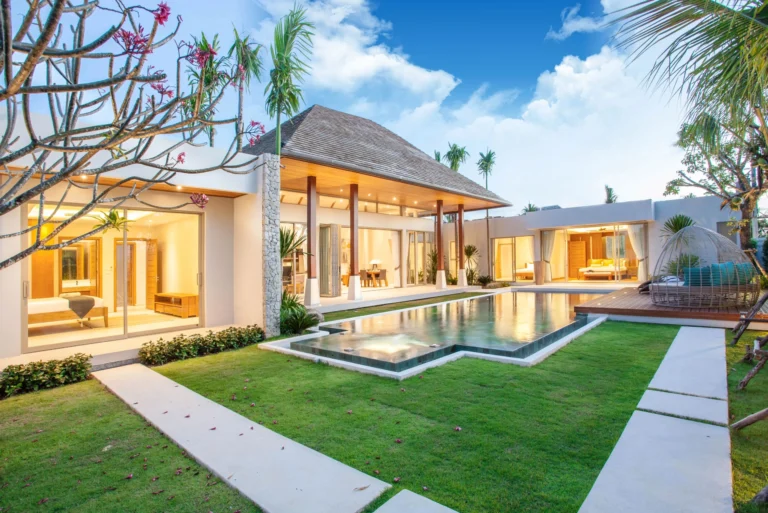
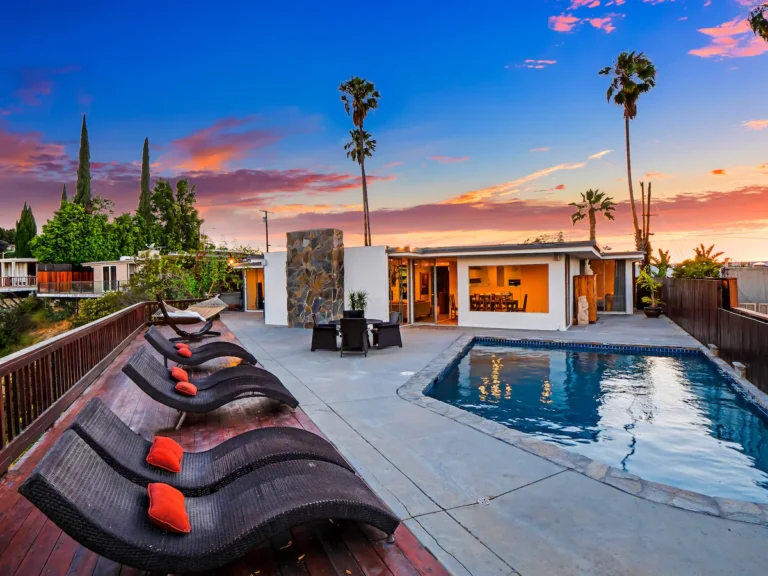
How to Participate in Sotheby’s Concierge Auctions: The Ultimate Guide for Buyers and Sellers
In today’s luxury real estate marketplace, the term “Sotheby’s Concierge Auctions” signals a specialised, global method for buying and selling ultra-high-end homes, one that differs significantly from traditional listings. Whether you are a buyer seeking exceptional properties or a seller looking to move quickly and decisively, this guide will walk you through everything you need to know: what the platform is, its benefits, real-world examples of properties sold through it, the role of technology, the buying and selling process, and practical FAQs.
What are Sotheby’s Concierge Auctions and why do they matter

Understanding the platform
Insert image of the product format
Sotheby’s Concierge Auctions is the leading global luxury real estate auction marketplace, created to match sellers of one-of-a-kind properties with capable buyers via an accelerated and highly-exposed auction process.
Founded in 2008 as Concierge Auctions and rebranded after acquisition by Sotheby’s and Anywhere Real Estate Inc. (formerly Realogy) in November 2021, the company operates across dozens of countries and U.S. states and focuses on ultra-luxury properties.
Unlike standard real estate listings, the auction model emphasises speed, exposure, and certainty for sellers and access for buyers to curated, rare properties. For the seller, the promise is: what might take years to sell can be closed in as little as 30 days.
Why the auction model matters in luxury real estate
Luxury homes face unique challenges: a limited buyer pool, unique and bespoke features, high marketing costs, and often long times on the market. The Sotheby’s Concierge Auctions model addresses these by offering global reach, digital bidding, and a defined closing timeframe.
For buyers, accessing this platform means opportunities to bid on extraordinary homes that may not be broadly marketed or found through traditional real-estate channels. For sellers, the auction adds a competitive bidding environment, which can stimulate higher sale prices and faster closure.
Moreover, the association with the Sotheby’s brand confers prestige and a trust factor, especially for ultra-high-net-worth individuals accustomed to fine-art or luxury-good auctions. The model also leverages technology to bring bidders from across the world into contests for rare properties.
Key benefits for buyers and sellers
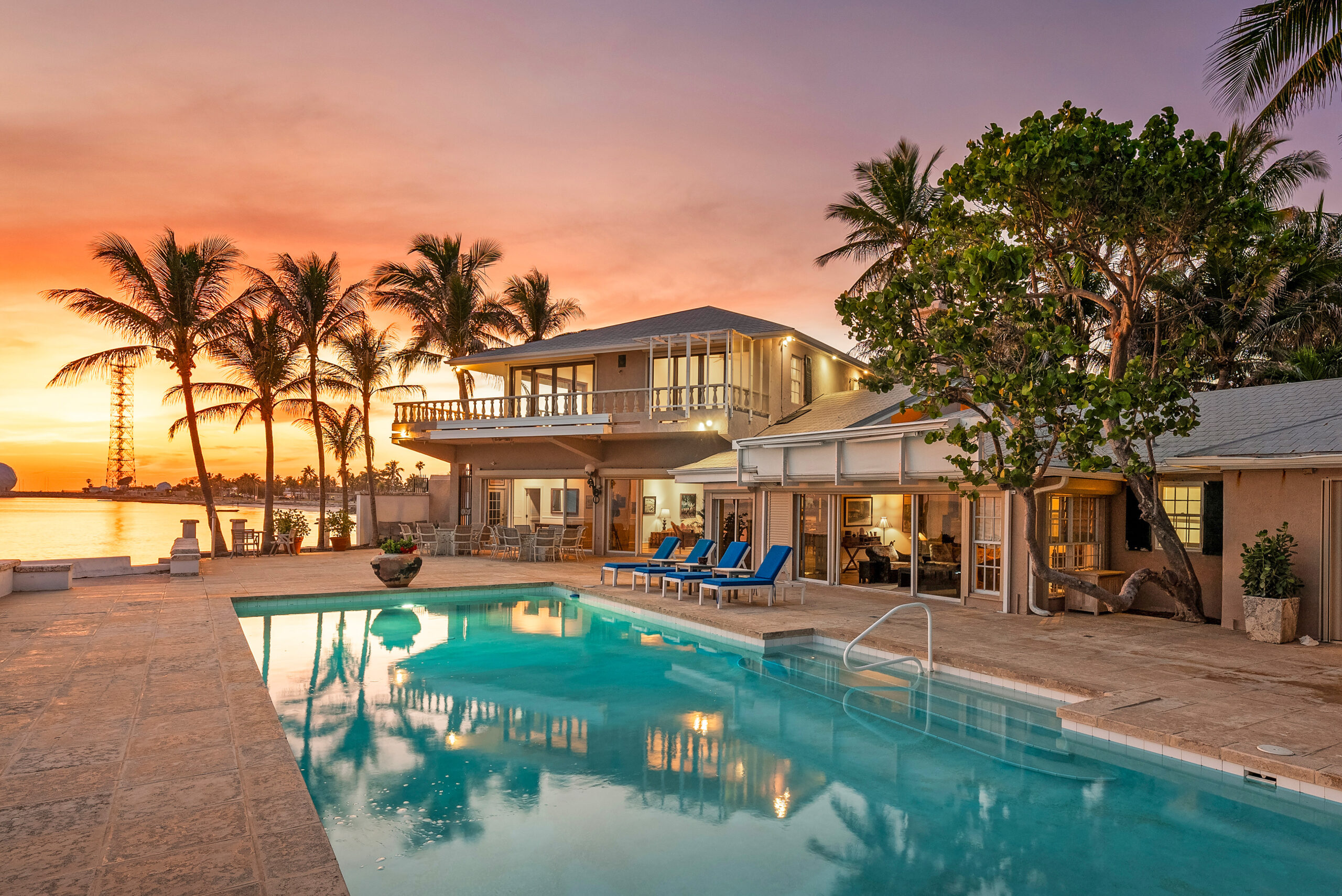
Benefits for sellers
Sellers partnering with Sotheby’s Concierge Auctions gain several advantages:
-
Speed to market and closure: The auction model is designed to compress the sales timeframe significantly, which might take many months in traditional listing, and can often be done in weeks.
-
Global exposure and reach: Listings are promoted widely across the network of Sotheby’s International Realty affiliates and the Concierge Auctions database of ultra-luxury buyers. This reach increases competition and potential for premium pricing.
-
Predictability and control: Sellers know the auction timeline, the entry terms, and often the minimum bid or reserve is defined, and the process is more structured than open negotiation. This reduces uncertainty about how long a property may sit unsold.
Benefits for buyers
Buyers also benefit from this auction platform in distinct ways:
-
Access to curated, rare properties: Many of the homes offered are one-of-a-kind or have exceptional location/features not typically available via standard listings.
-
Competitive bidding transparency: Auctions provide a fair and structured platform for bidding, often leading to transparent outcomes.
-
Opportunity to acquire premium real estate with defined terms: Buyers know the framework, the timeline, and process from registration to bidding to closing, which can reduce negotiation complexity.
-
Technological convenience: With online bidding and global reach, buyers can participate from anywhere. Sotheby’s Concierge Auctions embraces digital platforms to accommodate international bidders.
Technological benefits and process enhancements
Technology plays a crucial role in the success of Sotheby’s Concierge Auctions. Digital catalogues, remote bidding, live streaming of auctions (for major events), global marketing tools, and agent back-ends all support the process. This tech environment benefits both buyers and sellers.
For example, a seller gets access to global analytics and marketing data; a buyer may participate via smartphone or online portal rather than travel physically to the auction. The transparency of bidding, digital provenance, and record of the auction process also helps reduce risk and friction.
Additionally, technology enables agents to integrate the auction platform alongside traditional brokerage frameworks, meaning that the process complements existing real estate practices rather than replacing them. This integration is part of the company’s promise to work with local brokers rather than disintermediate them.
Real-World Property Examples from Sotheby’s Concierge Auctions

Below are five real property examples that illustrate the diversity, scale, and luxury focus of Sotheby’s Concierge Auctions listings and sales. Each demonstrates what the platform looks like in practice.
Example 1: Estate in the French Riviera
A luxury villa on the French Riviera was listed via Sotheby’s Concierge Auctions. While full details (address, price) may be subject to confidentiality, this type of listing highlights the global reach and exotic location benefit of the platform.
Benefit & Use Case: For a seller of a high-end home in a premium European destination, the auction model provides direct access to international luxury buyers who recognise the prestige of the location and brand. The auction timeline accelerates what could otherwise be a long marketing period in seasonal resort markets.
Why people need it: Owners of unique homes in resort locations often struggle with lengthy listing periods, seasonal demand cycles, and high marketing costs. Auctioning through this platform can control the timeframe and launch the property globally.
How to buy/participate: Interested buyers would register via the online auction catalogue on the platform, view the property (often via virtual tours or preview events), deposit required registration funds, and bid during the auction timeframe. Sellers likewise would coordinate with their listing agent to prepare the property for auction, set marketing conditions, and establish a timeline.
Where to buy/where to list: The listing would appear on the official website of Sotheby’s Concierge Auctions and/or through Sotheby’s International Realty portal, e.g.
Example 2: First-line Waterfront Estate – Saint-Jean-Cap-Ferrat, French Riviera
One of the upcoming auctions shown on the website is a first-line waterfront estate in Saint-Jean-Cap-Ferrat, French Riviera, closing 21 November–5 December.
Benefit & Use Case: This listing underscores the type of premium property the platform attracts: ts waterfront, prime address, luxury finishes. A buyer of such property may value immediate access to sea views, privacy, and resort-style living. A seller may value the premium pricing enabled by auction competition.
Why people need it: For ultra-high-net-worth individuals seeking exceptional real estate assets, a waterfront estate in the French Riviera is both lifestyle and investment. For sellers, using the auction model ensures global exposure to the right buyer pool.
How to buy/where to buy: Buyers should review the catalogue details, attend a preview (in-person or virtual), register and deposit, then bid during the published auction window. Sellers should work with a listing real-estate broker affiliated with Sotheby’s Concierge Auctions and ensure all legal, title, and property disclosures are prepared ahead of the auction timeline.
Example 3: Mountain Estate – Utah or Tahoe Region
According to press coverage, properties offered include mountain estates in regions such as Lake Tahoe, California/Nevada, and other resort areas. For instance, one sale in Taho –Vista achieved a strong bidding outcome.
Benefit & Use Case: For buyers seeking privacy, nature, and resort communities, such mountain estates deliver a distinct lifestyle. For sellers, auctioning in less-liquid resort markets can accelerate sales and give access to global buyers seeking “destination homes”.
Why people need it: If you own or wish to buy a high-end mountain estate, traditional listings may drag on; auctioning through this platform can capture seasonal interest and international competition.
How to buy/where to buy: Follow listings on the auction site, book viewings (or virtual), ensure you have a deposit and bidding credentials, and participate during the auction window. Sellers coordinate with agents to set the reserve, preview schedule, and marketing.
Example 4: Urban Luxury Penthouse – New York Global Sale
One of the described sales events is the “New York Global Sale” for Sotheby’s Concierge Auctions scheduled for 17 December 2025.
Benefit & Use Case: A luxury penthouse in a major global city offers high accessibility, strong infrastructure, and status. For auction participants, it offers transparent competition and direct access to elite real-estate markets.
Why people need it: Investors or residents seeking an urban luxury address can leverage auctioned listings to find opportunities that may be off the standard listing radar. Sellers benefit from high-visibility campaigns and time-bound auctions targeting international buyers.
How to buy/where to buy: Buyers register via the online auction page, examine the property’s virtual or in-person preview, and place a bid within a defined time window. Sellers align with Sotheby’s Concierge Auctions, set terms and timeline, and prepare property disclosure and marketing.
Example 5: Eco-Luxury or Unique Architecture Estate
While not referenced by specific listing in the sources, the platform emphasises “one-of-a-kind” homes, unique architecture, special locations, and bespoke design. The press release about Sotheby’s London sale cited a 200-acre estate built for Andrew Carnegie’s daughter as one of the high-profile offerings. Benefit & Use Case: Unique homes often have fewer comparable sales, making pricing and marketing more complex. Auctioning such a property gives exposure to discerning buyers who recognise architectural distinction and uniqueness.
Why people need it: Owners of architecturally significant or highly custom homes benefit from auction exposure rather than standard listing channels; buyers seeking bespoke luxury homes benefit from competitive bidding and global reach.
How to buy/where to buy: Check the catalogue of Sotheby’s Concierge Auctions for “Exceptional Global Properties” or “Important Global Properties”, register, preview, and bid. Sellers engage the platform, provide property story and materials, set a date window, and execute the payment/closing process in coordination with the auction company and listing broker.
How to Buy, Sell, and Participate in Sotheby’s Concierge Auctions
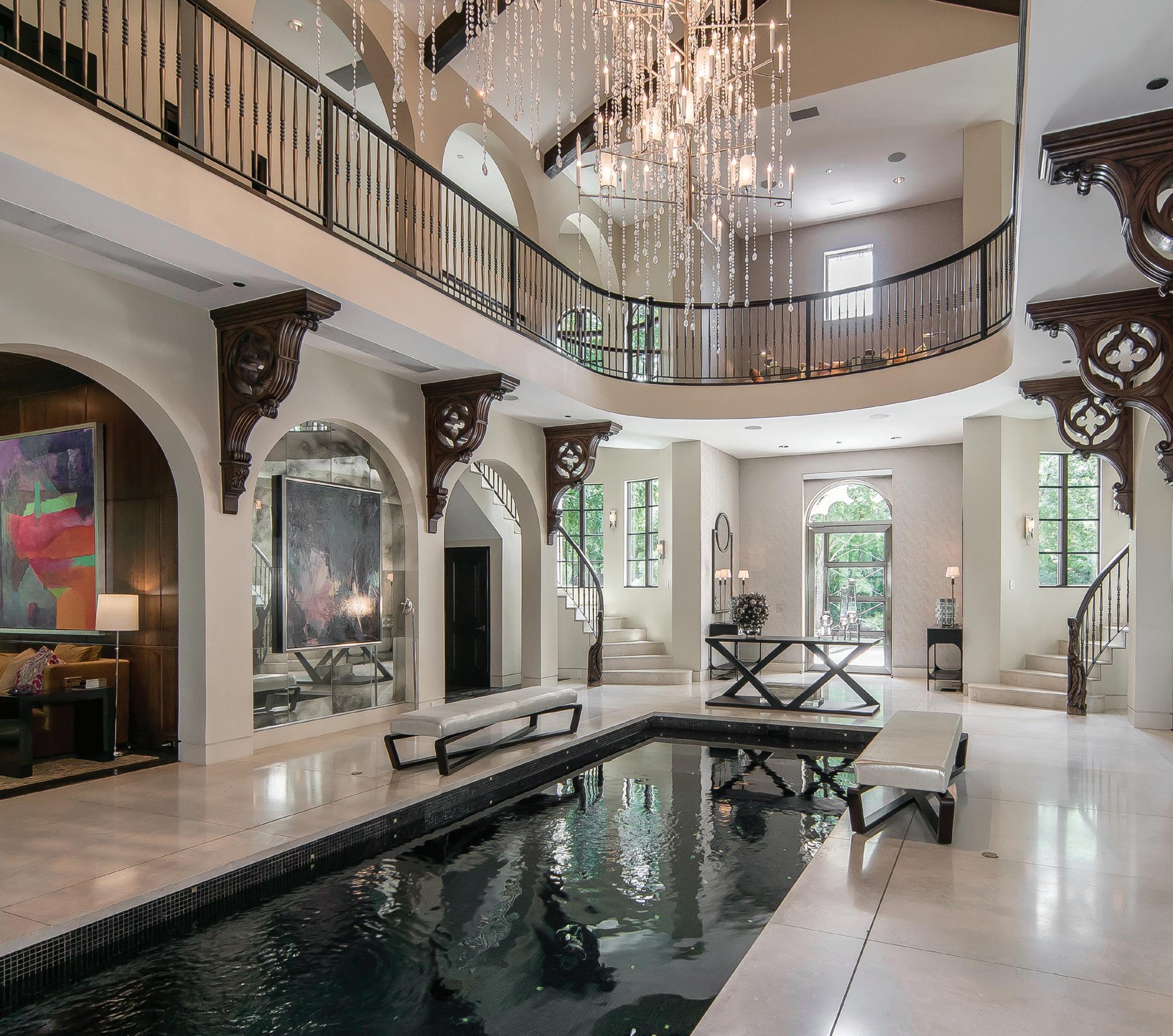
The selling process
If you are selling a luxury property via this platform, here are the key steps:
-
Property evaluation and eligibility: Because Sotheby’s Concierge Auctions accepts only select properties (often ultra-luxury, unique, globally marketable), the first step is a vetting process. According to reviews, only about 5 % of applications may be accepted.
-
Engage a local luxury real-estate agent: Although the auction model is distinct, the platform emphasises that it works with traditional real-estate agents rather than replacing them.
-
Set auction terms and timeline: Marketing window, minimum bid/reserve (if any), auction start/end dates, preview schedule, buyer registration process.
-
Global marketing and exposure: Use the Sotheby’s Concierge Auctions muscle to market internationally via digital platforms, catalogues, and high-net-worth networks.
-
Auction event and closing: Property is presented, bidding occurs (often online, sometimes live), the winning bidder is confirmed, and closing formalities begin. Sellers benefit from a compressed timeline and a committed buyer.
The buying process
As a buyer interested in an auction listing, you should proceed as follows:
-
Review upcoming auction catalogue: Visit the website (for example, Upcoming Auctions).
-
Property preview and due diligence: Attend preview events (in-person or virtual), inspect property disclosures, title, condition, legalities, and set your budget and strategy.
-
Registration and deposit: Auction houses typically require registration, a deposit or proof of funds, and acceptance of auction terms (including buyer’s premium/fee). Reviews mention a buyer fee of around 12% for U.S. residents.
-
Participate in the bidding: Via online portal or live event, place bids within the timeframe. Monitor competitor bids, adhere to limits.
-
Closing and payment: Once the auction ends and you are the winning bidder, complete purchase agreements, pay required funds (including buyer premiums), and coordinate closing with title, escrow, and other local requirements.
Where to look and how to prepare
-
Visit the official website of Sotheby’s Concierge Auctions and/or Sotheby’s Real Estate portal to view current listings and auction windows.
-
Register for alerts for upcoming “Exceptional Global Properties” or “Important Global Properties” auctions.
-
Ensure your financing or funds are ready well ahead of bidding; auctions close faster than traditional sales.
-
Work with a luxury real-estate agent familiar with auctions, especially if you are buying.
-
For sellers: prepare high-quality marketing materials (photography, video, story), ensure property disclosures are complete, align on timeline with the auction house and your listing agent.
Key considerations & tips
-
Buyer’s premium and fees: Understand additional costs besides the hammer price (for example, the buyer’s fee of 12% or more).
-
Reserve or minimum bid: Sellers and buyers should know whether there is a reserve (minimum price that must be achieved) and the consequences if it isn’t met.
-
Legal and due diligence risks: Unique luxury homes may have complex legal/title issues, zoning, environmental risks, or foreign ownership regulations (for international buyers).
-
Timing and exposure: Auction outcomes hinge on marketing reach and competitive bidding; underexposed listings might underperform.
-
Liquidity and comparables: Luxury homes often have fewer direct comparables; the auction environment helps overcome that by bringing bidders together, but buyers should still evaluate long-term resale potential.
-
Global buyers and currency/ownership issues: If purchasing internationally, consider currency risk, foreign buyer taxes, legal frameworks, and property management if you are remote.
Summary
Participating in Sotheby’s Concierge Auctions gives both buyers and sellers of top-tier luxury real estate a powerful platform: global exposure, accelerated timelines, and access to unique properties. Whether you are a seller looking to move quickly and reach a premium buyer pool or a buyer seeking an exceptional home in a transparent, competitive environment, understanding the auction process, the benefits, the technology, and the real-world applications is key. With proper preparation, professional representation, and understanding of the fees and terms, the auction model can deliver results not typically available through traditional real estate channels.
FAQ
Q1: What type of properties are eligible for Sotheby’s Concierge Auctions?
A1: Generally, the platform focuses on ultra-luxury properties, one-of-a-kind homes, significant waterfront or acreage estates, architecturally distinct homes, luxury penthouses, and properties with global appeal. According to reviews, only about 5 % of homes submitted may be accepted for auction.
Q2: How do buyer fees work on the auction platform?
A2: In addition to the winning bid price, buyers typically pay a buyer’s premium or fee to the auction house. For example, one review noted buyers pay around 12% (in the U.S.) on top of the Buyers need to factor this into their total cost and bid accordingly.
Q3: How do I prepare if I want to sell my luxury property via Sotheby’s Concierge Auctions?
A3: If you are a seller, you should engage a luxury real-estate agent experienced with high-end auctions, submit your property for vetting, prepare high-quality marketing materials (photos, video, story-pitch), coordinate with the auction house on timeline, set your auction terms (reserve, minimum bid, timeline), and ensure legal/title/disclosure documents are ready. The goal is to maximise global exposure and access the right buyer pool.