Today’s Green Living Tips System – The Ultimate Sustainable Lifestyle Guide for Smart Living
Today’s Green Living Tips System
Green living is no longer a trend—it is now a necessity. Rising energy costs, environmental degradation, and climate instability have made it vital for individuals to adopt smarter living habits. Today’s green living tips go beyond recycling and turning off lights. They include energy management, smart consumption, sustainable products, and long-term environmental responsibility.
The Today’s Green Living Tips System focuses on actionable strategies supported by technology and real consumer products that allow households to reduce waste, save money, and lower their carbon footprint. These approaches transform daily living into an environmentally intelligent system.
This guide introduces the most effective green living strategies, explains the benefits of green technology, recommends real-world products, and shows you how to start upgrading your lifestyle today.
What Is Today’s Green Living Tips System?
The Today’s Green Living Tips System is a complete approach to sustainable living that focuses on energy use, waste reduction, responsible consumption, and eco-technology integration.
Instead of focusing only on habits, this system integrates behavior with product choices. It encourages homeowners and renters to upgrade inefficient tools and appliances with environmentally optimized alternatives.
By combining personal routines with environmentally engineered products, green living transforms from ideology into everyday function.
Why Green Living Matters More Than Ever
Modern households consume more electricity, disposable items, and water than any generation before. This consumption leads to higher bills and environmental stress.
Today’s green living tips prioritize living smarter, not harder. Instead of limiting comfort, modern technology improves efficiency while maintaining convenience.
Sustainable products are now more accessible, affordable, and impactful. Adopting green living no longer means sacrifice—it means optimization.
Green Technology Powering Sustainable Lifestyles
Energy-Efficient Household Innovations
- Modern eco-technology allows people to cut their electricity usage without lowering the quality of life.
- Smart appliances, LED lighting, and solar technology adapt automatically to consumption patterns, reducing power demand at peak hours.
- Energy efficiency today means smarter systems rather than less usage.
Intelligent Water Conservation Solutions
- Water-saving technology now includes low-flow faucets, smart irrigation, greywater systems, and leak sensors.
- These tools optimize water delivery based on real usage rather than constant flow.
- The result is lower waste without reduced water access.
Waste Reduction and Sustainable Materials
- Green technology also focuses on reducing plastic, recycling food waste, and maximizing reuse.
- Composting systems, biodegradable products, and refill stations reduce landfill dependency dramatically.
- Small product changes create massive waste reductions.
Key Benefits of Today’s Green Living Tips
Lower Monthly Expenses
Efficiency reduces utility bills significantly.
Healthier Living Environments
Cleaner air and safer products support wellness.
Environmental Contribution
Individual impact multiplied globally matters.
Convenience
Automation eliminates guesswork.
Long-Term Savings
Green investments yield compound value.
Emotional Satisfaction
Living responsibly improves well-being.
Real-World Products for Green Living
Solar Home Energy System

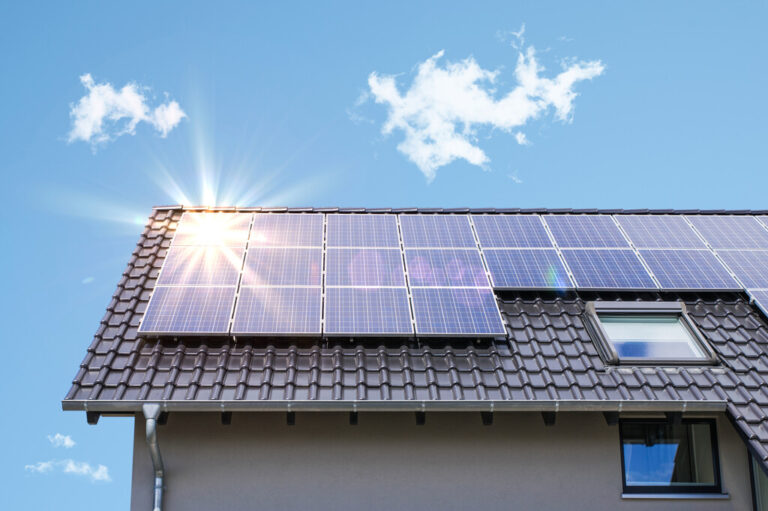
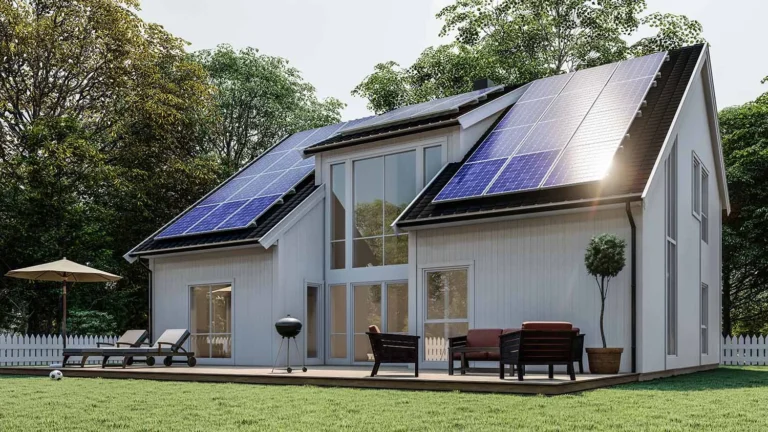
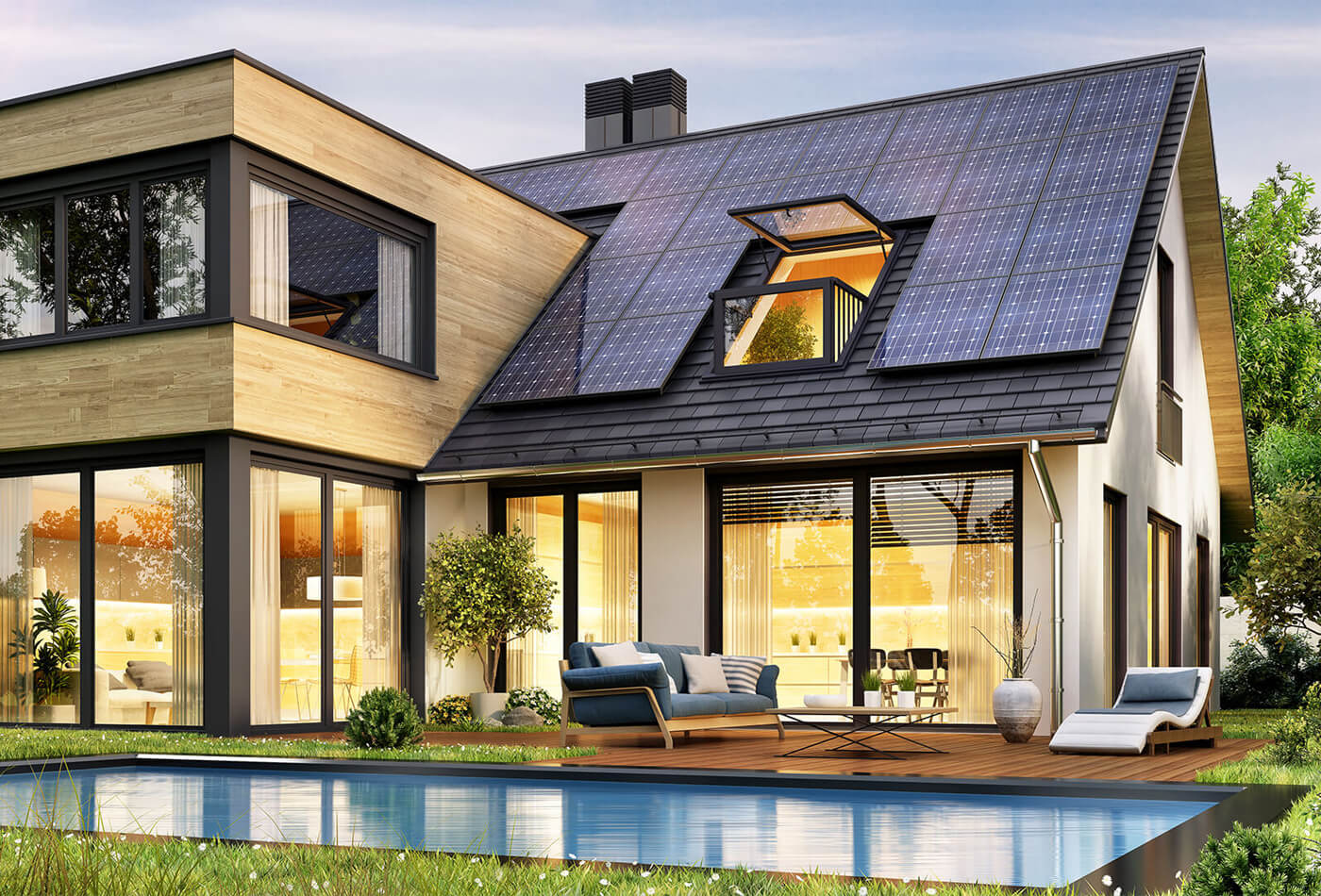
A home solar system converts sunlight into electricity, lowering reliance on power grids.
Benefit: Reduces energy costs.
Use case: Homes with high electricity bills.
Problem solved: Price volatility and power outages.
Why you need it: Produces clean, renewable energy daily.
Buy option: Available through certified solar installation services and residential renewable energy suppliers.
Smart Energy Monitor

This device tracks real-time electricity use across appliances.
Benefit: Improves power management.
Use case: Households wanting accountability.
Problem solved: Wasted energy.
Why you need it: Teaches where money is being lost.
Buy option: Available at electronic appliance retailers.
Water-Saving Shower System
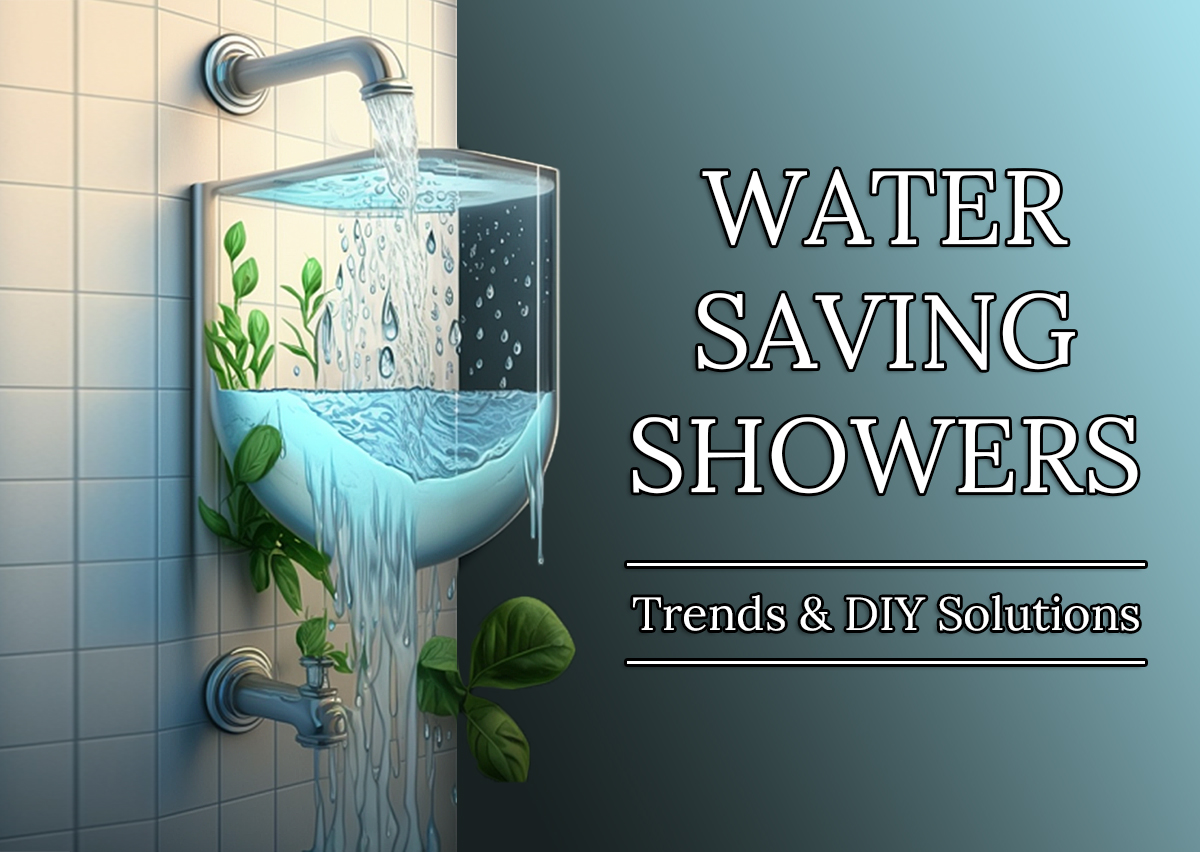
Advanced showerheads use air-mixing technology to reduce water use.
Benefit: Conserves water.
Use case: Daily hygiene without waste.
Problem solved: Excessive usage.
Why you need it: Saves money without sacrificing comfort.
Buy option: Found at eEco Home Supply stores.
Indoor Air Purifier with HEPA and Carbon Filter
These devices remove pollutants and allergens.
Benefit: Cleaner indoor air.
Use case: Homes in urban areas.
Problem solved: Air contamination.
Why you need it: Improves health.
Buy option: Available in home appliance stores.
Refillable Household Products
Refill stations offer detergent and hygiene products without single-use plastic.
Benefit: Reduces plastic waste.
Use case: Eco-conscious families.
Problem solved: Packaging overload.
Why you need it: Sustainable alternatives to disposables.
Buy option: Found at zero-waste marketplaces.
Practical Use Cases for Green Living
- Families reduce electricity bills.
- Urban residents improve air quality.
- Individuals minimize waste.
- Remote workers have lower consumption.
- Travelers replace disposable items.
How to Start Green Living Today
- Audit your energy use.
- Replace inefficient appliances.
- Switch to LED lighting.
- Adopt refill products.
- Optimize water flow.
- Install smart devices.
Where to Buy Green Living Products
- Eco-hardware stores.
- Energy suppliers.
- Renewable technology installers.
- Sustainable marketplaces.
- Certified environmental vendors.
- Avoid unverified sellers.
Frequently Asked Questions
Is green living expensive?
No. Long-term savings offset initial investments.
Can renters live green?
Yes. Portable products like monitors and filters help.
Is green living hard?
No. Smart devices automate everything.